
SB-721 Exemption Letter in Del Mar, CA
Del Mar is a small city with an outsized share of unusual multifamily buildings, and a fair number of them never trigger SB-721 in the first place. The law reaches buildings of three or more units with exterior elevated elements — balconies, decks, exterior stairs, landings, and walkways more than six feet above the ground that depend on wood-based products for structural support. A bluff-top fourplex on Ocean Front with only a concrete terrace on a podium, a Stratford Court conversion with grade-level patios facing the lagoon, a steel-and-glass build above the river valley — these may carry no qualifying wood element at all. And every condominium or HOA-governed project answers to SB-326 instead, not SB-721.
When a Del Mar building genuinely sits outside the statute, the owner still needs that conclusion in writing — for a lender refinancing on coastal collateral, an insurer pricing salt-air and bluff exposure, a buyer's due-diligence team, or the City of Del Mar. That's what an exemption letter is: a professional applicability assessment that walks the property, confirms no qualifying elements exist (or that SB-326 governs), and documents the reasoning so your records and the jurisdiction can rely on it. We assess and document — we do not waive any legal requirement. If the building turns out to be covered, the letter says so plainly and points you to the inspection you actually owe.
Call (619) 752-4399 Schedule an Inspection
What does an SB-721 exemption letter cover for a Del Mar building?
The letter is an applicability determination, not a defect inspection. It answers one narrow question: does this Del Mar building trigger SB-721 at all? To answer it responsibly we walk the property and document each of the law's own triggers:
- Dwelling-unit count. SB-721 reaches rental and apartment buildings of three or more units. We confirm the real count, and whether the project is instead a common-interest development that belongs under SB-326.
- Exterior elevated elements. Whether the building has any balcony, deck, stair, landing, or walkway sitting more than six feet above grade — or only at-grade terraces, beach-level entries, and ground patios that don't qualify.
- Wood-based structural support. Whether any elevated element actually depends on wood framing for its support — not a concrete podium terrace, a steel-framed walkway, or a masonry stair, all common on Del Mar's coastal builds.
- Weatherproofing dependence. Whether an element relies on weatherproofing to protect wood framing, the second half of what SB-721 defines.
Where every elevated element fails the test — or there are none — the building is outside SB-721, and the letter says so with the evidence behind it. Where even one element qualifies, the honest answer is that the building is covered, and an exemption letter would be the wrong document to hand anyone.
Why does Del Mar's coast make the exemption question worth checking?
Del Mar's building stock and its terrain push properties to both sides of the SB-721 line, which is exactly why assuming is risky here:
- Bluff-edge construction. Along the Ocean Front bluffs, erosion and setback rules have driven owners toward concrete podiums, caissons, and steel — non-wood assemblies that frequently sit outside what the statute defines.
- Salt-air material choices. The marine air is brutal on wood, so coastal builders here have long favored non-combustible decks and walkways. A building whose elevated elements were already built or rebuilt in non-wood material may carry no qualifying component at all.
- River-valley high water table. Near the San Dieguito River mouth and the lagoon, the high water table and damp soils favor slab-on-grade and grade-level patios over raised wood decks — nothing more than six feet up to inspect.
- Condo and HOA-titled stock. Much of the village core and the bluff-top is common-interest housing. Those projects answer to SB-326, so a Del Mar owner asking about SB-721 often needs a letter explaining the right statute applies instead.
What do we commonly determine on Del Mar exemption assessments?
Walk enough Del Mar multifamily buildings for applicability and the same handful of outcomes recur. Each gets documented with photos, measurements, and reasoning so the letter stands on its own:
- Wrong statute, not exempt. The most frequent result — the property is a condominium or HOA, so it's an SB-326 obligation. We document that rather than issue an SB-721 exemption that wouldn't survive scrutiny.
- Concrete and steel elevated elements. Bluff-edge and oceanfront builds whose terraces and walkways are concrete podiums, steel frames, or masonry stairs — outside the wood-supported trigger.
- Everything at grade. Near the lagoon and river valley, only beach-level entries and grade patios under six feet of rise — nothing elevated to reach.
- Partial coverage. One qualifying wood deck or rear stair among otherwise non-qualifying elements — in which case the building is covered and we redirect you to the inspection, not a letter.
We don't manufacture an exemption. If the property qualifies, the assessment says so and gives you a clear path to the actual SB-721 inspection instead.
How does our process work and what exemption letter do you receive?
We start with the building's basics — unit count, ownership structure, and whether it's rental or a common-interest development — then schedule a site walk around tenant and common-area access. On site, Joseph Romeo works the exterior methodically: identifying every elevated element, measuring height above grade where the six-foot trigger is in question, and reading the framing and load path to confirm whether it's the wood-supported, weatherproofing-dependent type SB-721 names. Where the call is close — a bluff-side terrace that may not clear six feet, an element that could be wood beneath a coastal-rated finish — he documents the basis rather than guessing.
Your deliverable is a signed applicability assessment and exemption letter: the building identified, the elements observed, photographs, the specific reason the property falls outside SB-721 (no qualifying elements, non-wood construction, under threshold, or governed by SB-326 instead), and a clear statement of scope. It's written so a lender, insurer, buyer, or the City of Del Mar can rely on it, and it's delivered through HomeGauge same day or next day. You keep it in your records as evidence of the determination.
One boundary we state in the letter itself: we assess and document — we do not waive a legal requirement. An exemption letter records a professional opinion that the statute doesn't apply; it isn't a release from any law, and it doesn't substitute for an inspection where one is owed. If the building is in fact covered, the letter says exactly that and points you to the next step.
Why do Del Mar owners trust Joseph Romeo on this call?
An applicability determination is only as reliable as the person reading the structure, because the whole question turns on framing, materials, and load path — and on the coast those choices are anything but standard. Your assessment is led by Joseph Romeo, an InterNACHI Certified Professional Inspector (CPI) who also holds a California CSLB General Contractor license (#1113143). That contracting background is precisely what this letter needs: he can tell wood-framed from steel or concrete on sight, judge whether an element is load-bearing and wood-supported, and document why, the way someone who has built these coastal assemblies does.
- 20+ years and more than 10,000 inspections across San Diego County's coast, bluffs, and river valleys.
- 4.9 stars across 106 Google reviews from owners, managers, and agents.
- Letters written to be defensible — specific reasoning, measurements, and photos — so a lender, insurer, or the City of Del Mar can rely on them.
- Real fluency with Del Mar multifamily stock, from bluff-edge concrete builds to village condo conversions and lagoon-adjacent grade-level courts.
You get a straight answer, fast and in plain language — covered or not, and why — with no incentive to push the building toward the conclusion that books more work.
What related inspections should Del Mar multifamily owners consider?
An exemption letter settles one question — whether SB-721 applies. Depending on what we find, Del Mar owners often need a different service next:
- SB-721 balcony inspection — if the building turns out to have qualifying wood-supported elevated elements, this is the inspection the law actually requires for apartment and rental buildings.
- SB-326 balcony inspection — if the property is a condominium or HOA, this is the statute that governs, with its own inspection cycle and board reporting.
- Thermal / infrared imaging — reads concealed moisture in walls and deck assemblies without opening them, useful on any salt-exposed Del Mar building.
- Roof inspection — the salt-stressed coverings and flashing overhead, worth checking while we're on site near the bluffs.
- Full property / multi-unit inspection — a complete read on the building and its systems when you're buying or taking over management.
If you hold several Del Mar buildings, we can assess applicability across the portfolio in one pass and keep the documentation consistent, so each property has a clear answer on file.
Del Mar SB-721 Exemption Letter FAQs
When does a Del Mar building actually qualify for an SB-721 exemption?
Is an exemption letter the same as a waiver from the law?
Does Del Mar's coastal construction affect whether I'm exempt?
My Del Mar property is a condo. Do I still need this?
What does an SB-721 exemption letter cost in Del Mar?
What if you find the building is covered after all?
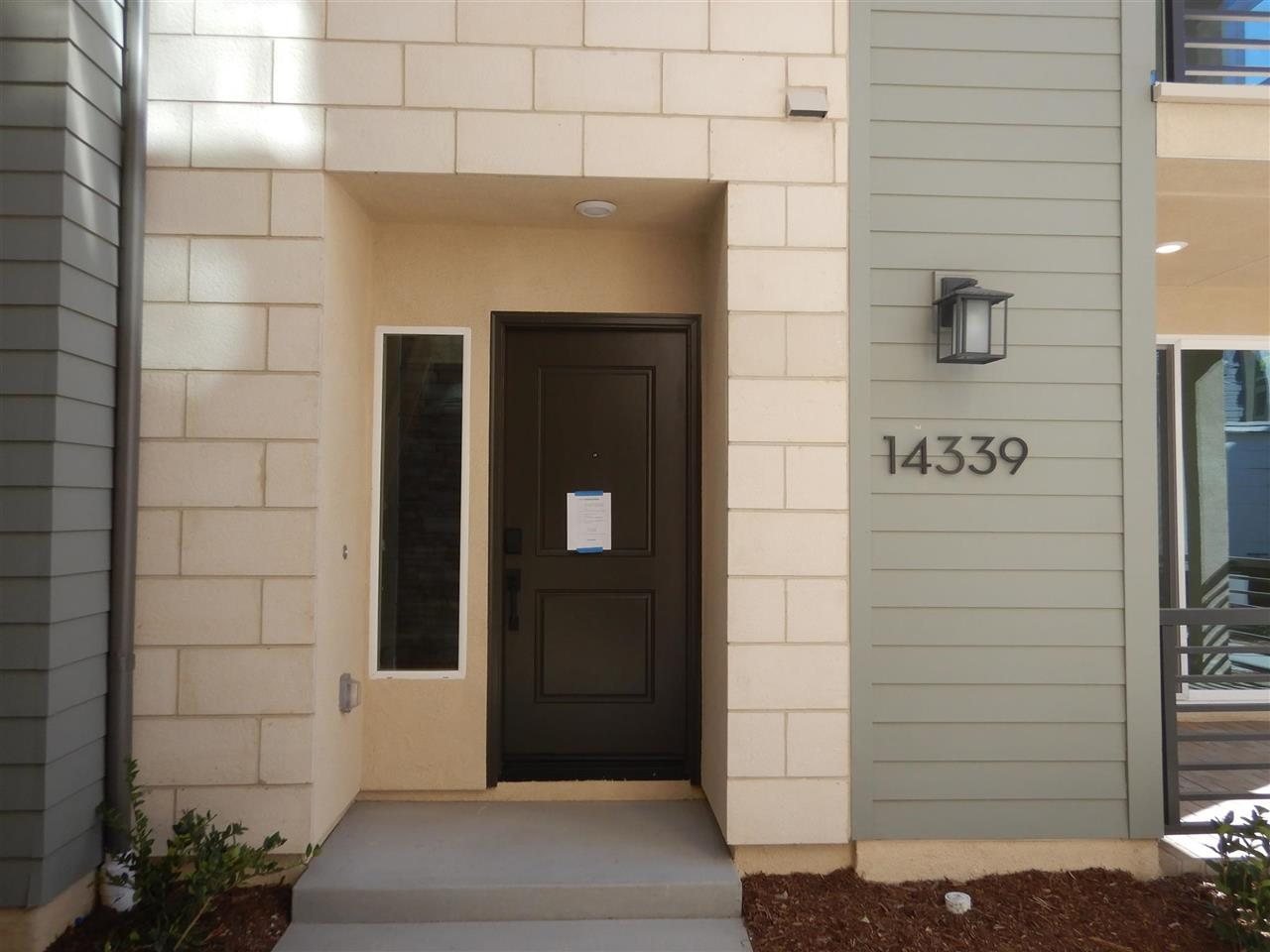
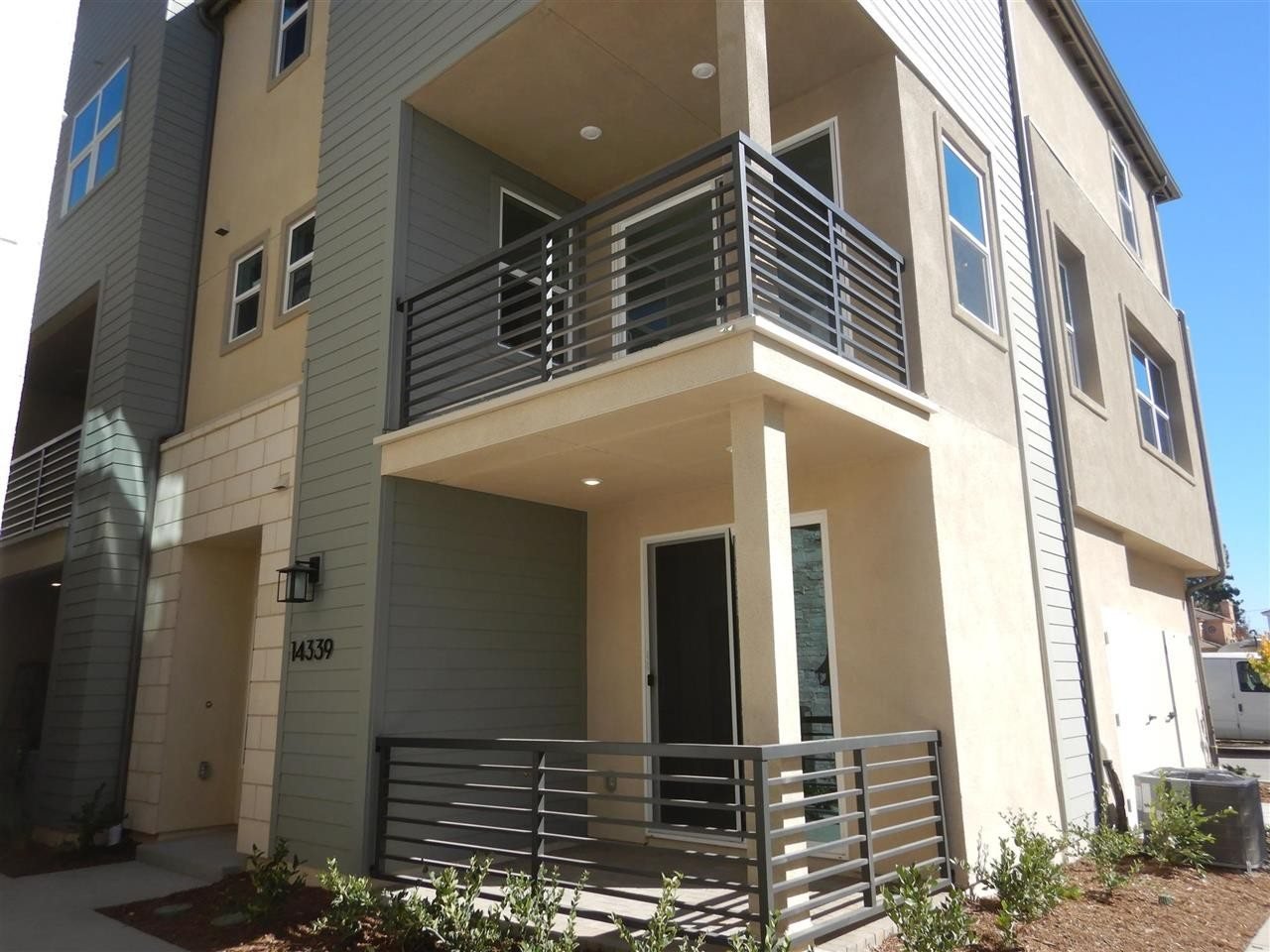
Properties we evaluate
Properties evaluated for SB 721 exemption letters across San Diego County.
More inspections in Del Mar
- Sewer scope inspection in Del Mar
- 4-point inspection in Del Mar
- Roof inspection in Del Mar
- Thermal imaging in Del Mar
- Home inspection in Del Mar
Nearby and countywide
Were You Happy With Your Inspection?
We are proud of our 4.9-star rating across 100+ Google reviews. If Joseph and the team did right by you, a quick Google review helps other San Diego County buyers and sellers find us.