
SB-721 Balcony Inspection in Del Mar, CA
SB-721 is the California law that requires owners of apartment and multifamily buildings with three or more dwelling units to have their exterior elevated elements inspected by a qualified professional. The term covers the wood-framed balconies, decks, exterior stairs, landings, and elevated walkways that carry people more than six feet above the ground, plus the waterproofing that keeps water out of the framing that holds them up. The law exists for one reason: hidden rot inside those structures has failed without warning, and a visual record of safe versus unsafe condition is meant to catch it first. After AB 2579 moved the date, the first inspection is due January 1, 2026, and it repeats every six years.
In Del Mar that obligation sits on a narrow, high-value slice of property. The rental and small multifamily stock between Camino del Mar and the beach, the bluff-edge buildings looking out over the surf, and the units down in the flats near the San Dieguito River mouth all carry wood decks and exterior stairs aimed straight into the weather. A Del Mar SB-721 inspection reads differently than the same job inland, because the salt air, the eroding bluffs, and the high water table near the river all push moisture at the framing this law is written to protect.
Call (619) 752-4399 Schedule an Inspection
What does an SB-721 balcony inspection cover on a Del Mar building?
SB-721 defines the target as exterior elevated elements that rise more than six feet above grade, support human occupancy, and depend on wood or wood-based products for their structural support. On a Del Mar multifamily building, that walks us through:
- Balconies and decks — the ocean-facing wood balconies and shared elevated decks on second- and third-story units, examined for framing condition and the waterproof coating or membrane riding over them.
- Exterior stairways and landings — the open wood stair runs and mid-flight landings that serve walk-up units off Camino del Mar and the side streets above the beach, where stringers and landing framing absorb the worst of the marine weather.
- Elevated walkways — the shared exterior corridors tying stacked units together, including the support framing underneath and the surface waterproofing on top.
- The waterproofing system — flashing, coatings, membranes, and drainage. Under SB-721 the associated weatherproofing is part of the inspection by statute, because water reaching the wood is the mechanism behind nearly every failure these elements suffer.
The assessment is visual at the outset. Where decay is indicated or the framing cannot be judged from the surface, the law allows intrusive investigation — opening a small area to read the wood directly. If something needs correcting, the structural repair design belongs to a licensed engineer or contractor; we identify condition, document it, and report.
What do Del Mar's bluffs, salt air, and river flats do to these elements?
SB-721 is a law about wood and water, and Del Mar stacks several water sources against exterior framing at once. The local conditions that shape findings here:
- Bluff-edge salt spray. Buildings perched along the coastal bluffs take airborne chloride directly off the surf. That salt corrodes the joist hangers, lag bolts, and connectors holding a balcony together — the hardware often gives out while the lumber still looks sound.
- Persistent marine layer. The fog that hangs over the village most mornings keeps deck surfaces damp long after an inland deck would have dried. Any breach in the coating sits wet against the framing instead of shedding.
- High water table by the San Dieguito River. The flats near the river mouth and the racetrack sit on damp, low-lying ground. Elevated walkways and stairs there are framed in a chronically humid micro-climate that slows drying and accelerates decay.
- Bluff erosion and movement. The slow undercutting of Del Mar's bluffs stresses the buildings above them. Framing connections and stair attachments on bluff-edge structures can shift and open gaps where wind-driven rain then drives in.
- Hard coastal UV. Between fog cycles, direct ocean sun bakes and cracks waterproof deck coatings. Once the membrane lifts, the wood underneath has no path to dry out.
What do we commonly find on Del Mar decks, stairs, and walkways?
Inspect enough multifamily elevated elements in this stretch of the coast and the same failure patterns surface. None of them means a building is condemned — SB-721 asks only whether each element is safe or unsafe, and most findings are repairable — but each gets documented honestly so the owner and the jurisdiction read from the same record:
- Corroded connectors and fasteners. Rust-eaten joist hangers, post bases, and ledger bolts — the salt-spray signature on bluff-facing Del Mar buildings, where the metal fails ahead of the visible wood.
- Dry rot at the wall connection. Soft, decayed framing where a balcony or walkway ties back to the building — the highest-consequence finding, because that ledger carries the load.
- Failed and over-coated deck membranes. Cracked, blistered, or chalked coatings that no longer shed water, often where a previous recoat sealed over an existing problem instead of correcting it.
- Ponding on river-flat walkways. Landings and elevated corridors that hold water instead of draining, common on the flatter buildings near the river where the damp ground keeps everything slow to dry.
- Failed threshold flashing. Missing or broken flashing where a unit door meets the deck, letting wind-driven coastal rain run straight into the framing below.
How do we run the inspection and what report do you file?
We schedule around your compliance timeline and around tenant access, whether you're getting ahead of the January 1, 2026 deadline or setting up the recurring six-year cycle. On a Del Mar building we work methodically through every qualifying balcony, deck, stairway, landing, and walkway, evaluating the framing condition and the waterproofing at each one and photographing what we find element by element. The law calls for a representative sample of each element type; where the surface hides the framing or we see signs of decay, we discuss targeted intrusive investigation with the owner before opening anything, so there's no surprise about access or repair of the test area.
Your deliverable is a written report in the form SB-721 calls for: each exterior elevated element identified, its condition documented with photos, and a clear determination of whether it is in a safe or unsafe condition — including whether any element poses an immediate threat that needs prompt action. It's built to satisfy the jurisdiction reviewing it and to stand as a defensible record for your six-year file. Reports come back through HomeGauge same day or next day. If an element is flagged unsafe, the repair design goes to a licensed structural engineer or contractor — we tell you plainly what we observed and refer the right specialist. We also don't perform termite/WDO work; where wood-destroying organisms are part of the picture, we coordinate a licensed pest specialist. We document observed condition; the corrective work stays with the right licensed hands, which keeps our finding independent of who profits from the fix.
Why do Del Mar owners and managers call Joseph Romeo?
Reading a wood-framed balcony for hidden decay takes someone who understands how these structures are built, attached, and weatherproofed. Your inspection is led by Joseph Romeo, an InterNACHI Certified Professional Inspector (CPI) who also holds a California CSLB General Contractor license (#1113143). That contracting background is directly relevant under SB-721 — when the report flags a corroded ledger or a coating that's failed, he reads the framing and waterproofing detail behind it the way someone who has built them does, not just that something looks off.
- 20+ years and more than 10,000 inspections across San Diego County's coast, canyons, and backcountry.
- 4.9 stars across 106 Google reviews from owners, managers, and agents.
- Clear safe/unsafe determinations with photo documentation built to hold up with the jurisdiction reviewing your file.
- Real familiarity with the local multifamily stock, from bluff-edge buildings above the beach to the rental units down in the river flats.
When an element comes back unsafe, we connect you with the right licensed engineer or contractor for the repair design, so that work comes from a specialist while our inspection stays independent. We document observed condition; we don't perform structural certifications or the repairs themselves.
What related inspections should Del Mar multifamily owners consider?
SB-721 answers a specific legal requirement for your elevated elements, but a coastal building usually has more to look at. Depending on your property, Del Mar owners often pair or follow it with:
- SB-326 balcony inspection — the parallel exterior-elevated-element law for condominium and HOA-governed buildings. If your property is a common-interest development rather than a straight rental, that's the statute that applies, and we'll point you to it instead of running the wrong inspection.
- Roof inspection — the salt-stressed coverings and flashing overhead, the system most exposed to the same bluff weather as the balconies below and often aging on the same timeline.
- Thermal/infrared imaging — reads hidden moisture behind walls and at deck transitions without opening them, a real payoff in Del Mar's fog belt and near the damp river flats.
- Full property / multi-unit inspection — a broader read on structure, electrical, plumbing, and HVAC when you're acquiring or taking over an older Del Mar multifamily property.
If you hold more than one building in town, we can schedule the SB-721 inspections together and keep the reporting consistent across the portfolio, so your six-year cycle stays organized in one place. We recommend what fits your building and ownership structure rather than push a fixed bundle.
Del Mar SB-721 Balcony Inspection FAQs
Does my Del Mar building need an SB-721 inspection?
When is the SB-721 deadline and how often does it repeat?
Will you open up my balconies, or is it visual only?
Why are bluff-side Del Mar balconies higher risk?
What does an SB-721 inspection cost in Del Mar?
Do you repair the balconies you flag as unsafe?
Properties we inspect
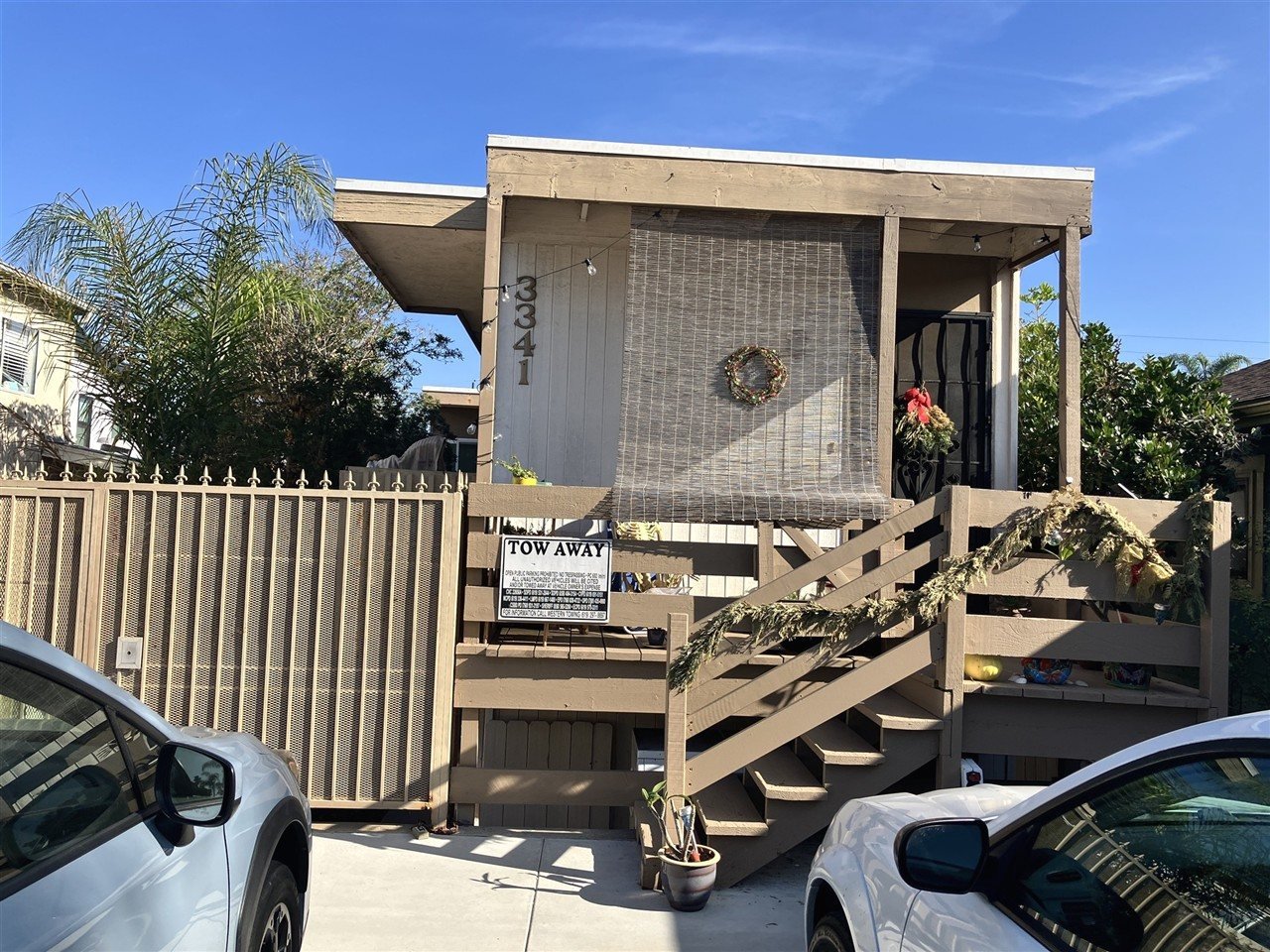
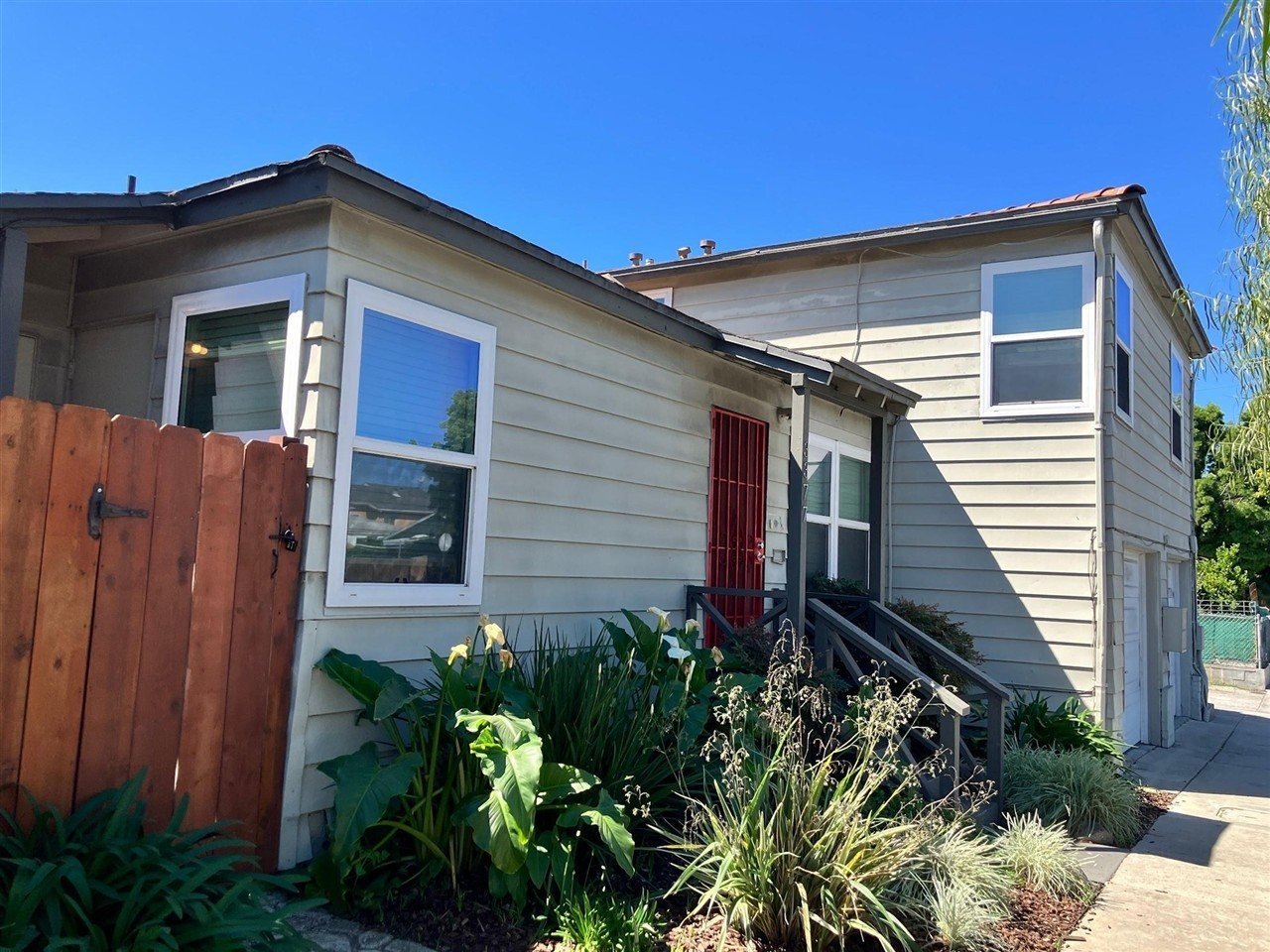
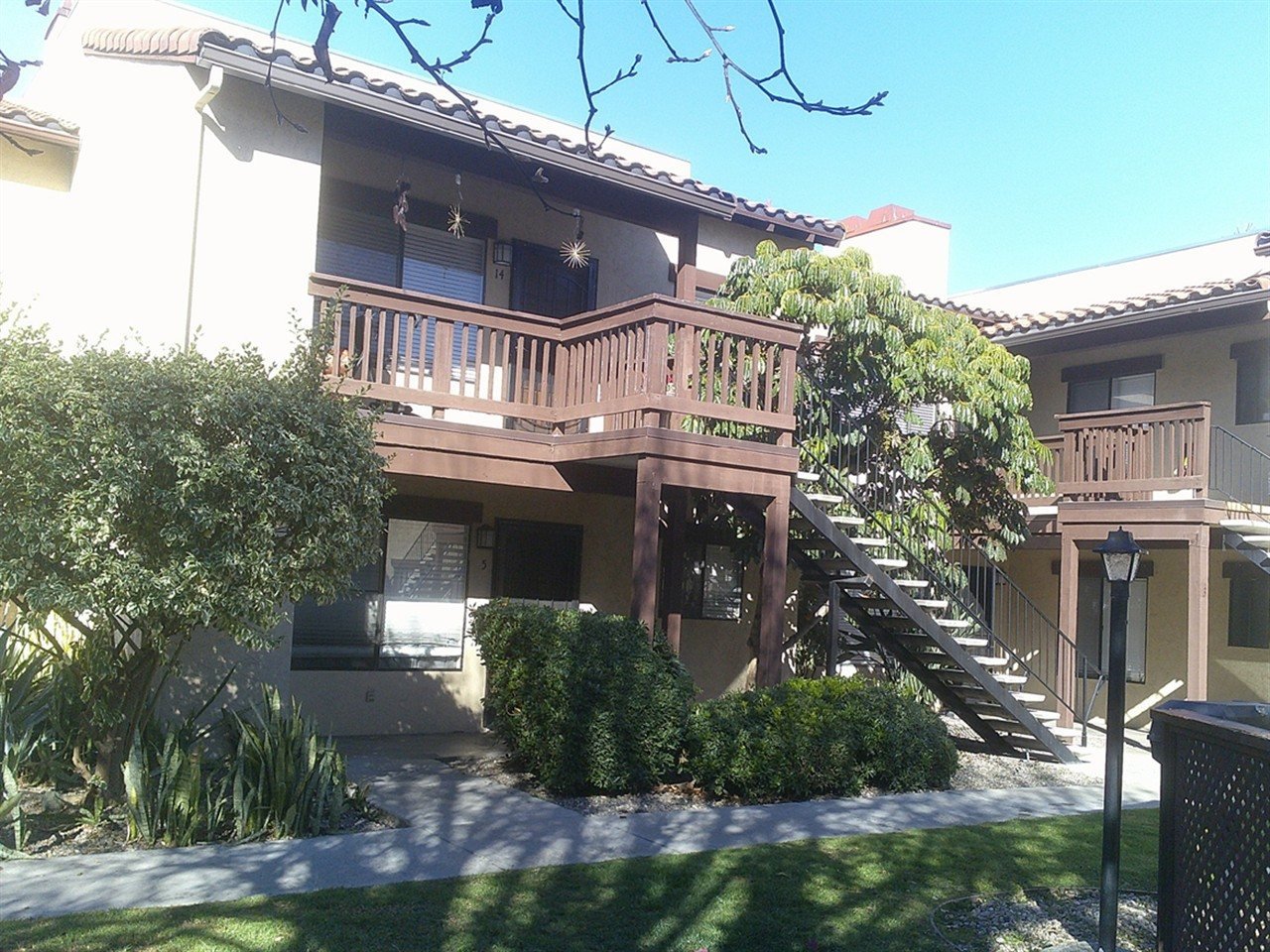
Multi-unit properties documented for SB 721 balcony compliance across San Diego County.
More inspections in Del Mar
- Seller inspection in Del Mar
- Warranty inspection in Del Mar
- Commercial roof cleaning in Del Mar
- Commercial inspection in Del Mar
- Home inspection in Del Mar
Nearby and countywide
Were You Happy With Your Inspection?
We are proud of our 4.9-star rating across 100+ Google reviews. If Joseph and the team did right by you, a quick Google review helps other San Diego County buyers and sellers find us.