
4-Point Inspection in Del Mar, CA
When a Del Mar homeowner is told the carrier needs a 4-point before they'll bind, it usually comes down to one thing: the house has aged past the point where an underwriter will take the major systems on faith. A 4-point isn't a full home inspection and we never frame it as one. It's a narrow, insurer-formatted read on the four systems that drive the biggest claims — roof, electrical, plumbing, and HVAC — recording how old each one is, what it's made of, and what shape it's in. That's the document a carrier wants in front of them before they'll write or renew coverage on an older home.
In Del Mar those older homes are everywhere the price tags would never suggest: the cottages and remodeled bungalows of Olde Del Mar west of the 5, the beach-colony houses sitting close to the sand, the mid-century builds up in Del Mar Heights, and the homes ringing the river valley and the fairgrounds. A lot of that stock crossed the 25-to-40-year line long ago. Stack the age on top of California's hardening, wildfire-pressured insurance market — where carriers are re-rating coastal risk and non-renewing policies countywide — and the 4-point has shifted from a rare ask to a routine one at purchase, at renewal, and whenever a Del Mar owner has to go shopping for a new policy.
Call (619) 752-4399 Schedule an Inspection
Which four systems do we document on a Del Mar home?
A 4-point holds to four systems and nothing else, but it reads each one the way an underwriter expects to see it. On a Del Mar property every point carries a coastal twist:
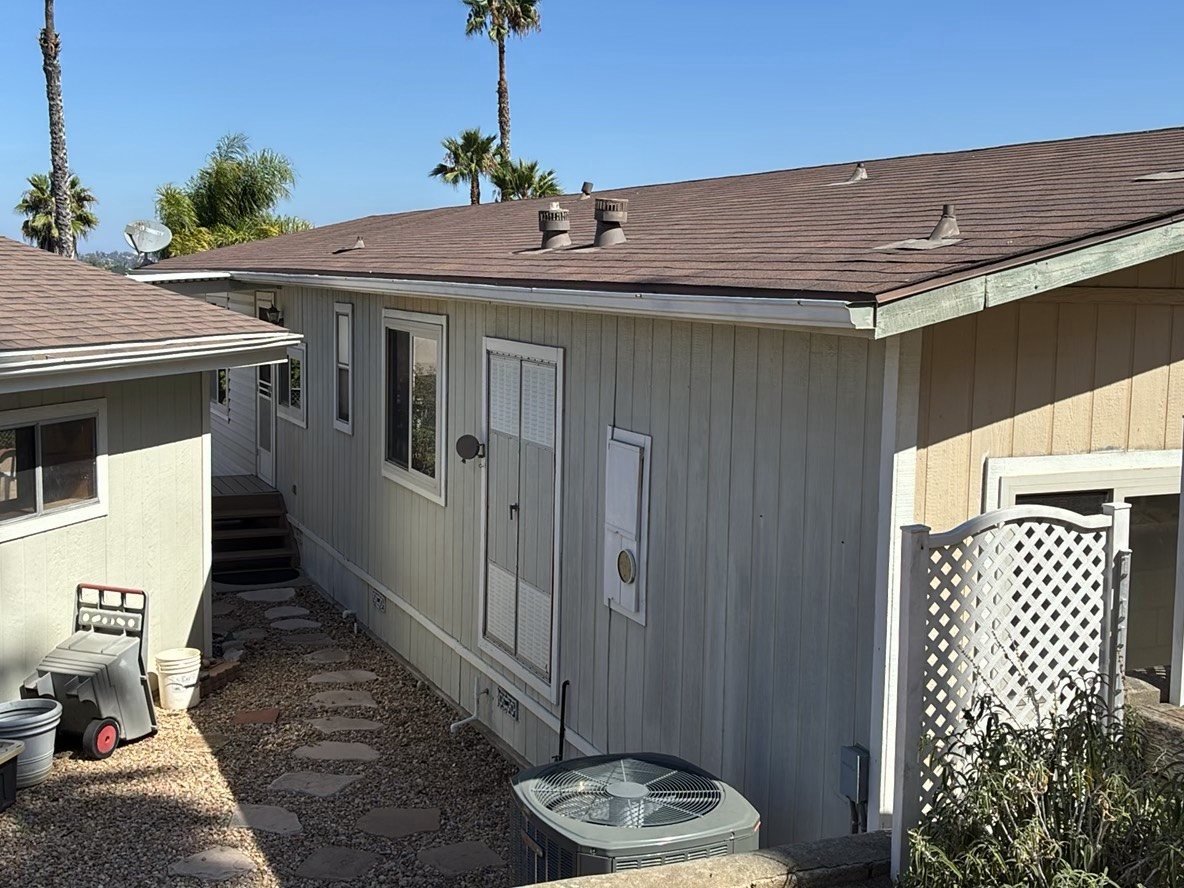
- Roof — we record the covering (tile on the larger Heights and bluff-top builds, asphalt composition, or the flat torch-down and built-up roofs common on contemporary Del Mar architecture), its age, and the service life it has left. Near the ocean, flashing and fasteners corrode early, so a roof's calendar age rarely tells the whole story this close to the water.
- Electrical — panel manufacturer and amperage, the branch-wiring type, and any plainly unsafe condition. We single out the panels carriers refuse on sight — Federal Pacific, Zinsco, Sylvania — and the knob-and-tube or aluminum wiring hiding in the pre-1975 cottages.
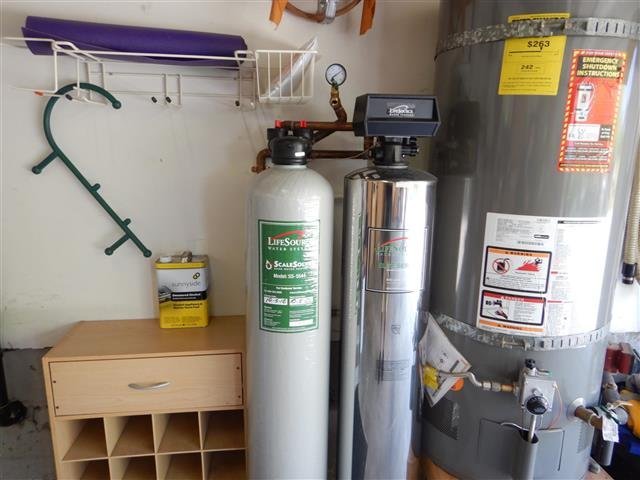
- Plumbing — supply-line material (copper, the polybutylene that surfaced in late-'70s through early-'90s remodels, or tired galvanized), drain material including the cast iron under older Olde Del Mar homes, and the water heater's age and condition.
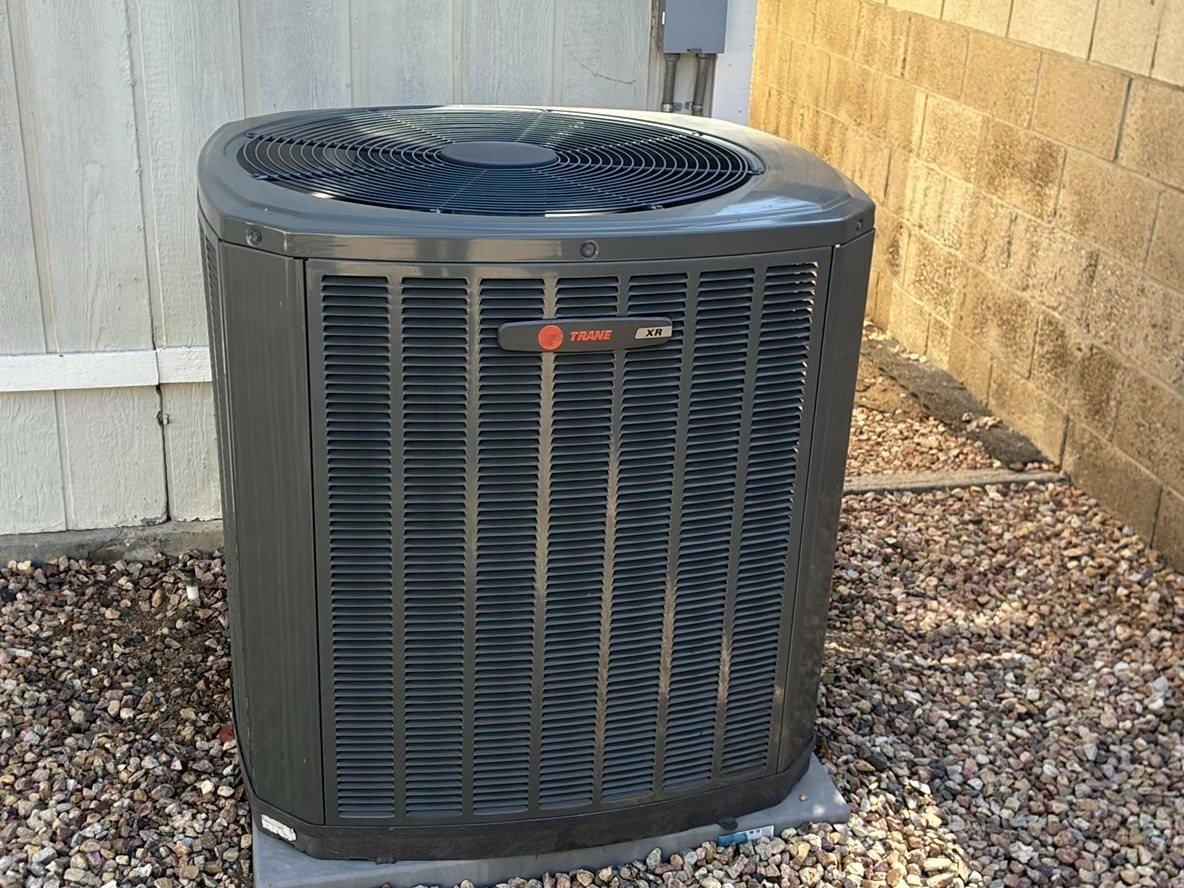
- HVAC — heating and cooling type, age, and whether it runs at the time we're there. Plenty of beach-close Del Mar homes were built heat-only or carry a long-serving split system the salt air has been working on.
For each, we log what it is and its condition — facts the carrier acts on, not a pass-or-fail stamp. Where a system is buried or unreachable, we say so outright.
What do Del Mar's coast and terrain do to these systems?
Del Mar puts homes in front of an underwriter for reasons that are specific to this stretch of coast — the age of the housing is only half of it. The setting itself ages the four systems hard:
- Bluff and beach-colony exposure. Homes perched on the eroding bluffs or sitting close to the sand take the full marine assault. Salt drives corrosion through roof flashing, condenser coils, water-heater jackets, and exposed copper faster than anything inland sees.
- The river valley and a high water table. Properties down toward the San Dieguito River mouth and the lagoon sit over a high water table. Persistent ground moisture is rough on slab plumbing, drain lines, and the lower reaches of an electrical system — exactly the corrosion and leak history a 4-point is built to surface.
- Pre-1975 cottages in Olde Del Mar. The older village stock west of the 5 predates the wiring and plumbing standards carriers now scrutinize, which is precisely why those homes get flagged at renewal or sale.
- Flat and low-slope roofs. Much of Del Mar's contemporary and mid-century design runs flat or low-slope roofing, which underwriters watch closely because it ponds and ages differently than a pitched roof — and the coastal damp doesn't help.
- A tightening California market. With carriers retrenching over statewide wildfire exposure and re-pricing coastal risk, even a well-kept Del Mar home is now asked to prove these four systems are sound before a policy is written.
Which findings recur on Del Mar 4-point inspections?
Inspect enough older homes between the bluffs, the village, and the Heights and the same underwriting flags keep turning up. None of them automatically kills a policy, but each one has to be documented honestly so you and the carrier are reading from the same page:
- The blacklisted panels. Federal Pacific, Zinsco, and Sylvania panels show up regularly in 1960s and '70s Del Mar homes and are the single most common reason a 4-point stalls a policy — carriers usually want them gone.
- Knob-and-tube and aluminum branch wiring. Common in the pre-1975 village cottages that were never fully rewired, and both raise an underwriter's eyebrow.
- Polybutylene and galvanized supply. Polybutylene from late-'70s and '80s plumbing and corroded galvanized lines recur on the plumbing point, often worse where the high water table keeps things damp.
- Aged water heaters and HVAC. Equipment past its service life, frequently with salt-accelerated corrosion on bluff-top and beach-close lots, that a carrier reads as a claim waiting to happen.
- Roofs near the end. Composition roofs with little life left and flat built-up roofs with failing seams or corroded flashing — routine where the marine air has been at them for years.
How do we run it and what does your report show?
We book around your carrier's clock — a renewal date, a binder needed to close escrow, or a non-renewal you're racing to replace — and coordinate access with the owner or agent so the panel, water heater, and attic or equipment are reachable before we arrive. On site, Joseph Romeo works the four systems in order: the panel cover comes off to confirm make and wiring, supply and drain materials get identified, the water heater and HVAC ages are read off the data plates, and the roof is assessed for type, age, and remaining life. You're welcome to walk it with him — seeing a Zinsco panel or a corroded galvanized line in person lands harder than a line on a form.
What you receive is a HomeGauge report built for insurance use — each system's age and material spelled out, condition stated plainly, and the underwriting-sensitive items (the panel make, the supply material, the roof's remaining life) called out so there's no back-and-forth. Reports come back same day or next day, which matters when a binder or renewal is on a deadline. A 4-point is narrower than a full inspection on purpose: it speaks to the four systems and doesn't pretend to cover the rest of the house. If you're buying a Del Mar home, we'll tell you straight when a full inspection is the right tool and the 4-point is just the carrier's checkbox.
Why do Del Mar owners and agents call Joseph Romeo?
Reading these four systems for an underwriter takes someone who knows how a coastal home is built, wired, and re-plumbed across decades of remodels. Your inspection is led by Joseph Romeo, an InterNACHI Certified Professional Inspector (CPI) who also carries a California CSLB General Contractor license (#1113143). That contracting side earns its keep on a 4-point — when the report flags a Federal Pacific panel or polybutylene supply, he can tell you what the carrier will likely want and what the correction realistically involves, not just that a problem exists.
- 20+ years and more than 10,000 inspections across San Diego County's coast, bluffs, and backcountry.
- 4.9 stars across 106 Google reviews from Del Mar buyers, sellers, and agents.
- Straight reporting that holds up with an underwriter — accurate system ages, clear photos, no padding.
- Real familiarity with the local stock, from Olde Del Mar cottages and beach-colony houses to the bluff-top and river-valley homes.
When the report turns up something a carrier wants corrected, we point you to the right licensed trade for the panel swap, re-pipe, or roof work, so that part comes from a specialist while our report stays independent. We document condition; we don't bid or perform repairs.
Which inspections are worth pairing in Del Mar?
A 4-point is purpose-built for insurance, so on a purchase it's usually run alongside a broader look at the property. Del Mar buyers and owners commonly combine it with one or more of these:
- Full home inspection — the InterNACHI-standard read on structure, roof, electrical, plumbing, and HVAC that the 4-point's narrow scope was never meant to replace when you're buying.
- Roof inspection — a closer look at coverings and the salt-stressed flashing that fails first near the bluffs, useful when the 4-point flags remaining roof life.
- Sewer scope — a camera run down the buried lateral, the costly surprise the 4-point doesn't touch on older village homes with mature trees over the line and a high water table around it.
- Thermal/infrared imaging — reads hidden moisture behind walls in Del Mar's fog belt and over the high-water-table lots, beyond what a visual 4-point covers.
If a carrier wants a 4-point on an older Del Mar home you're buying, the full home inspection is the pairing we suggest most — the 4-point satisfies the underwriter, but was never built to tell you everything about the house. We recommend what fits your situation and coordinate any specialist the findings call for.
Del Mar 4-Point Inspection FAQs
Why is my insurer asking for a 4-point on my Del Mar home?
Is a 4-point inspection the same as a full home inspection?
Does Del Mar's coast or high water table affect the inspection?
What gets a policy flagged on older Del Mar homes?
How fast can I get the report for my insurance deadline?
Do you fix what the 4-point flags?
Roof, electrical, plumbing and HVAC
Documentation from recent 4-point inspections across San Diego County.
More inspections in Del Mar
- Roof inspection in Del Mar
- Thermal imaging in Del Mar
- Foundation slab survey in Del Mar
- SB 721 balcony inspection in Del Mar
- Home inspection in Del Mar
Nearby and countywide
Were You Happy With Your Inspection?
We are proud of our 4.9-star rating across 100+ Google reviews. If Joseph and the team did right by you, a quick Google review helps other San Diego County buyers and sellers find us.