
Sewer Scope Inspection in Rancho Bernardo, CA
Rancho Bernardo isn't one housing era, it's three or four stacked on the same hillsides. The original village along Avenida del Diablo and Bernardo Center Drive dates to the 1960s, the big planned neighborhoods — Bernardo Heights, Westwood, Oaks North, Seven Oaks, Eastview — filled in through the 70s, 80s, and 90s, and the whole community is carved into graded slopes that move with the seasons. The one thing every one of those homes shares is a sewer lateral buried under the yard, dropping downhill toward the main, that nobody looks at during a normal sale. On a 60s RB home that line may still be original clay or cast iron; on a 90s hillside tract it's likely ABS or PVC laid over cut-and-fill grading that has been settling ever since.
I'm Joseph Romeo, and a sewer scope is the test that replaces a guess with footage you can actually watch. I push a waterproof, self-leveling camera into the main lateral from a cleanout, run it toward the city main, and record the entire trip — pipe material, slope, joints, and anything sitting in the line. The house itself is covered over on the Rancho Bernardo home inspection hub; this page is strictly about the buried run: what the camera reaches under an RB lot, why this community's mix of pipe ages and hillside grading puts a lateral at risk, and what the footage keeps showing.
Call (619) 752-4399 Schedule an Inspection
What does an RB sewer scope actually inspect?
A sewer scope is a recorded video inspection of the home's main sewer lateral — the underground drain line carrying everything from the house out to the city main. In Rancho Bernardo that line runs downhill across a graded lot, often a long way, and there's no honest way to judge it short of sending a camera down it. Working from a cleanout or other access point, I feed the camera the full length of the run and document, on video:
- Pipe material — vitrified clay, cast iron, Orangeburg, or ABS/PVC. On RB this is rarely uniform: a 60s village home may run original clay, while a 90s tract runs plastic, and remodels splice the two together
- Root intrusion — feeder roots and full masses pushing through joints, common under the eucalyptus, pepper, and mature street plantings that line the older RB neighborhoods
- Bellies and sags — low spots where hillside fill has settled and pulled the line out of pitch, so flow no longer carries downhill the way the grade intended
- Offsets, cracks, and separations — joints shifted or fractured by slope movement and expansive soil
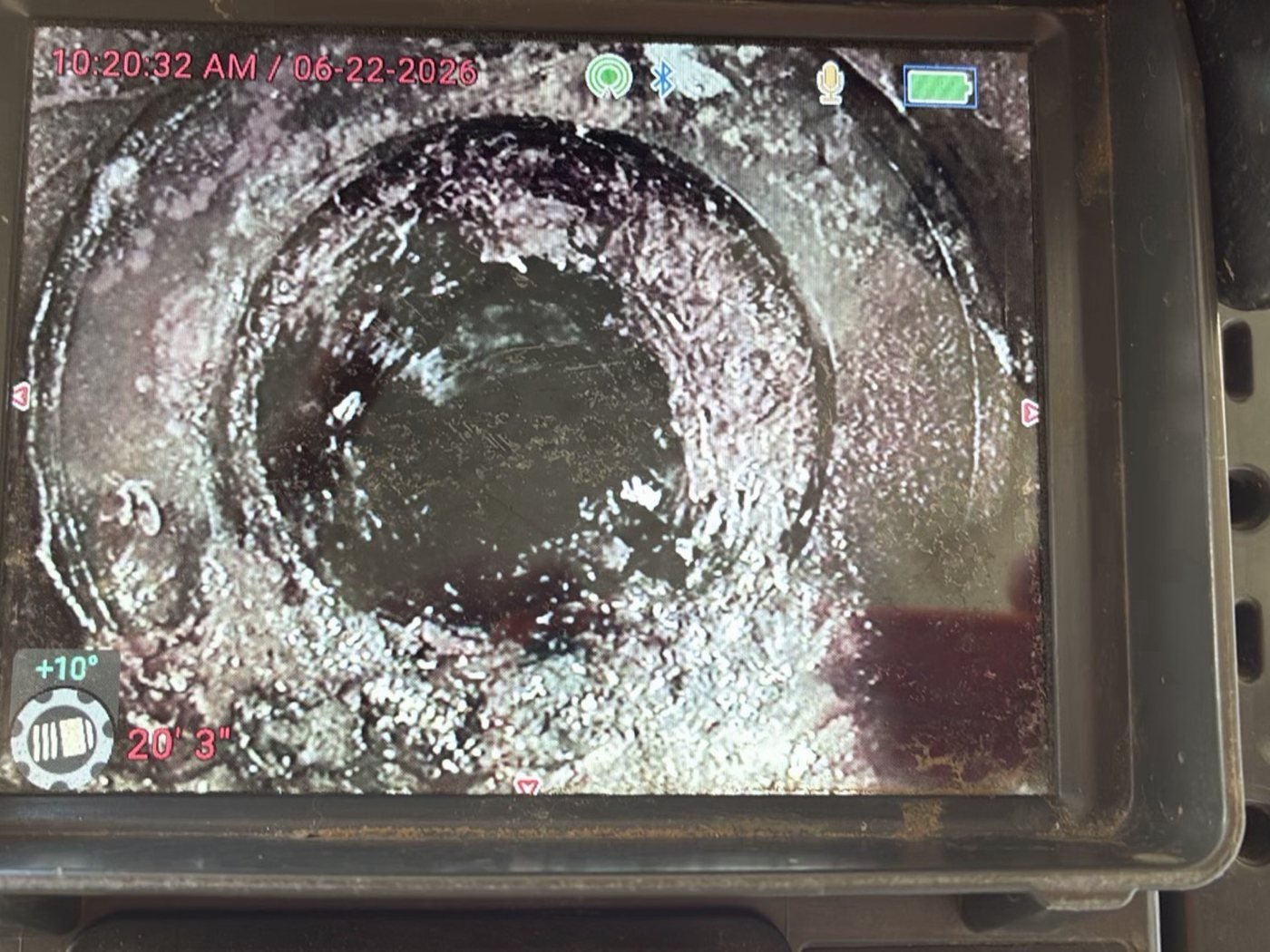
- Corrosion and scale — the interior channeling and flaking that hollows out aging cast iron from the inside
- Debris, blockages, and prior repairs — grease, construction leftovers, foreign objects, and patch jobs from earlier work
You get the recorded video plus my written findings. I don't excavate, hydro-jet, or make the repair — I document what the camera sees and, when the line needs work, hand you the footage and refer a licensed plumber who can act on exactly that.
How do Rancho Bernardo's slopes and eras affect a lateral?
RB's hazards to a buried line come from two directions at once: how old the pipe is, and the graded hillside it was laid into. Both matter, and they vary block to block:
- Cut-and-fill hillside grading. Almost every RB neighborhood was benched into a slope. A lateral crossing the boundary between native cut and engineered fill sits on two soils that consolidate at different rates — over decades that differential settlement is what tips a line into a belly or shears a joint into an offset.
- Expansive soil that breathes. The inland clay under Rancho Bernardo swells in winter rain and shrinks through the dry months. That seasonal movement flexes a buried pipe season after season, prying clay joints apart and stressing older couplings — the rigid first-generation lines feel it worst.
- Original 1960s village pipe. Homes in the early RB core off Avenida del Diablo and Bernardo Center Drive can still run their first clay or cast-iron lateral. Clay cracks and admits roots; cast iron corrodes and scales shut. Sixty years is well past easy street for either.
- Mature trees over older streets. The eucalyptus, pine, and pepper that shade Westwood, Oaks North, and the original tracts have had decades to send roots toward any leaking joint — the single find I make most on RB's older blocks.
- Wildland-urban interface edges. RB's outer neighborhoods back to open canyon and brush. On those WUI-edge lots the lateral often runs a long downhill stretch through landscaped slope before it reaches the main, more pipe and more joints exposed to root and soil movement.
What does the camera keep finding in Rancho Bernardo?
Run enough cameras through RB laterals and the findings sort cleanly by neighborhood age and grading. None of these automatically sinks a deal — the point is to put a real number on it before you waive a contingency:
- Bellies on graded fill — settled low spots that hold standing water, the headline find on the hillside tracts where engineered fill has consolidated under the line for thirty-plus years
- Root intrusion at the joints — from a few feeder roots to a choking mass, traced to the mature trees over the older RB streets
- Cracked and offset clay — original village pipe fractured or shifted out of line by expansive-soil movement
- Corroded, scaling cast iron — interior channeling that narrows a 60s line and eventually fails
- Offset joints from slope creep — sections nudged apart where cut meets fill, catching paper and debris at the lip
- Bad transitions and prior patches — spots where a remodel tied new ABS to old clay without proper fittings, a snag point for solids and roots
- Missing cleanouts on older homes — early RB houses that never had an accessible cleanout, which I flag because it complicates both this inspection and any future service
The report separates a sound, well-flowing line with minor roots to watch from a bellied or collapsing run that needs real work, so your numbers track what actually drives cost — not the home's age on paper.
How does the scope run and what's in the report?
It starts with a call to (619) 752-4399 or an email with the Rancho Bernardo address and the home's rough age, so I can locate the cleanout and plan the downhill run before I arrive. The scope goes best through an existing exterior cleanout; on an older RB home that never had one, I'll lay out the access options — a pulled toilet or a roof vent — before the visit so nothing gets deferred. Most scopes ride along with the home inspection, so you get one trip and one report package.
On site I locate the access, feed the camera in, and run the lateral toward the main while it records continuously. You're welcome to watch the monitor with me. Seeing the camera nose dip and submerge in a belly, or roots spill out of a joint in real time, tells you far more than a line item — and it's the moment to sort what's urgent from what you simply keep an eye on.
You get a HomeGauge report with the recorded video and still captures, the pipe material confirmed, and every finding located along the run so a plumber can quote against it. In most cases it lands same day or next day, which matters on a tight RB contingency clock. It's a video condition assessment — I don't excavate, jet, or line the pipe, and the report says so and tells you when to bring a licensed plumber in.
Why do Rancho Bernardo buyers and agents have me run the camera?
A scope is only as good as the read on what the camera shows — telling a minor grade dip you monitor from a settled run that needs the line opened up is judgment, not just footage. I'm Joseph Romeo, an InterNACHI Certified Professional Inspector (CPI), and I also hold a California CSLB General Contractor license (#1113143). That construction background is exactly what lets me tell you whether a finding means a one-time clearing, a spot repair, or a full lateral replacement — and roughly what each path involves — so you walk into negotiations knowing the difference.
- 20+ years and more than 10,000 inspections across San Diego County, including RB's 1960s village core and its 70s-through-90s hillside tracts
- 4.9 stars across 106 Google reviews from buyers, sellers, and the agents who refer us
- Independent and conflict-free — I document the line's condition and I don't dig, jet, or bid the repair, so nothing on the video is steered toward selling you work
For the hydro-jetting, excavation, or pipe correction the camera points to, I refer a licensed plumber who can act on the exact footage — you're never handed a problem without a next step. Reach me directly at joe@sandiegohomeinspection.com or the number above.
Which related inspections pair with your RB scope?
A sewer scope answers one buried question, and on a Rancho Bernardo home a few companion inspections are worth folding into the same visit:
- Full home inspection — the whole house above the line: roof, structure, electrical, plumbing, and HVAC, usually run the same day as the scope — start at the Rancho Bernardo hub
- Foundation and slab review — valuable on the same cut-and-fill grading and expansive soil that belly the sewer line, where slope movement also shows under the house
- Thermal / infrared imaging — reveals hidden moisture from a leaking drain or supply line behind walls and under slabs
- Roof inspection — sun-beaten RB roofs age fast under the inland heat and pair naturally with a same-trip scope
- Pool and spa inspection — common on the larger RB and Oaks North lots, where the same soil movement that cracks decks is worth checking alongside the line
Send me the address and the home's age, and I'll tell you which of these genuinely apply before you spend on any of them — see all inspection services we offer or get a quote through contact.
Rancho Bernardo Sewer Scope Inspection FAQs
What does a sewer scope inspection cost in Rancho Bernardo?
Do I really need a sewer scope on a Rancho Bernardo home?
Why would a newer Rancho Bernardo lateral develop a belly?
Will the scope tell me what my RB sewer pipe is made of?
What if the Rancho Bernardo home has no sewer cleanout?
Do you clear the roots or repair the line if you find a problem?
What the camera sees
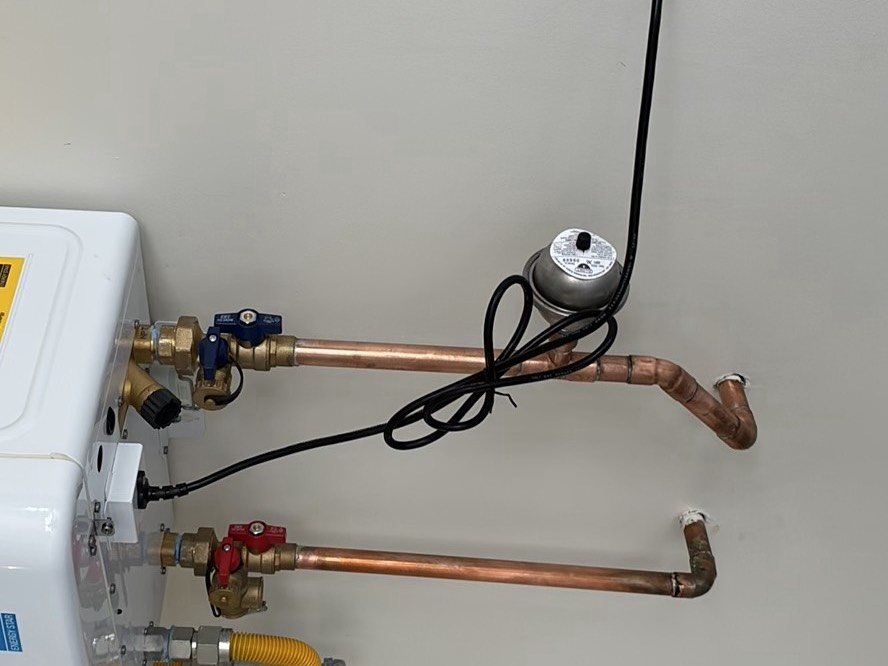
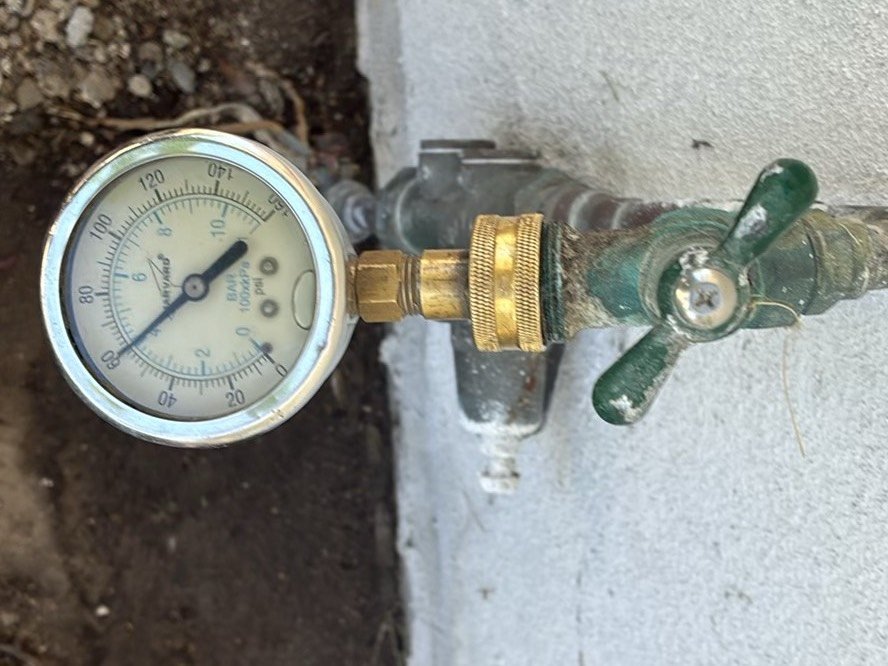
Sewer scope documentation from recent San Diego County inspections.
More inspections in Rancho Bernardo
- Warranty inspection in Rancho Bernardo
- Commercial roof cleaning in Rancho Bernardo
- Commercial inspection in Rancho Bernardo
- Pool and spa inspection in Rancho Bernardo
- Home inspection in Rancho Bernardo
Nearby and countywide
Were You Happy With Your Inspection?
We are proud of our 4.9-star rating across 100+ Google reviews. If Joseph and the team did right by you, a quick Google review helps other San Diego County buyers and sellers find us.