
Roof Inspection in Rancho Bernardo, CA
Rancho Bernardo's housing didn't go up all at once the way the newer north-county tracts did. It built out in waves from the late 1960s through the 1990s — Bernardo Heights, Westwood, the Oaks North 55-plus enclaves, the hillside cul-de-sacs above Bernardo Center Drive — and that span shows up overhead more than almost anywhere in the county. A lot of these roofs are on their second covering already, and the ones still wearing original material from a 1970s or '80s build are well past the point where age is theoretical. On the hillside lots especially, where a roof sits in full inland sun on a south- or west-facing slope, the covering and the flashing have been cooking for decades.
I'm Joseph Romeo. A roof inspection is a documented visual read of the roof covering and everything that keeps weather out: flashing, valleys, penetrations, vents, skylights, and the gutters and drainage that move runoff off the house and away from a foundation sitting on RB's expansive soil. I report condition, signs of leakage and aging, and remaining-life indicators — then I point you to a licensed roofer for repair or certification. I don't certify roofs and I don't do the work, which keeps the read independent. Below: what the inspection reaches on a Rancho Bernardo home, the concerns tied to this older planned stock, what I keep finding, how the report runs, and where it stops. The Rancho Bernardo home inspection hub covers the whole-house side.
Call (619) 752-4399 Schedule an Inspection
What does a Rancho Bernardo roof inspection reach?
I read the roof as a system, not a single look at the field. On an RB home that spans a wide range of vintages and coverings, that means evaluating everything water can exploit, with a photo behind each call:
- Roof covering — composition (asphalt) shingle on many of the original-builder and re-roofed homes, concrete or clay tile across the later subdivisions, and flat foam or modified-bitumen over patio rooms and low-slope sections. I note material, approximate age, layering, and the wear that reads differently on each: granule loss and curling on shingle, cracked or slipped tile, blistering and ponding on foam.
- Layering and re-roof history — on homes this old, a second layer over the first is common. I look for the signs, because doubled-up shingle and uncertain past work change what a roofer is walking into.
- Flashing and valleys — the metal at chimneys, sidewalls, valleys, and roof-to-wall transitions, where decades of RB's dry inland UV split sealant and work fasteners loose. On older roofs out here, flashing fails before the field does.
- Penetrations and vents — plumbing stacks, flue terminations, attic and gable vents, and the boot seals that dry-crack in this climate. On the canyon- and open-space-facing parcels I note whether vents are ember-resistant.
- Skylights — the curb, glazing, and flashing, a frequent leak point on RB's ranch-style and atrium-plan homes.
- Gutters, drainage, and the attic where accessible — whether runoff clears the foundation on RB's expansive hillside soil, and from inside, signs of past or active leakage, daylight at penetrations, and the ventilation an inland attic needs.
You get a documented read on condition and remaining-life indicators. What I won't do is issue a roof certification or quote the repair — that's a roofer's role, and I'll tell you when to bring one in.
Which roof concerns are particular to Rancho Bernardo?
RB's age range, hillside layout, and map position drive what goes wrong overhead — a different list than a 2000s tile tract or a coastal cottage:
- First- and second-generation roofs at end of life: the defining RB concern. On a 1970s or '80s home, an original composition roof is long gone or living on borrowed time, and even a 1990s re-roof is now aging out. Many homes have already been recovered once; I look for which generation you're standing on and how much is left in it.
- Hillside sun and slope exposure: RB is hillside country, and the south- and west-facing slopes on those lots take punishing inland sun. The same shingle ages years faster on the hot side of the roof than the shaded side, so remaining life often reads uneven across one house.
- Tile over original underlayment: on the tile subdivisions, the tile itself can have decades left while the felt underlayment from the original build is brittle and near the end of its window. The roof looks fine from the street while the layer actually shedding water is failing — a lift-and-relay situation a roofer should scope.
- Wildfire WUI exposure: RB sits hard against open space and canyon edges — the slopes off Bernardo Heights, the parcels backing the canyons and the I-15 corridor open land. The 2007 Witch Creek fire reached this community. Here a roof's ember defenses matter alongside its waterproofing: unscreened attic and gable vents, open eave gaps, and debris caught in valleys are all entry points I flag.
- Expansive soil and roof drainage: RB's hillside lots carry expansive soil that swells and shrinks with the seasons. Roof runoff dumped at the foundation feeds that movement. Gutters and downspouts that don't carry water clear of the house tie the roof straight to the soil and slab problems this terrain is known for.
- Dry-cracked sealant on aging flashing: decades of low humidity and hard UV split exposed sealant at flashings, pipe boots, and skylight curbs — the small failures that let water in long before an old covering finishes wearing out.
What do I keep finding on Rancho Bernardo roofs?
Because RB's homes cluster by decade and subdivision, the findings repeat — and knowing them before an offer or a listing tells you whether you're looking at maintenance or a re-roof in your near future:
- Sun-spent shingle roofs near the end — heavy granule loss, curling, and exposed mat on composition roofs that have a few years left at best, worst on the south- and west-facing hillside slopes.
- Doubled-up coverings — a second shingle layer over the original on older homes, which limits future repair options and means a tear-off rather than an overlay next time.
- Brittle underlayment under serviceable tile — tile in decent shape over original felt that's reaching the end of its life, pointing to a lift-and-relay a roofer should scope and price.
- Failed pipe boots and dried sealant — cracked neoprene boots at plumbing stacks and split sealant at flashings, two of the most common active leak sources on RB homes regardless of covering.
- Worn and rusted flashing — decades-old metal at chimneys, sidewalls, and valleys that's corroded or pulling loose, the failure point that outruns the field on these older roofs.
- Ember-vulnerable vents and packed valleys — on the canyon- and open-space-facing parcels, unscreened attic and gable vents and valley debris worth clearing.
- Attic moisture staining — old or active stains at penetrations and valleys visible from inside, often the first hard evidence of a leak the surface doesn't yet betray.
None of it is a verdict on its own. The report lays condition out plainly so you and a roofer can sort what needs action now from what to watch.
How does the inspection run and what report do you get?
It starts with a call to (619) 752-4399 or an email with the Rancho Bernardo address. I'll ask the covering type and roughly how old the home is, whether the roof has been redone since the build, and whether this is a standalone roof look or part of a fuller inspection — on a purchase it usually pairs with the whole-house visit.
On site I read the roof the way conditions allow. A walkable slope and covering, I walk; on tile or a steep, fragile, or sun-brittled covering I work from a ladder at the eaves and from inside the attic to avoid cracking tiles, crushing aged shingle, or risking a fall. I cover the covering, then flashing, valleys, penetrations, vents, and skylights, then gutters and drainage, and I get into the attic where access allows for leakage and ventilation. Every finding gets a photo.
You get the report in HomeGauge documenting the roof's condition, the specific defects, and remaining-life indicators, with photos behind every call, turned around same day or next day in most cases. Where something needs a specialist — an original roof near its end, underlayment timed out under good tile, ember-prone venting, a leak I can't trace visually — I say so plainly and point you to a licensed roofer. I report observed condition; I don't certify the roof, run a leak pressure-test, or bid the repair, so the findings stay independent of anyone selling the work. When a leak needs a pressure-test or a tile relay needs scoping, I coordinate or refer the right licensed pro.
Why do Rancho Bernardo owners and agents trust the call?
Reading an aging roof is judgment, not a checklist — telling an original covering with two years left from one with eight, a cosmetic crack from a leak in the making, or a doubled-up shingle situation that limits the next repair, is experience. I'm an InterNACHI Certified Professional Inspector (CPI) and I hold a California CSLB General Contractor license (#1113143). That construction background is what lets me tell you whether a flagged item is a spot repair, a lift-and-relay, or a full re-roof down the road — and roughly what each path involves — before you ever call a roofer.
- 20+ years and 10,000+ inspections across San Diego County, including Rancho Bernardo's full span — the 1970s and '80s hillside originals, the Oaks North enclaves, and the later tile subdivisions where first-generation roofs are aging out together.
- 4.9 stars across 106 Google reviews from buyers, sellers, and agents.
- Independent and conflict-free — I document the roof and report what's there; I don't sell roofing, relays, or certifications, so nothing in the report steers you toward work you don't need.
When the roof needs a specialist's evaluation or repair, I'll point you to the right licensed trade to act on the exact findings. I'm InterNACHI CPI and CSLB-licensed — not an ASHI or CREIA member — and I don't post flat prices; the fee depends on the property. Reach me at joe@sandiegohomeinspection.com or the number above.
Which related inspections fit Rancho Bernardo properties?
The roof is one system, and on most Rancho Bernardo visits it makes sense alongside a broader look at a home of this age. I can line these up around a single trip:
- Full home inspection — the whole-house evaluation a buyer needs on an older RB home; start at the Rancho Bernardo hub if you're purchasing, not just checking the roof.
- 4-point inspection — when an insurer wants the roof documented together with electrical, plumbing, and HVAC, common on RB homes well past the twenty-year line.
- Attic and insulation evaluation — the underside of the roof you just had inspected, where ventilation and moisture problems first surface in an inland attic.
- Thermal / infrared imaging — reveals hidden moisture behind a ceiling from a roof leak the surface doesn't yet show.
- Foundation and slab evaluation — valuable on the same expansive hillside soil that roof drainage feeds when gutters dump at the foundation.
- Drainage and grading review — ties roof runoff to where water actually goes on a sloped RB lot.
Not sure what your address needs? Send it over and I'll tell you what's worth doing — see all inspection services we offer or get a quote through contact.
Rancho Bernardo Roof Inspection FAQs
My Rancho Bernardo home is from the 1980s. Does the roof age matter that much?
Do you walk the roof or inspect from the ground in Rancho Bernardo?
Will the inspection tell me how much roof life is left?
Can you certify my Rancho Bernardo roof for a sale or insurer?
Does a roof inspection cover wildfire ember risk in Rancho Bernardo?
Why do the sunny slopes on my RB roof look worse than the shaded ones?
Roofs we document
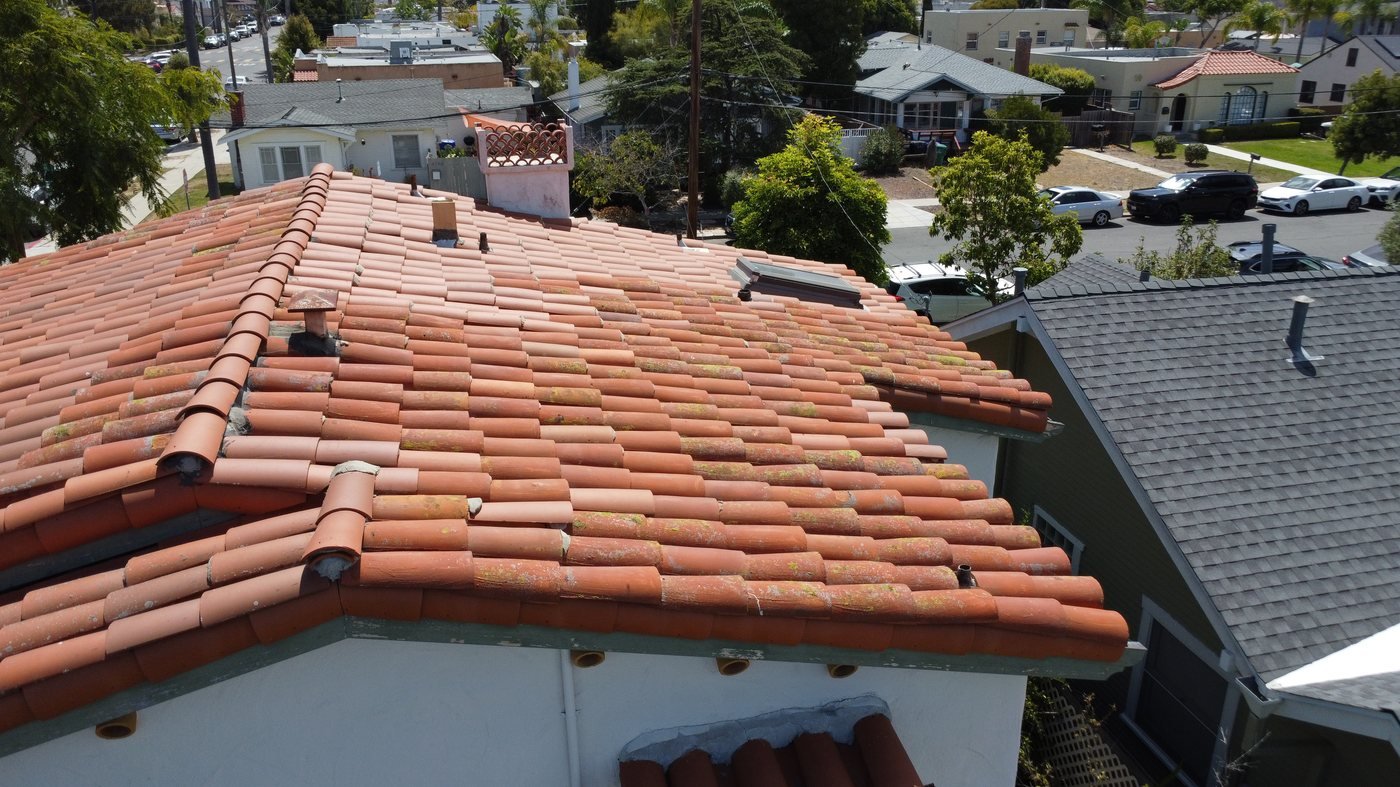
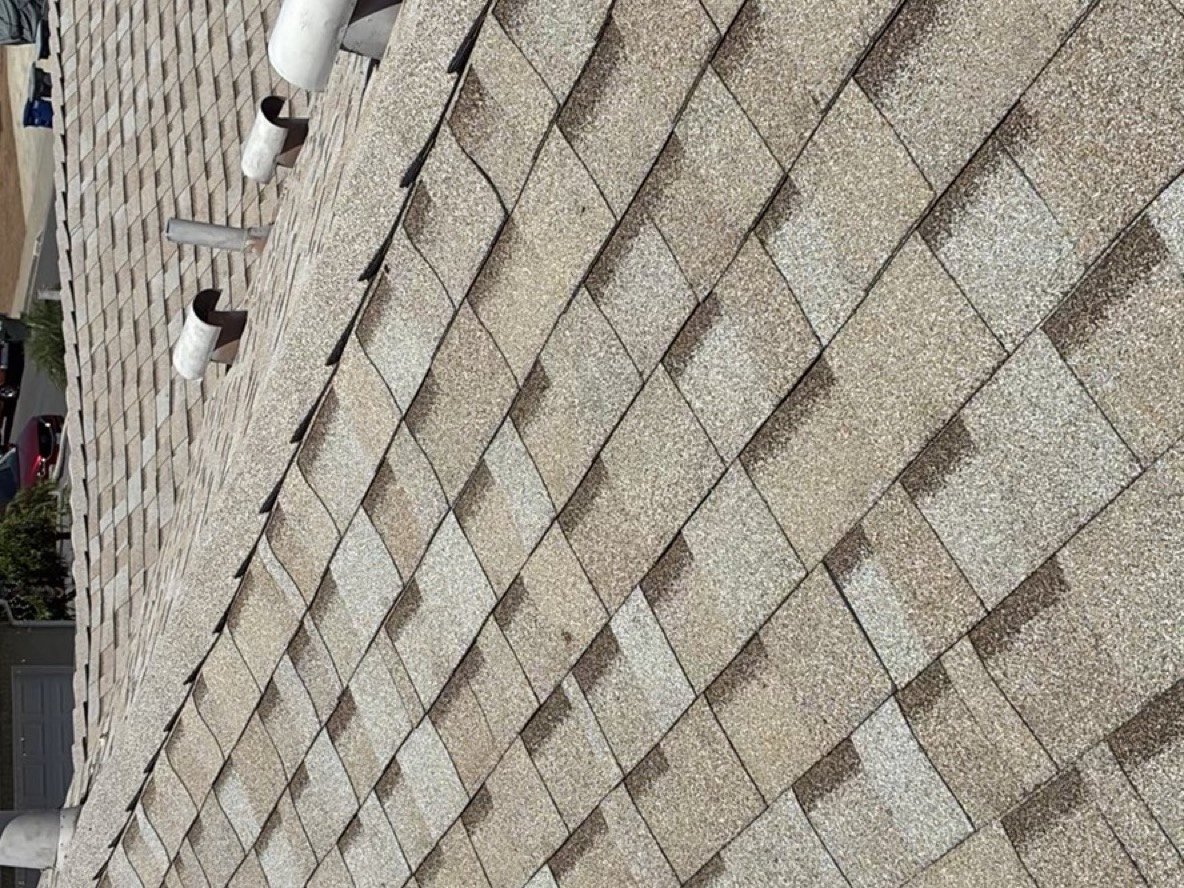
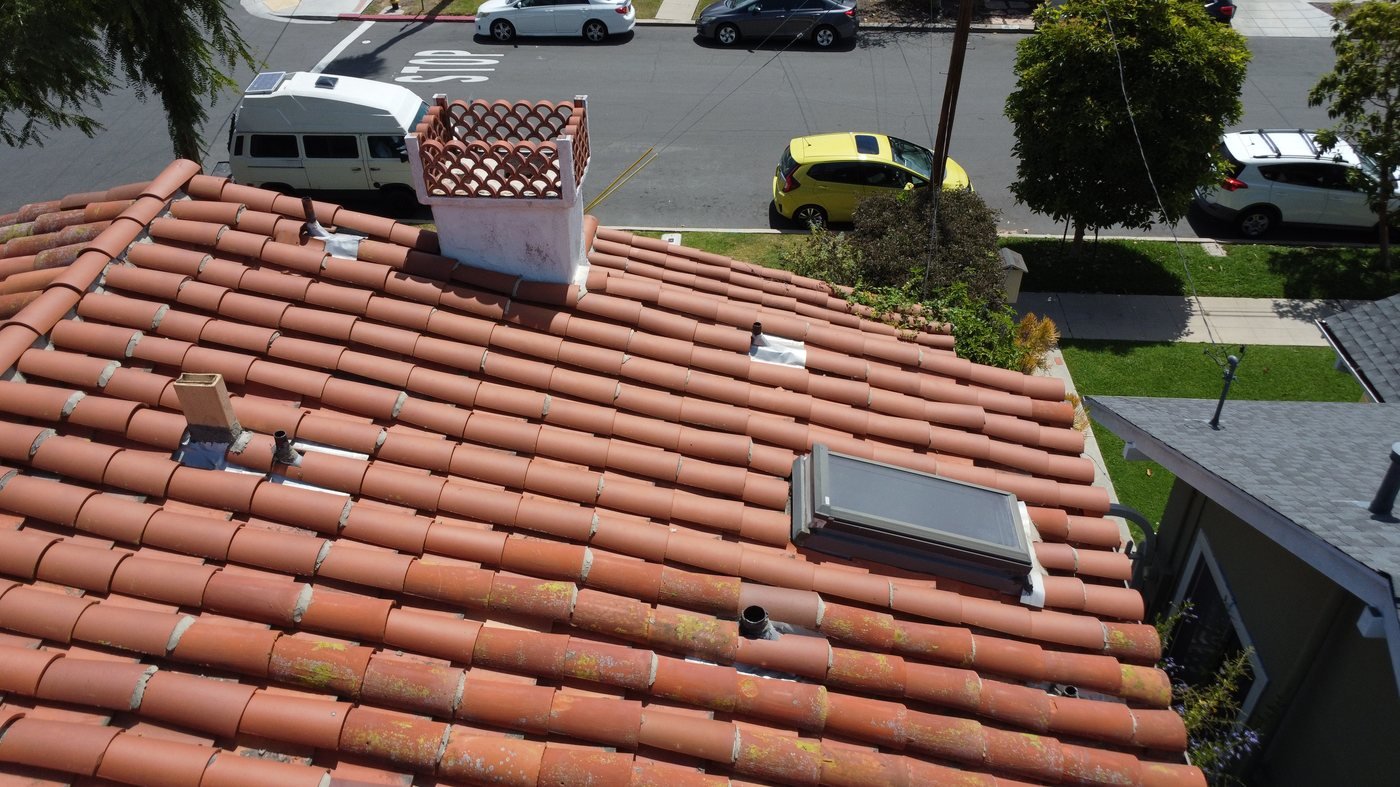
Aerial and on-roof photos from recent San Diego County roof inspections.
More inspections in Rancho Bernardo
- Seller inspection in Rancho Bernardo
- Warranty inspection in Rancho Bernardo
- Commercial roof cleaning in Rancho Bernardo
- Commercial inspection in Rancho Bernardo
- Home inspection in Rancho Bernardo
Nearby and countywide
Were You Happy With Your Inspection?
We are proud of our 4.9-star rating across 100+ Google reviews. If Joseph and the team did right by you, a quick Google review helps other San Diego County buyers and sellers find us.