
Roof Inspection in 4S Ranch, CA
Drive the loops off Camino San Bernardo, 4S Commons, or up into Del Sur and the roofs read almost identical — field after field of concrete tile in the same earth tones the builder and the HOA signed off on twenty-odd years ago. That uniformity is deceptive. The tile shrugs off the north-county sun for decades, but the asphalt-felt underlayment doing the actual waterproofing underneath it was never meant to last as long, and on a 2003 or 2005 home that felt is now near the back end of its life. A roof here can look pristine from the cul-de-sac while the layer that keeps water out of your slab-on-grade home is the part that's quietly failing.
I'm Joseph Romeo. A roof inspection is a documented visual read of the roof covering and everything that holds out weather: the underlayment indicators, flashing, valleys, penetrations, vents, skylights, and the gutters that move runoff off a stucco wall and away from the foundation. I report condition, signs of leakage or aging, and remaining-life indicators — then I point you to a licensed roofer for repair or certification. I don't certify roofs and I don't do the work, which keeps the read independent. Below: what the inspection reaches on a 4S Ranch home, the concerns particular to this master-planned stock, what I keep finding, how the report runs, and where it stops. The 4S Ranch home inspection hub handles the whole-house side.
Call (619) 752-4399 Schedule an Inspection
What does the roof inspection reach on a 4S Ranch home?
I treat the roof as a system, not a single glance at the tile field. On a 4S Ranch build that means evaluating the covering and every component water can exploit, with a photo behind each call:
- Roof covering — usually concrete tile on these tracts, with composition (asphalt) shingle on a handful of homes and flat foam/modified-bitumen over the occasional patio or low-slope section. I note the material, approximate age, and condition specific to each: cracked or slipped tiles and the underlayment beneath, granule loss and curling on shingle, blistering or ponding on foam.
- Underlayment indicators — I can't see felt under intact tile, but I read the proxies: staining, brittle or exposed felt at the eaves and rakes, prior slippage, and patch history that tell me where the waterproofing layer actually stands.
- Flashing and valleys — the metal at chimneys, sidewalls, valleys, and roof-to-wall stucco transitions, where the dry inland UV splits sealant and works fasteners loose. Flashing lets in more water on these homes than the field ever does.
- Penetrations and vents — plumbing stacks, flue terminations, attic and dormer vents, and the boot seals that dry-crack out here. On the wildland-facing edges I note whether vents are ember-resistant.
- Skylights and solar standoffs — the curb and flashing on skylights, plus the mounting standoffs of any rooftop array, which on 4S Ranch homes were often added years after the build and are a frequent leak path.
- Gutters, drainage, and the attic where accessible — whether runoff clears the stucco and the foundation, and from inside, signs of past or active leakage, daylight at penetrations, and the ventilation a hot attic needs.
You get a documented read on condition and remaining-life indicators. What I won't do is issue a roof certification or quote the repair — that's a roofer's job, and I'll say when to bring one in.
Which roof concerns are specific to 4S Ranch?
This community's age, build palette, and map position shape what goes wrong overhead — and it's a different list than an older inland town or a coastal cottage:
- Underlayment timed out under good tile: the defining 4S Ranch roof issue. Homes built across the 2000s now carry tile with decades left over felt underlayment that's reaching the end of the window a roofer — or a buyer — should worry about. The repair is usually a lift-and-relay, not a tear-off, but the timing matters and the street view hides it completely.
- Builder-installed and retrofit solar: these are solar-ready homes, and many carry rooftop arrays — some original, many added later. The standoff penetrations and their flashing are a real leak source when they weren't sealed cleanly, and they complicate a future underlayment relay because the array has to come off first. I read every penetration.
- Inland heat aging the exposed materials: 4S Ranch sits east of the marine layer, so shingle and foam sections bake. Composition roofs lose granules and curl faster than the same product near the coast, and foam chalks and blisters ahead of schedule. The tile endures; everything exposed alongside it does not.
- Wildland-edge ember exposure: the tracts backing onto Black Mountain open space and the Santa Fe Valley canyon edge sit in the WUI. Here a roof's ember defenses matter alongside its waterproofing — unscreened or open attic vents, gaps at the eaves, and debris collecting in tile valleys are entry points I flag.
- Drainage onto stucco and slab: roof runoff dumped at a stucco wall or pooling against a slab-on-grade foundation is a problem worth catching early. Gutters and downspouts that don't carry water clear tie the roof straight to the wall and the slab below.
What do I keep finding on 4S Ranch roofs?
Because these homes share a decade and a builder palette, the findings cluster — and knowing them before an offer or a listing tells you whether you're looking at maintenance or a relay in your near future:
- Spent underlayment under serviceable tile — the most common call out here. Tile in good shape over felt and flashing reaching the end of their life, pointing to a lift-and-relay a roofer should scope and price.
- Poorly sealed solar penetrations — standoffs and flashing from a later array install that show staining or lifting, one of the more frequent active-leak sources on these homes.
- Cracked and slipped tiles — breakage from foot traffic during prior HVAC, solar, or satellite work, leaving gaps over exposed felt.
- Dry-cracked sealant and pipe boots — split sealant at flashings and cracked neoprene boots at plumbing stacks, small failures that let water in long before any covering wears out.
- Sun-spent shingle and foam sections — heavy granule loss and curling on the shingle homes, and blistering or ponding on flat foam over patios and low-slope areas, especially on south- and west-facing exposures.
- Ember-vulnerable vents and debris-packed valleys — on the open-space-facing parcels, vents worth screening and valley debris worth clearing.
- Attic moisture staining — old or active stains at penetrations and valleys visible from inside, often the first hard evidence of a leak the tile surface doesn't yet betray.
None of it is a verdict standing alone. The report lays condition out plainly so you and a roofer can sort what needs action now from what to watch.
How does the inspection run and what report do I get?
It starts with a call to (619) 752-4399 or an email with the 4S Ranch address. I'll ask the covering type and roughly how old the home is, whether there's a rooftop array, and whether this is a standalone roof look or part of a fuller inspection — on a purchase it usually pairs with the whole-house visit.
On site I read the roof the way conditions allow. A walkable slope and covering, I walk; on tile I work largely from a ladder at the eaves and from inside the attic to avoid cracking tiles or risking a fall, since walking tile is how a lot of the breakage I find got there in the first place. I cover the covering, then flashing, valleys, penetrations, vents, skylights, and any solar standoffs, then gutters and drainage, and I get into the attic where access allows for leakage and ventilation. Every finding gets a photo.
You get the report in HomeGauge documenting the roof's condition, the specific defects, and remaining-life indicators, with photos behind every call, turned around same day or next day in most cases. Where something needs a specialist — underlayment near its end, a solar penetration leaking, ember-prone venting, a leak I can't trace visually — I say so plainly and point you to a licensed roofer. I report observed condition; I don't certify the roof, run a leak pressure-test, or bid the repair, so the findings stay independent of anyone selling the work. When a leak needs a pressure-test or a tile relay needs scoping, I coordinate or refer the right licensed pro.
Why do 4S Ranch owners and agents trust the call?
Reading a tile roof is judgment, not a checklist — telling underlayment with three years left from underlayment with twelve, or a cosmetic tile crack from a leak in the making, is experience. I'm an InterNACHI Certified Professional Inspector (CPI) and I hold a California CSLB General Contractor license (#1113143). That construction background is what lets me tell you whether a flagged item is a spot repair, a lift-and-relay, or a full re-roof down the road — and roughly what each path involves — before you ever call a roofer.
- 20+ years and 10,000+ inspections across San Diego County, including the master-planned north-county tracts — 4S Ranch, Del Sur, Santaluz, Rancho Bernardo — where tile-over-felt roofs from the 2000s are all hitting their underlayment window at once.
- 4.9 stars across 121 Google reviews from buyers, sellers, and agents.
- Independent and conflict-free — I document the roof and report what's there; I don't sell roofing, relays, or certifications, so nothing in the report steers you toward work you don't need.
When the roof needs a specialist's evaluation or repair, I'll point you to the right licensed trade to act on the exact findings. I'm InterNACHI CPI and CSLB-licensed — not an ASHI or CREIA member — and I don't post flat prices; the fee depends on the property. Reach me at joe@sandiegohomeinspection.com or the number above.
What inspections pair with a 4S Ranch roof check?
The roof is one system, and on most 4S Ranch visits it makes sense alongside a broader look. I can line these up around a single trip:
- Full home inspection — the whole-house evaluation a buyer needs; start at the 4S Ranch hub if you're purchasing, not just checking the roof.
- 4-point inspection — when an insurer wants the roof documented together with electrical, plumbing, and HVAC, common on these homes as they cross the twenty-year line.
- Attic and insulation evaluation — the underside of the roof you just had inspected, where ventilation and moisture problems first surface.
- Thermal / infrared imaging — reveals hidden moisture behind a ceiling from a roof or solar-penetration leak the surface doesn't yet show.
- Drainage and grading review — ties roof runoff to where the water actually goes on a slab-on-grade 4S Ranch lot, especially where gutters dump at a stucco wall.
Not sure what your address needs? Send it over and I'll tell you what's worth doing — see all inspection services we offer or get a quote through contact.
4S Ranch Roof Inspection FAQs
My 4S Ranch tile roof looks perfect. Why would it need inspecting?
Do you walk the roof or inspect from the ground?
I added solar after buying. Does that affect the roof inspection?
Will the inspection tell me how much roof life is left?
Can you certify my 4S Ranch roof for a sale or insurer?
Does the inspection cover wildfire ember risk?
Roofs we document
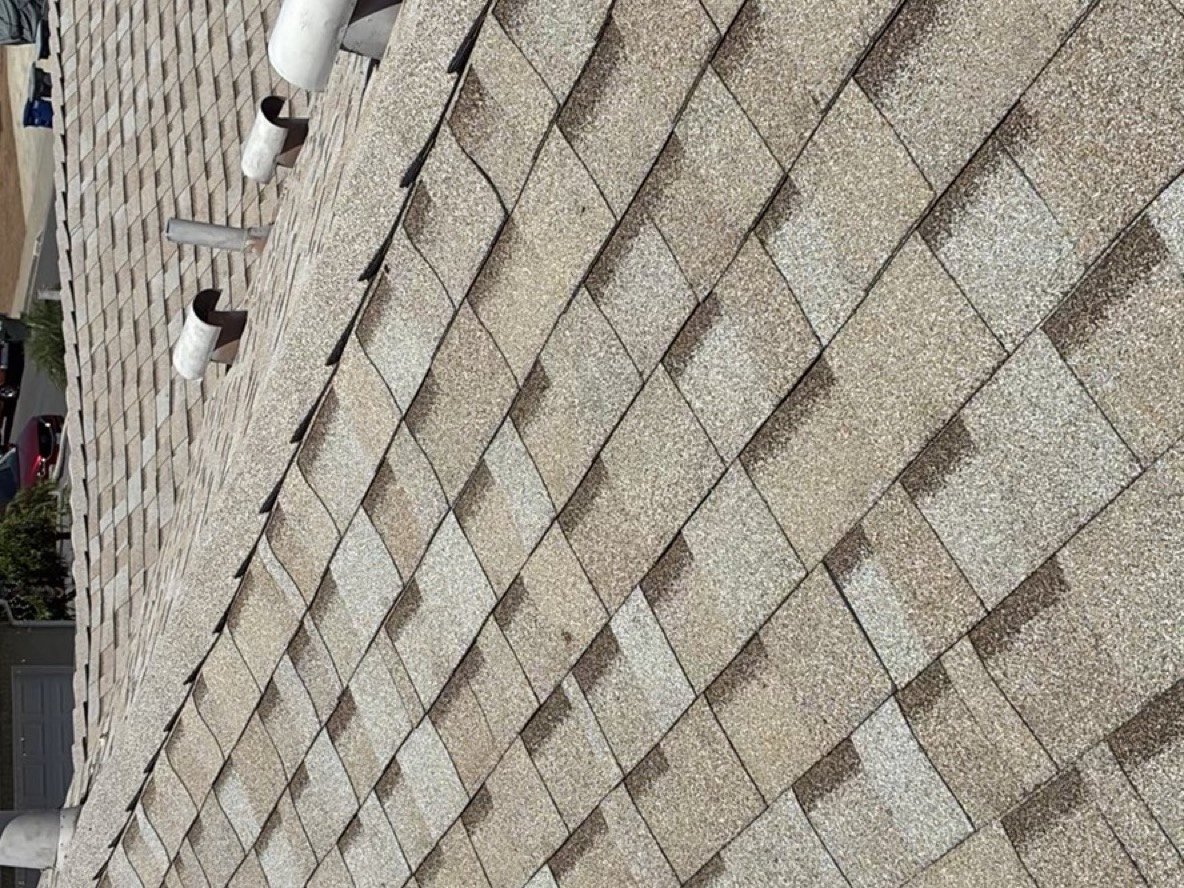
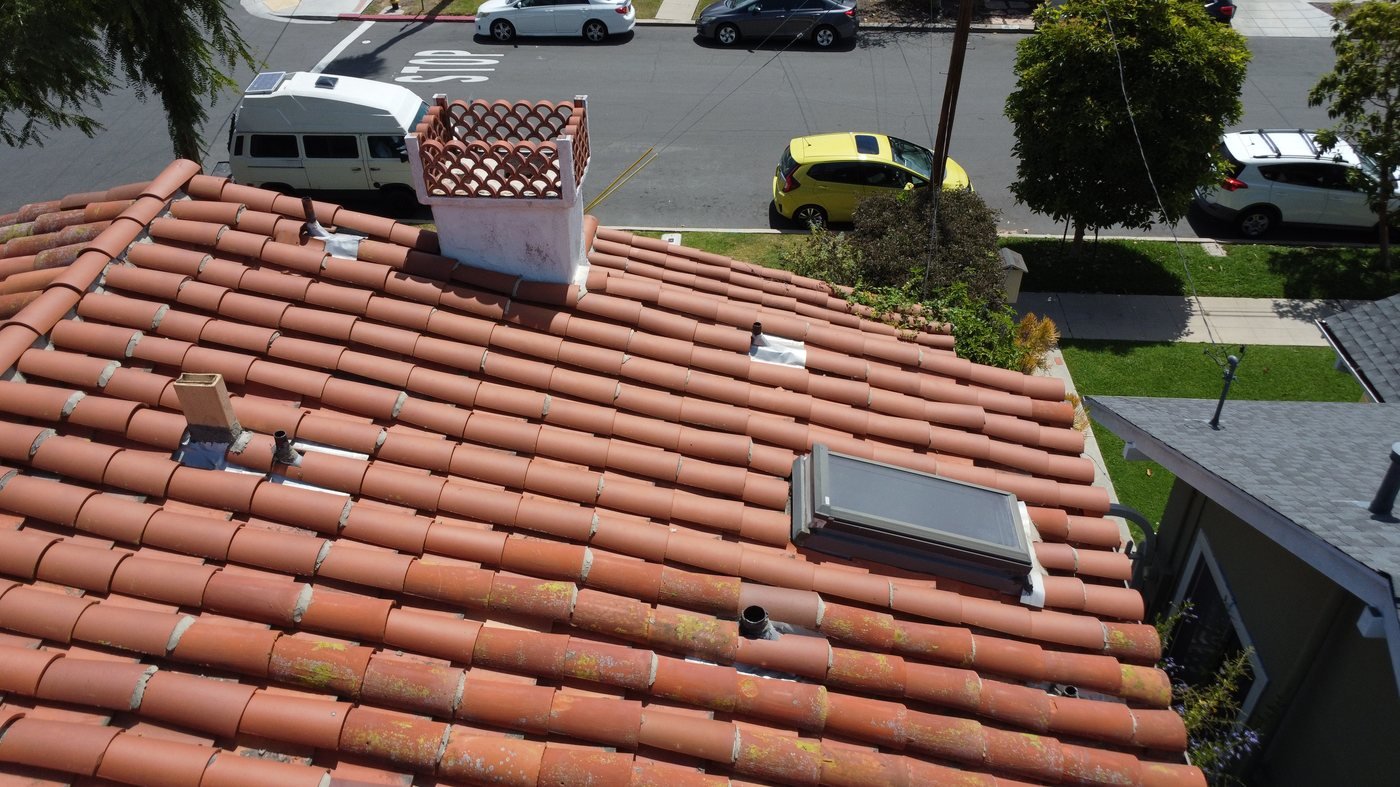
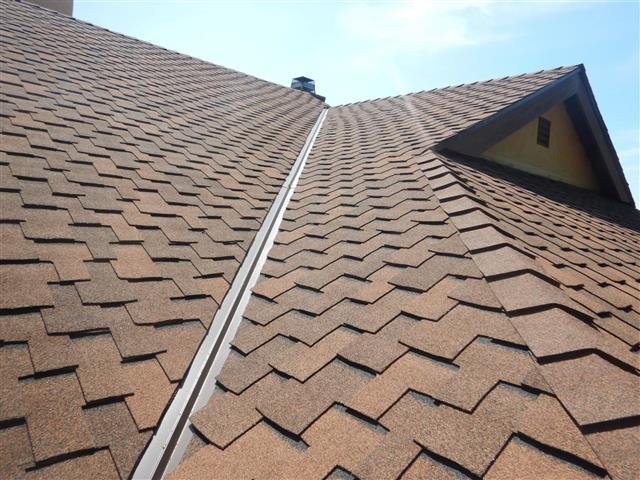
Aerial and on-roof photos from recent San Diego County roof inspections.
More inspections in 4S Ranch
- Warranty inspection in 4S Ranch
- Commercial roof cleaning in 4S Ranch
- Commercial inspection in 4S Ranch
- Pool and spa inspection in 4S Ranch
- Home inspection in 4S Ranch
Nearby and countywide
Were You Happy With Your Inspection?
We are proud of our 4.9-star rating across 100+ Google reviews. If Joseph and the team did right by you, a quick Google review helps other San Diego County buyers and sellers find us.