
SB-326 Balcony Inspection in 4S Ranch, CA
4S Ranch went up fast in the 2000s, and the wood-framed balconies and elevated walkways that came with its attached condos and townhomes are now reaching the age where California wants a qualified set of eyes on them. SB-326 — the balcony-inspection clause inside the Davis-Stirling Act — tells condominium and HOA-governed communities to have their load-bearing Exterior Elevated Elements (EEE) and the waterproofing protecting them inspected every nine years. The first compliance deadline was January 1, 2025, which lands squarely on the master-planned condo stock here that was built right around the turn of the millennium.
SB-326 is the common-interest-development sibling of SB-721, the law covering rental apartments — same wood, same water, different rulebook. Under SB-326 a licensed inspector visually examines a statistically significant random sample of the EEE across the association and writes a report the board folds into its reserve study. We sample, document, and report condition; the repair work itself goes to a licensed contractor. Below is how that plays out on 4S Ranch's relatively young but no longer new condo and townhome communities, with the broader 4S Ranch inspection hub covering the rest.
Call (619) 752-4399 Schedule an Inspection
What does an SB-326 inspection sample in a 4S Ranch HOA?
SB-326 zeroes in on the parts that hold residents up and the waterproofing that keeps the framing behind them dry. Across a 4S Ranch common-interest development — the stacked-flat condos and attached townhome rows that fill neighborhoods like the village center and the communities off Camino San Bernardo and 4S Ranch Parkway — the sampled elements typically include:
- Projecting unit balconies and private decks on upper flats — the joists, the ledger that ties the deck back to the wall, the guardrails, and the deck coating sealing the assembly.
- Elevated walkways and breezeways that serve second- and third-floor units in the larger podium and wrap-style buildings built over tuck-under garages.
- Exterior stair flights and intermediate landings — the stringers, posts, and connection hardware common to townhome-style stacks.
- Guardrails and handrails on every elevated element, checked for solid attachment and whether they still take a load.
- The waterproofing system — elastomeric deck membranes, flashing, sealant lines, and drainage, examined as one assembly because they decide whether the wood survives.
The hallmark of SB-326 is the random sample: not every balcony, but enough of each element type across the association that the findings fairly represent the whole community. Because 4S Ranch was built in repeating production-builder phases, the same balcony detail recurs building to building — which makes a well-chosen sample genuinely representative here. We classify each sampled element, photograph it, and estimate remaining useful life for the reserve study.
How does a 2000s master-planned build shape this inspection?
4S Ranch doesn't have salt air or 1970s conversions to worry about — its EEE story is different, and it's tied to age catching up with original construction:
- Original waterproofing reaching the end of its life: deck membranes and sealant installed when these buildings went up have now had two decades of sun on them. A coating rated for roughly that long is exactly what an SB-326 inspection finds at the threshold of failure on early-2000s 4S Ranch decks.
- Intense inland sun off the I-15 corridor: this north-county valley runs hot and dry, and that relentless UV chalks, cracks, and shrinks elastomeric deck coatings and sealant joints — the first seam where water slips behind the membrane.
- Podium and wrap construction over garages: many 4S Ranch condos stack living units and walkways above parking. A balcony leak here doesn't just rot a deck — it tracks into the framing over the garage podium below, where nobody sees it until the sample is pulled.
- Slab-on-grade, stucco production framing: the fast stucco-clad construction of the era often hides ledger and flashing details behind cladding that looks pristine, so a balcony can read fine from the courtyard while the connection behind it is wet.
- First-cycle communities: many 4S Ranch associations are running their very first SB-326 round, so there's no prior baseline — this inspection sets the condition record the next nine-year cycle measures against.
What do we commonly find on 4S Ranch condo decks?
On the production-built condos and townhomes here, the findings cluster in predictable places. Knowing them up front lets a board fund the right reserve line rather than be blindsided:
- Sun-aged deck coatings — chalked, hairline-cracked, or thinned elastomeric membranes, worst at the seam where the balcony meets the building wall, the leading water entry point.
- Split sealant at thresholds and railing posts — the original caulk lines at slider thresholds and guardrail penetrations dried and pulled away under inland heat.
- Early ledger and rim moisture — staining or soft framing where a deck ties to the wall, often hidden behind intact-looking stucco on these production builds.
- Corroded connectors — rusting joist hangers and lag bolts wherever a coating breach or irrigation overspray has kept the wood damp.
- Under-attached guardrails — railings that have lost grip because the wood or hardware behind them weakened, an immediate safety flag the board must act on.
- Ponding on walkways and landings — shared corridors that drain poorly and hold water against the structure long after a dry valley afternoon.
- Builder-grade flashing gaps — thin or short-installed flashing at deck-to-wall junctions, a recurring detail on fast-phase 2000s construction.
We separate cosmetic aging from anything touching load capacity, so a flagged item reflects a real structural or safety concern your board can act on with confidence.
How does it run and what report does the board file?
It starts with a call to (619) 752-4399 or an email with the project address, the number of buildings, and a rough count of balconies, walkways, and stair flights. A 4S Ranch community spread across a dozen near-identical podium buildings sizes differently than a small townhome cluster, so we set the random sample and arrange access through the board or management company for each association specifically.
On site we work the sampled balconies, decks, walkways, stairs, and landings methodically — visible framing, the waterproofing, the connections, and the guardrails — photographing the condition of every element we touch. Where the evidence points to concealed damage — a stained garage-podium ceiling under a deck, a spongy landing, a coating failed at a ledger — we note where a closer intrusive look is warranted before any repair design rather than guessing at what's inside the assembly.
You receive a HomeGauge report that classifies each sampled element, flags anything posing an immediate safety threat, estimates remaining useful life, and supplies the photo record — written in the EEE language SB-326 and your reserve analyst expect, not a bare pass/fail sheet. Turnaround is typically same day or next day. Our lane stays clear: we inspect and report observed condition. We don't design or perform repairs and we don't issue structural certifications on a building we inspect — when a finding needs repair drawings or a stamped opinion, we say so and coordinate or refer the right licensed engineer or contractor, keeping the report independent of any repair sale.
Why do 4S Ranch boards and managers choose us?
SB-326 limits who may perform the inspection, and hands-on building knowledge is what reads these assemblies right. Your inspection is handled by Joseph Romeo, an InterNACHI Certified Professional Inspector (CPI) who also holds a California CSLB General Contractor license (#1113143). Because he's built and repaired the ledger connections, exterior stairs, and deck membranes he's evaluating, he can tell a 4S Ranch board whether a finding is a coating refresh or a framing repair that needs an engineer — the distinction that decides how big a reserve contribution has to be.
- 20+ years and 10,000+ inspections across San Diego County, including 4S Ranch's master-planned condo and townhome communities.
- 4.9 stars across 121 Google reviews from owners, boards, managers, and agents.
- Independent and conflict-free — we document condition and don't bid the repairs we flag, so nothing in the report steers the association toward buying work.
- Reports built to drop straight into the reserve study and the SB-326 record your association keeps.
For transparency: we are InterNACHI CPI and CSLB-licensed, not ASHI or CREIA members, and we don't publish flat prices — the fee tracks the community's size and the number of elements the sample covers. Check the fee schedule or send the address and building count for a quote before you book. Reach us at joe@sandiegohomeinspection.com or the number above.
What other inspections suit 4S Ranch associations?
SB-326 answers the balcony mandate, but 4S Ranch associations often need more looked at on the same mobilization, and we can coordinate it around one visit:
- SB-721 balcony inspection — the parallel EEE law for rental apartment buildings of three or more units; if a 4S Ranch property is multifamily rental rather than a condo HOA, that's the standard that applies.
- Roof inspection — the roof membrane and flashing tie into the same waterproofing protecting upper walkways and balconies on these podium buildings, so they read well together.
- Thermal / infrared imaging — locates concealed moisture behind deck coatings and at ledger ties before any intrusive opening, valuable on stucco-clad production framing.
- Sewer scope — a camera down the laterals on the association's lines, sensible when the board is planning broader capital work.
- Building-wide condition assessment — a fuller look at accessible common-area systems when capital planning is underway.
- Structural / engineering review — referred when a flagged element needs a stamped repair design.
Not sure which apply to your project? Send the address and building count and we'll tell you what's worth scheduling before your SB-326 cycle comes due. Browse all inspection services or check the fee schedule.
4S Ranch SB-326 Balcony Inspection FAQs
Does my 4S Ranch condo association need an SB-326 inspection?
Our buildings are only from the 2000s. Are they really due?
Do you inspect every balcony in our 4S Ranch community?
Why does the inland heat matter for our decks?
Can you repair the balconies you inspect?
What does an SB-326 inspection cost in 4S Ranch?
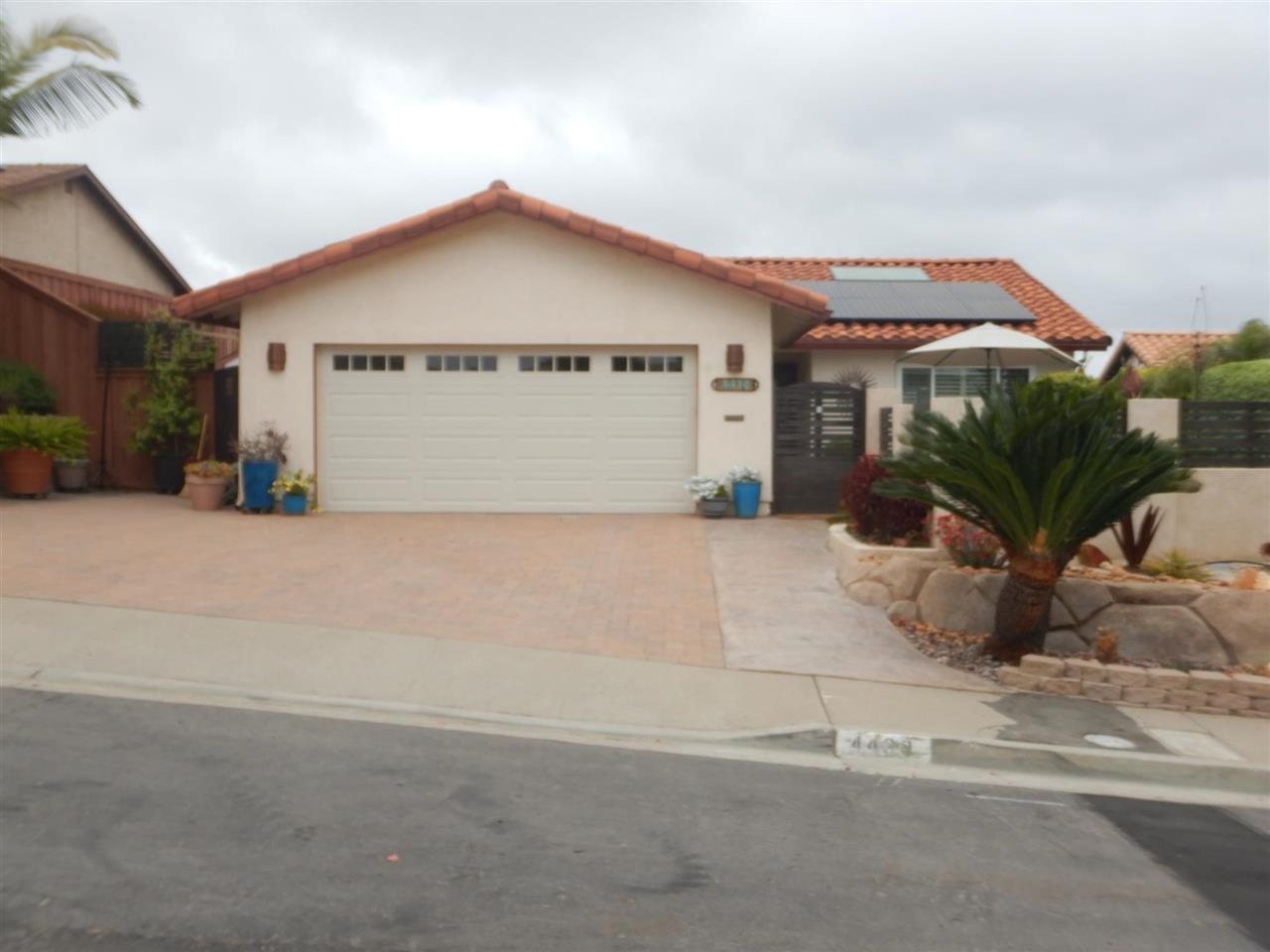
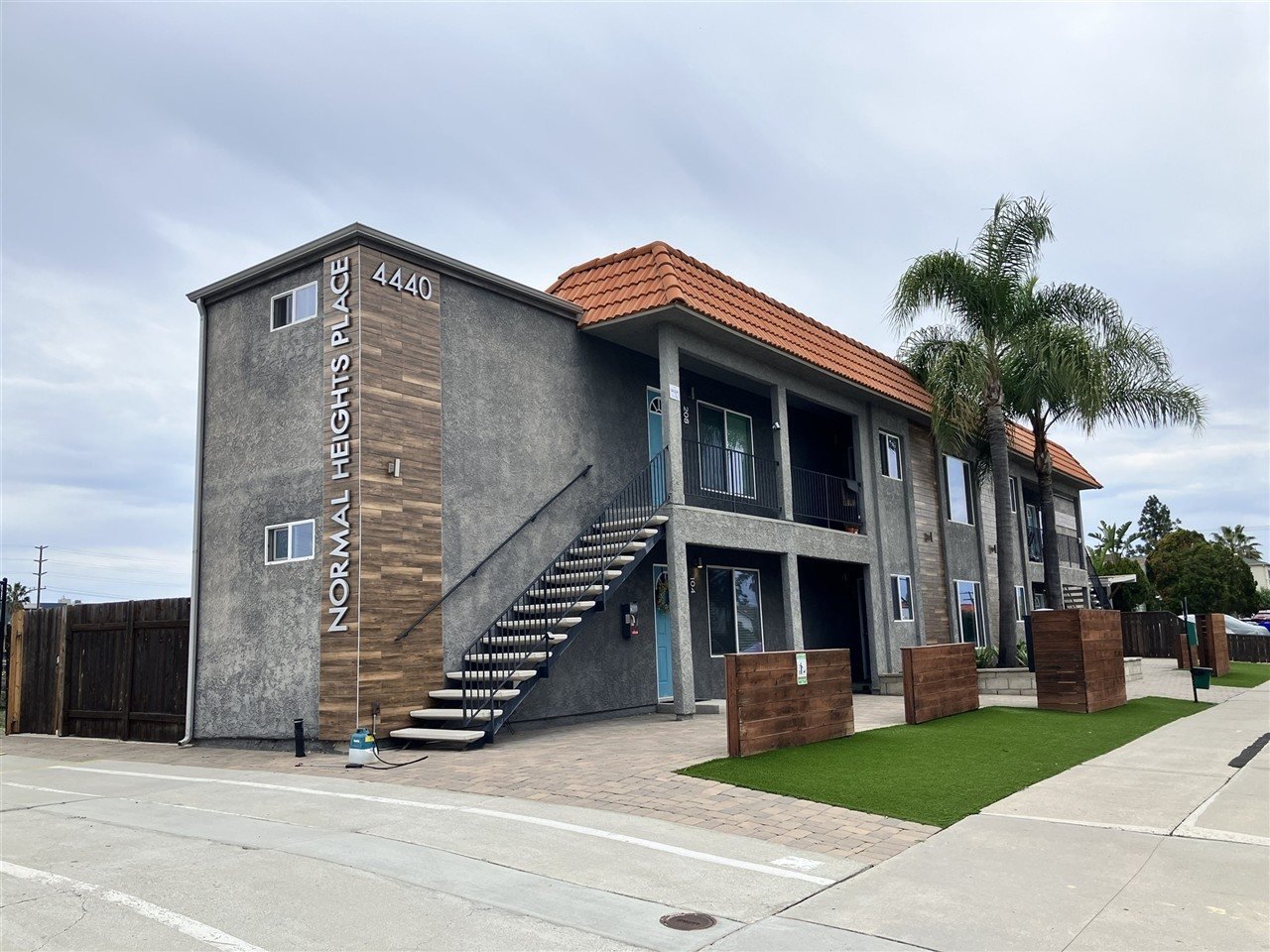
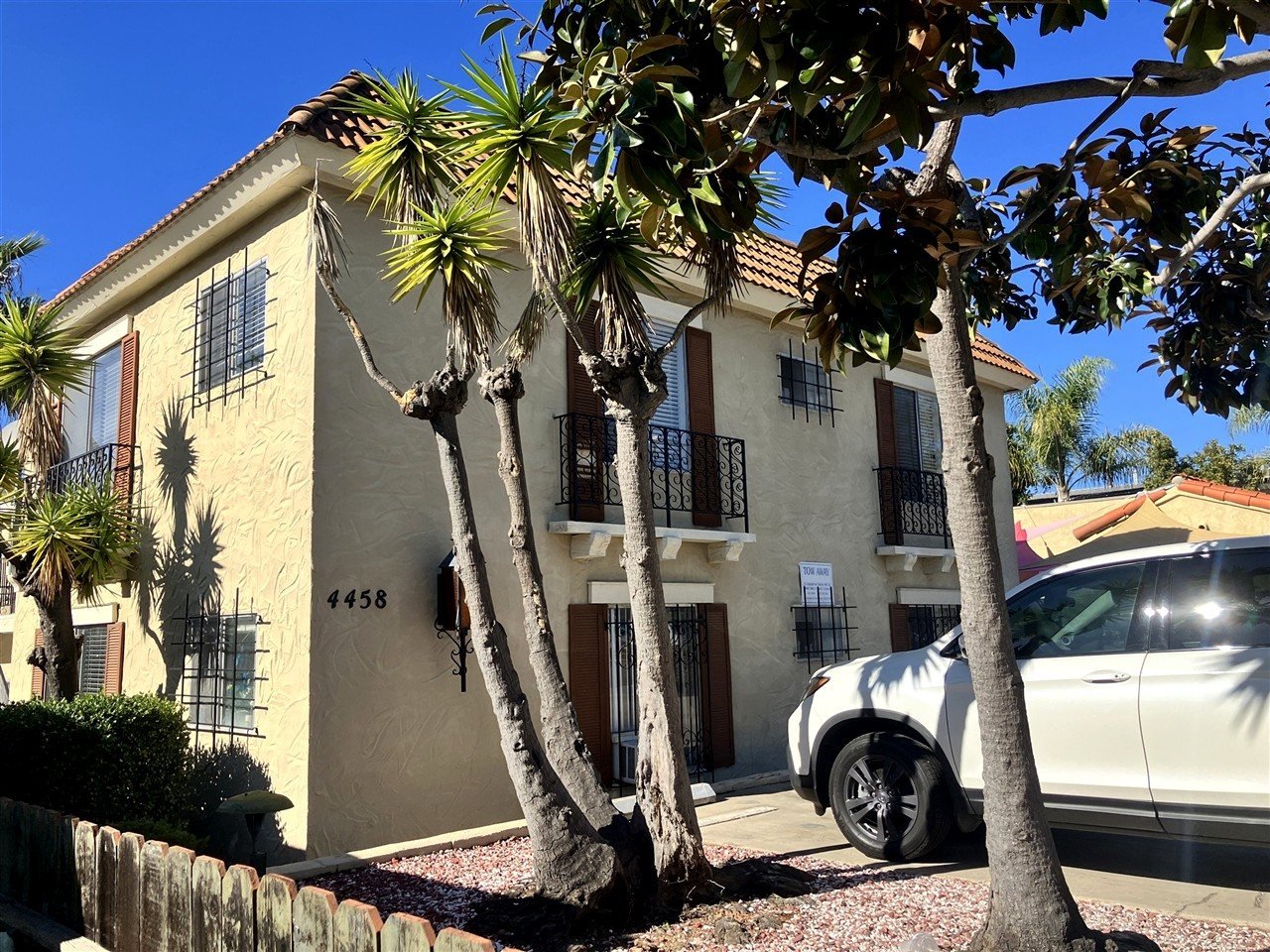
HOA properties we inspect
Condominium properties documented for SB 326 balcony compliance across San Diego County.
More inspections in 4S Ranch
- SB 721 balcony inspection in 4S Ranch
- SB 721 exemption letter in 4S Ranch
- Seller inspection in 4S Ranch
- Warranty inspection in 4S Ranch
- Home inspection in 4S Ranch
Nearby and countywide
Were You Happy With Your Inspection?
We are proud of our 4.9-star rating across 100+ Google reviews. If Joseph and the team did right by you, a quick Google review helps other San Diego County buyers and sellers find us.