
SB-721 Balcony Inspection in 4S Ranch, CA
4S Ranch is one of the newer corners of north San Diego County — a master-planned community that filled in through the 2000s along the SR-56 and Camino del Norte corridor. Most of the apartments and multifamily here were built in that same window: wood-framed garden and podium complexes near the 4S Commons Town Center and along Dove Canyon Road, with stucco exteriors, slab-on-grade construction, and the open exterior stairs and second-story balconies that go with that era of building. If you own or manage a building here with three or more dwelling units, California's SB-721 law covers those elevated elements your tenants stand on every day.
SB-721 is the state's Exterior Elevated Elements (EEE) law. It requires a qualified inspector to examine the load-bearing balconies, decks, exterior stairs, landings, and walkways — plus the waterproofing that keeps them sound — and classify each as safe or unsafe with photographs for the owner and the County. The first inspection came due January 1, 2026 after AB 2579 reset the original date, and it repeats every six years. I'm Joseph Romeo, and I perform these inspections across 4S Ranch myself. The broader 4S Ranch inspection hub covers residential and other work; this page is specific to SB-721.
Call (619) 752-4399 Schedule an Inspection
What does an SB-721 inspection cover on a 4S Ranch building?
The law targets Exterior Elevated Elements (EEE) — the weight-bearing components that project off a building more than six feet above the surface below — together with the weatherproofing that protects them. On a 4S Ranch multifamily property, here is what I work through:
- Unit balconies and decks — the framing, the ledger where the balcony ties into the wall, support posts, and the deck-surface membrane meant to keep water off the wood.
- Exterior stairways and stringers — the open stair runs serving upper units in 4S Ranch's garden-style complexes, including how the stringers anchor at top and bottom.
- Landings and elevated breezeways — the entry platforms and second- and third-story walkways that connect the larger podium buildings near 4S Commons.
- Guardrails and handrails — checked for solid attachment and load resistance on every element above.
- Waterproofing systems — flashing, deck coatings, sealant joints, and drainage, inspected right alongside the structure, because water getting past them is what eventually ruins the framing.
The inspection is primarily visual across a representative sample of each element type. Where the visual read points to concealed damage, SB-721 permits opening a small section to confirm what is happening inside the assembly — the intrusive portion. Every inspected element gets a safe-or-unsafe call backed by photos. I inspect and document condition; the repair design for anything flagged goes to a licensed engineer or contractor, which is a separate scope I don't perform.
Why do newer 4S Ranch buildings still show findings?
A lot of 4S Ranch owners assume a building from the 2000s is too new to have a problem. It isn't — and the specific conditions out here are what I weigh on the walk:
- Coatings and sealants at the end of their service life: elastomeric deck membranes and sealant joints on these 2000s podium and garden complexes are rated in years, not decades. The 4S Ranch stock built fifteen to twenty years ago is reaching exactly that point now, which is when the inspection matters most.
- Inland heat and UV cycling: 4S Ranch sits well back from the marine layer, and that hot, dry summer exposure checks and cracks deck coatings and bakes sealants brittle — opening the seams that winter rains then drive water through.
- Stucco-to-deck transitions: the stucco exteriors common here meet balcony decks and ledgers at junctions that depend entirely on flashing and sealant. When those age out, water tracks behind the stucco and into the wood with no surface sign at all.
- Slab-on-grade and soil movement: the slab-on-grade construction across 4S Ranch shifts seasonally on north county's clay-bearing soils, working stair connections and post bases loose over time and opening the small gaps that later channel water in.
- Solar-ready penetrations: many of these buildings carry rooftop and exterior penetrations near upper walkways, and the flashing there sheds onto the same elevated elements I'm inspecting.
Which balcony defects turn up most often in 4S Ranch?
Across the garden and podium complexes I inspect in this part of north county, the defects cluster in predictable spots. Knowing them before the deadline lets an owner budget the repair rather than react to a failed element under a re-inspection clock:
- Ledger flashing failure: at the joint where a balcony meets a stucco wall, aged flashing lets water slip behind the membrane and reach the ledger — the concealed failure SB-721 exists to catch before a balcony lets go.
- Sun-checked deck membranes: cracked, chalked coatings on upper balconies that have stopped shedding water and started feeding the joists underneath.
- Brittle, split sealant at deck-to-wall joints and post penetrations — the first place water gets behind the waterproofing on these stucco buildings.
- Loose post bases and stair connections worked free by slab and soil movement, often with daylight visible at the connection.
- Under-anchored guardrails that flex under load because the wood or fasteners behind them have weakened — one of the most common safety calls.
- Clogged or settled drainage on walkways and landings where scuppers pack with debris or slope has flattened, holding standing water against the framing.
I draw a clean line between cosmetic wear and an actual load-bearing or safety defect, so a requires-repair call reflects a real concern, and I photograph each one so you and the County read documented evidence, not an opinion.
How does the inspection run and what report do owners get?
It starts with a call to (619) 752-4399 or an email with the building address, the unit count, and a rough tally of balconies, exterior stairs, and elevated walkways. A multi-building garden complex off Dove Canyon Road is a different day than a small infill fourplex, so I scope and schedule each property specifically and arrange access to upper units and shared landings up front.
On site I work each sampled element hands-on: reading flashing and probing for soft wood at the ledger connections, checking coating integrity and drainage across the deck surfaces, testing the rails for attachment, and examining stringers, posts, and connectors beneath the stairs and landings. When a sign of concealed damage shows up — a stain tracking below a balcony, a spongy landing, a coating split at a stucco junction — I'll discuss the small, repairable opening that the intrusive portion allows rather than guess at what sits behind the finish.
You receive a HomeGauge report that classifies each element as safe or unsafe, records the waterproofing condition, and backs every call with photos in the form the County and your records need — typically same day or next day. The report documents observed condition. I don't draw repair plans, perform the work, or sign structural certifications on a building I inspect. When a finding needs repair drawings or a stamped engineering opinion, I say so and refer the right licensed professional, which keeps the report independent.
Why do 4S Ranch owners and managers bring me in?
An SB-721 report lives or dies on the judgment behind the safe-or-unsafe call — a missed rotten ledger is a liability, a false alarm is a needless repair bill. Your inspection is performed by me, Joseph Romeo, an InterNACHI Certified Professional Inspector (CPI) who also holds a California CSLB General Contractor license (#1113143). I've framed and repaired decks, ledgers, exterior stairs, and waterproofing details, so when I write that a connection is unsafe I know what the fix involves and what sits behind the finish.
- 20+ years and 10,000+ inspections across San Diego County, including 4S Ranch's garden and podium complexes near 4S Commons and along the Camino del Norte corridor.
- 4.9 stars across 121 Google reviews from owners, property managers, and agents.
- Independent and conflict-free — I inspect and report; I don't sell you the balcony repair, so nothing in the call is steered toward work I'd profit from.
- Reports built to hold up to the SB-721 record-keeping the County and your files expect.
For the record: I'm InterNACHI CPI and CSLB-licensed, not an ASHI or CREIA member, and I don't publish flat prices because the fee tracks building size and element count. Reach me directly at joe@sandiegohomeinspection.com or the number above.
What other inspections suit 4S Ranch multifamily owners?
SB-721 settles the balcony-safety mandate, but owners and buyers of 4S Ranch multifamily property often have more than one thing worth looking at in a single mobilization, and I can coordinate them around the same visit:
- SB-326 balcony inspection — the parallel EEE law for condominium and HOA-governed buildings; if your 4S Ranch property is a common-interest development rather than an apartment, that is the standard that applies instead.
- Full apartment / multifamily inspection — roof, electrical, plumbing, HVAC, and structure for a buyer's-grade read when you're acquiring or refinancing a 4S Ranch complex.
- Thermal / infrared imaging — reads concealed moisture behind deck coatings and stucco-to-ledger junctions the eye misses, useful when a coating raises a flag but the framing isn't yet exposed.
- Roof inspection — a separate look at coverings and the solar-ready penetrations common on 4S Ranch buildings, distinct from the SB-721 elements but tied into the same waterproofing.
- Sewer scope — a camera down the laterals serving a 4S Ranch apartment parcel, which the EEE inspection doesn't touch.
Send the address, the unit count, and whether the building is an apartment or a condo, and I'll tell you which of these genuinely apply before you spend on any of them. Browse all inspection services or check the fee schedule.
4S Ranch SB-721 Balcony Inspection FAQs
Which 4S Ranch buildings need an SB-721 inspection?
My 4S Ranch building is from the 2000s — is it really subject to this?
When was the SB-721 deadline for 4S Ranch apartments?
Will you cut into the balcony framing?
What happens if an element comes back unsafe?
What does an SB-721 inspection in 4S Ranch cost?
Properties we inspect
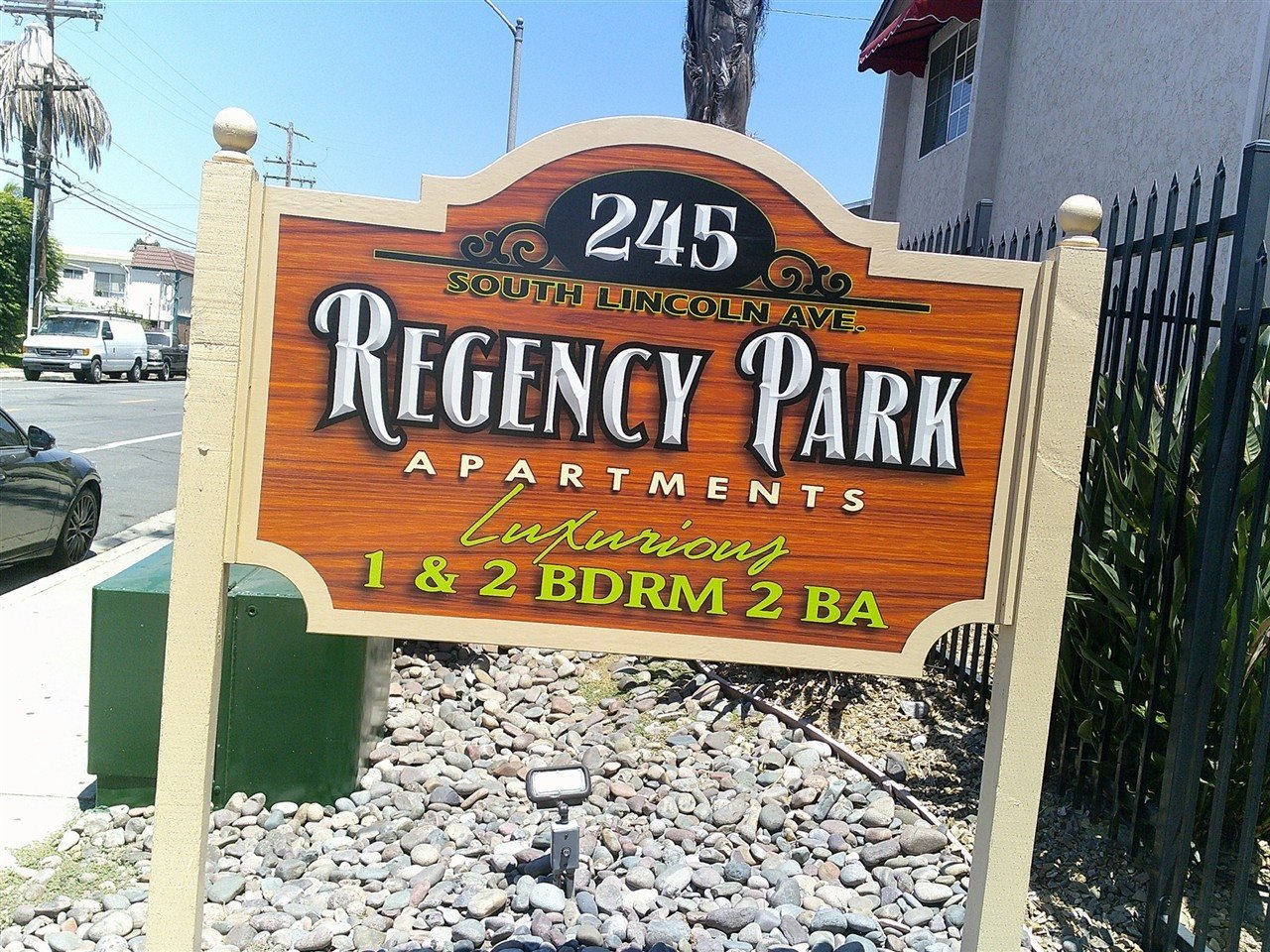
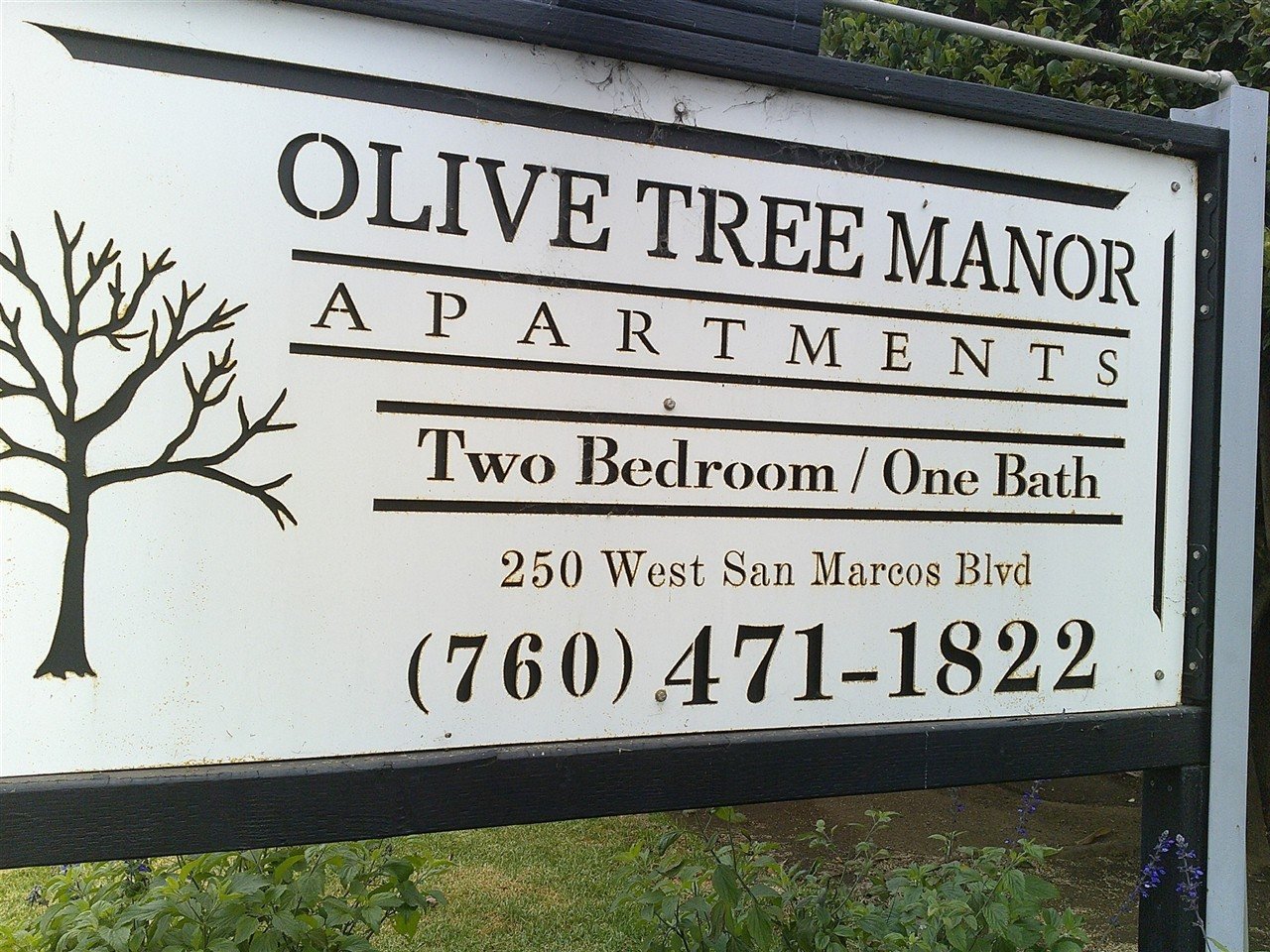
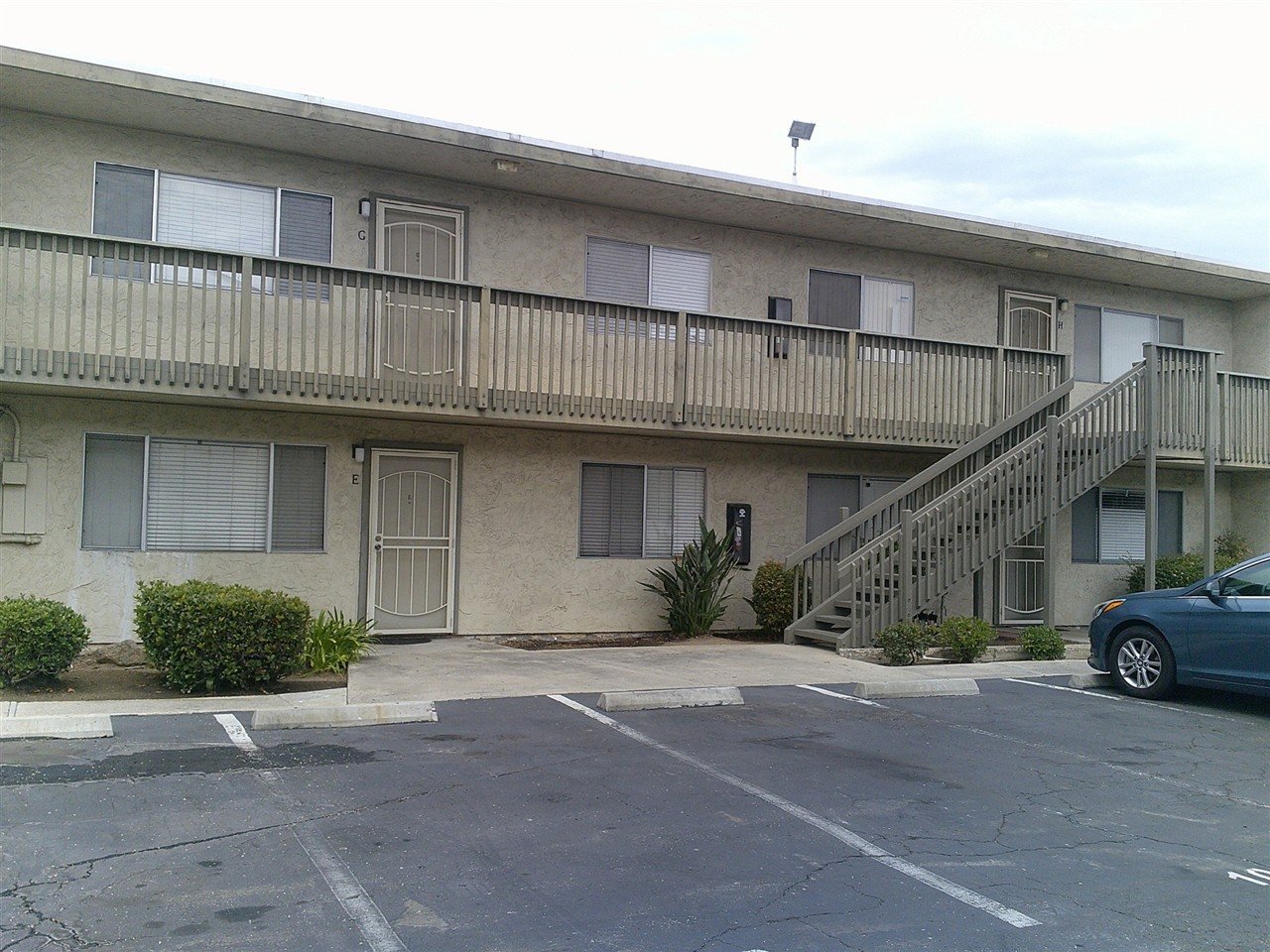
Multi-unit properties documented for SB 721 balcony compliance across San Diego County.
More inspections in 4S Ranch
- Foundation slab survey in 4S Ranch
- SB 326 balcony inspection in 4S Ranch
- SB 721 exemption letter in 4S Ranch
- Seller inspection in 4S Ranch
- Home inspection in 4S Ranch
Nearby and countywide
Were You Happy With Your Inspection?
We are proud of our 4.9-star rating across 100+ Google reviews. If Joseph and the team did right by you, a quick Google review helps other San Diego County buyers and sellers find us.