
Sewer Scope Inspection in 4S Ranch, CA
Most buyers assume a 4S Ranch home is too new to need a sewer scope. The tracts off Dove Canyon, Camino San Bernardo, and 4S Ranch Parkway went in during the 2000s on slab-on-grade pads, so the lateral under your yard is almost always ABS or PVC, not the clay or cast iron that worries older San Diego towns. That's the good news. The catch is that a young pipe gets you nothing if it was bedded poorly, if the pad has settled, or if construction debris got sealed into the line the day it was laid — and none of that shows when an inspector just runs the kitchen tap and watches it drain.
I'm Joseph Romeo, and a sewer scope is how you confirm what's actually under a 4S Ranch slab instead of trusting the build date. I push a waterproof, self-leveling camera into the main lateral from a cleanout, run it toward the city main, and record the whole trip so you see the bedding, the slope, the joints, and anything sitting in the line. The house above the slab is covered by the 4S Ranch home inspection hub — this page is about the buried run: what the camera reaches under a newer slab-on-grade home, why a 2000s lateral here still fails in its own ways, and what I keep finding down there.
Call (619) 752-4399 Schedule an Inspection
What does the camera cover on a 4S Ranch lateral?
A sewer scope is a recorded video inspection of the main sewer lateral — the underground drain line running from the house out to the city main. On a slab-on-grade 4S Ranch home that line is buried under the foundation and the front yard, with no way to judge it except to send a camera down it. From a cleanout or accessible point I feed the camera the full length of the run and document, on video:
- Pipe material — almost always ABS or PVC on these 2000s builds, but the camera confirms it rather than assumes it, and flags any odd transition where a remodel or repair spliced in something else
- Bellies and sags — low spots where the pad or trench bedding settled and the line no longer carries flow downhill, the single most common defect I find on newer slab-on-grade homes
- Offsets and separations — joints pushed out of alignment by settlement, where the camera catches on a lip and debris collects
- Construction debris — the grout, drywall mud, sand, and trash that got into the line during the build and never fully flushed out
- Root intrusion — less common here than in old neighborhoods, but the maturing HOA street trees and landscape plantings are now old enough to find a loose joint
- Blockages and prior repairs — grease, foreign objects, and any patch or coupling left by earlier work
You get the recorded video plus my written findings. I don't dig, hydro-jet, or make the repair — I document the condition and, where the line needs work, hand you the footage and refer a licensed plumber who can act on exactly what we saw.
Why does a 2000s 4S Ranch home still earn a scope?
The reasons to scope a 4S Ranch line are different from the reasons that drive it in older towns — it's about how these tracts were built and how the ground under them has moved since, not about pipe age:
- Slab-on-grade settlement. These homes sit directly on a slab poured over engineered fill. When that fill consolidates unevenly over twenty years, the lateral beneath it settles with it — and a pipe that started with proper fall can develop a belly or an offset even though the plastic itself is sound.
- Trench bedding and builder workmanship. 4S Ranch went up fast during the 2000s boom. A lateral bedded on uneven backfill, or laid with a dip the grade crew never caught, holds water from day one. New pipe, old problem — and the camera is the only thing that shows it.
- Construction debris sealed in. On production builds I regularly find grout, mortar, and drywall slurry that washed into open drain lines during finishing and hardened in place. It narrows the pipe and starts the slow backups an owner learns to live with.
- Maturing landscape and HOA trees. The street trees and front-yard plantings that came with these tracts are now fifteen-plus years old. Roots don't crack PVC the way they split clay, but a maturing root system will still work into a loose coupling or a settled joint.
- Solar-ready slab homes don't get the line checked. Buyers focus on the roof, the panels, and the finishes on these turnkey homes and skip the one buried system nobody can see — which is exactly why a quiet belly goes unnoticed until it backs up.
What does the footage commonly show in 4S Ranch?
Run enough cameras through 4S Ranch laterals and the findings cluster around the build, not around rotten old pipe. None of these kills a deal — they just need a real number attached before you waive a contingency:
- Bellies holding standing water — the headline find here: a settled low spot mid-run where waste pools instead of draining, the source of recurring slow backups in an otherwise modern home
- Offset joints from settlement — sections nudged out of line as the fill under the slab consolidated, catching paper and debris at the lip
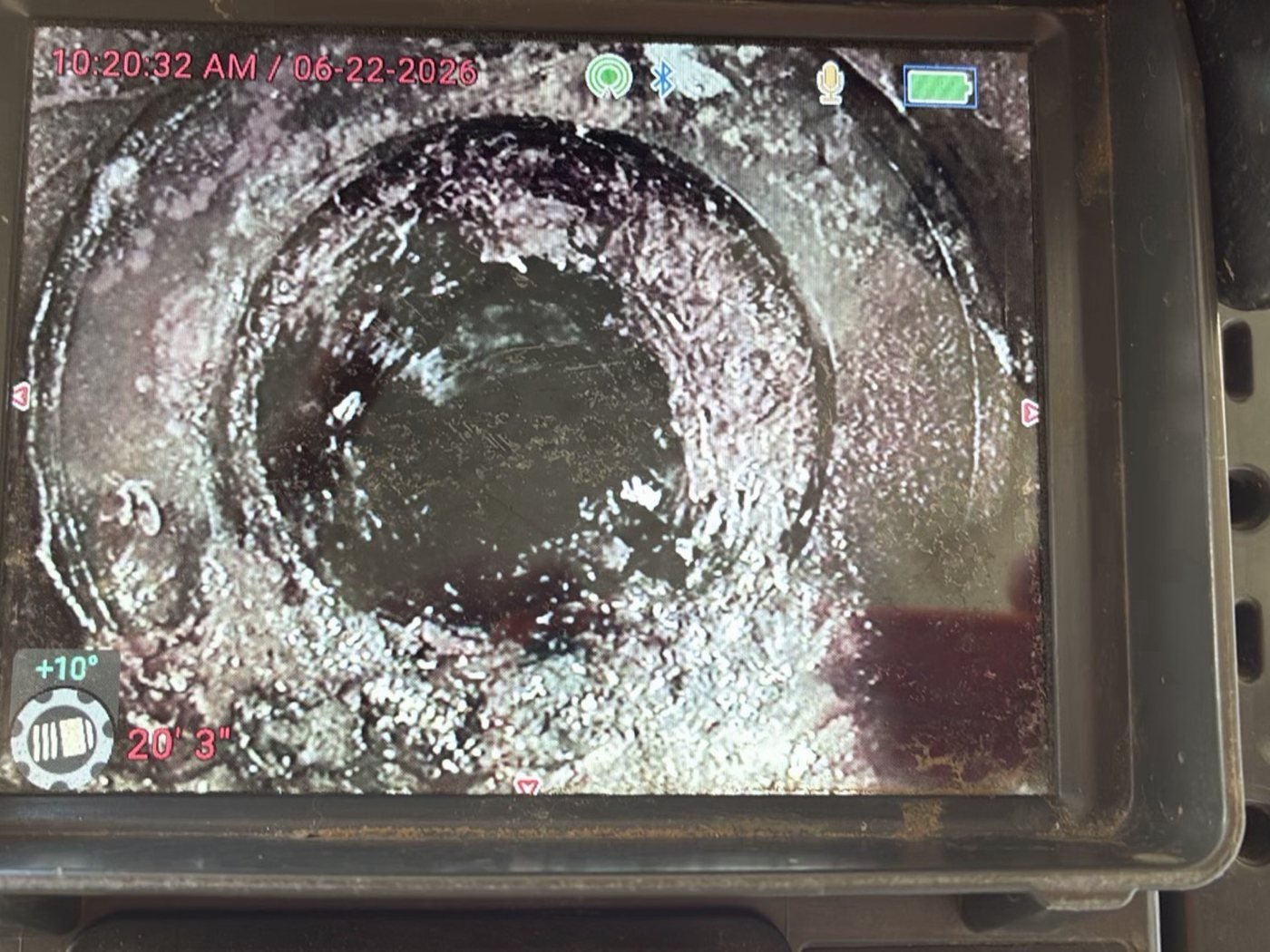
- Hardened construction debris — grout, mortar, and drywall mud left from the original build, narrowing the bore
- Glue dams and rough cuts at joints — excess solvent cement or a poorly reamed pipe end that snags solids, a workmanship leftover I see on production ABS
- Early root intrusion at couplings — fine roots starting into a settled or loose joint under the maturing street trees, caught early enough to plan around
- Sand and grit accumulation — fine sediment riding in on a belly and settling out, a sign the line isn't self-scouring the way good fall would keep it
The report separates a sound, well-flowing modern line from one with a belly that needs correcting, so your numbers reflect what actually drives cost — not just the home's age on paper.
How does the scope run and what report do I get?
It starts with a call to (619) 752-4399 or an email with the 4S Ranch address and the home's approximate age, so I can find the cleanout and plan the run before I arrive. Most of these slab-on-grade homes have an accessible exterior cleanout near the foundation, which makes for a clean, full-length scope. The visit usually rides along with the home inspection, so you get one trip and one report package.
On site I locate the cleanout, feed the camera in, and run the lateral toward the city main while it records continuously. You're welcome to watch the monitor with me. Seeing the camera nose dip and submerge in a belly, or stall at an offset, tells you far more than a line item — and it's the moment to sort a clean-and-monitor situation from one that needs the slab-line corrected.
You get a HomeGauge report with the recorded video and still captures, the pipe material confirmed, and every finding located along the run so a plumber can quote against it. In most cases it lands same day or next day, which matters on a tight 4S Ranch contingency clock. It's a video condition assessment — I don't hydro-jet, excavate, or line the pipe, and the report says so and tells you when to bring a licensed plumber in.
Why do 4S Ranch buyers have me run the camera?
On a newer home the read is the whole value — almost anyone can see water sitting in a belly, but calling whether it's a minor grade dip you monitor or a settled run that needs the slab line opened up takes someone who knows how these tracts were built. I'm Joseph Romeo, an InterNACHI Certified Professional Inspector (CPI), and I also hold a California CSLB General Contractor license (#1113143). That construction background is exactly what lets me tell a cosmetic snag from a settlement problem that's going to come back.
- 20+ years and more than 10,000 inspections across San Diego County, including the 2000s master-planned tracts of 4S Ranch and the wider 92127 corridor
- 4.9 stars across 121 Google reviews from buyers, sellers, and the agents who refer us
- Independent and conflict-free — I document the line's condition and I don't dig, jet, or bid the repair, so nothing on the video is steered toward selling you work
For the hydro-jetting, excavation, or pipe correction the camera points to, I refer a licensed plumber who can act on the exact footage — you're never handed a problem without a next step. Reach me directly at joe@sandiegohomeinspection.com or the number above.
Which inspections should I pair with my scope?
A sewer scope answers one buried question, and on a 4S Ranch home a few companion inspections are worth folding into the same visit:
- Full home inspection — the house above the slab: roof, structure, electrical, plumbing, and HVAC, usually run the same day as the scope — start at the 4S Ranch hub
- Slab and foundation review — valuable when the same fill settlement that's bellying the sewer line is also showing as cracks in the slab or stress at the stucco
- Thermal / infrared imaging — reads hidden moisture from a slab leak or a drain backing up under the floor, which a slab-on-grade home hides especially well
- Stucco and exterior moisture check — common on these stucco-clad tracts where flashing and weep details from the build can let water behind the wall
- Pool & spa inspection — worth bundling on the larger 4S Ranch lots where a built-in pool comes with the home and the same soil movement cracks decks
Send me the address and the home's age, and I'll tell you which of these genuinely apply before you spend on any of them — see all inspection services we offer or get a quote through contact.
4S Ranch Sewer Scope Inspection FAQs
Is a sewer scope worth it on a newer 4S Ranch home?
What does a sewer scope inspection in 4S Ranch include?
Why would a 2000s 4S Ranch lateral develop a belly?
Do you repair the sewer line or clear a blockage?
Will the scope find construction debris left in the line?
Does the sewer scope happen with the 4S Ranch home inspection?
What the camera sees
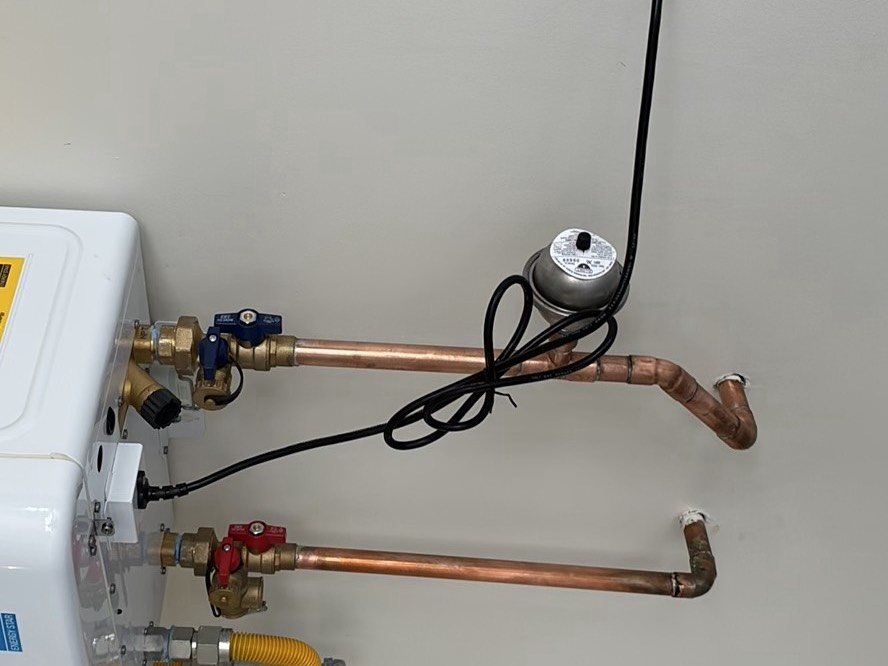
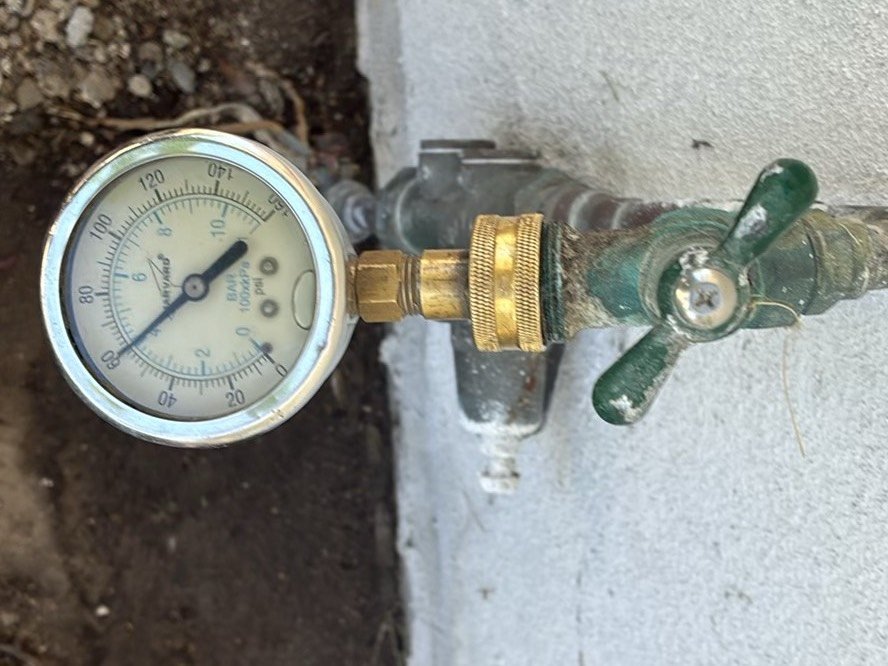
Sewer scope documentation from recent San Diego County inspections.
More inspections in 4S Ranch
- 4-point inspection in 4S Ranch
- Roof inspection in 4S Ranch
- Thermal imaging in 4S Ranch
- Foundation slab survey in 4S Ranch
- Home inspection in 4S Ranch
Nearby and countywide
Were You Happy With Your Inspection?
We are proud of our 4.9-star rating across 100+ Google reviews. If Joseph and the team did right by you, a quick Google review helps other San Diego County buyers and sellers find us.