
Pool & Spa Inspection in 4S Ranch, CA
4S Ranch is one of the newer master-planned communities in north San Diego County, most of it built out during the 2000s housing wave off Camino del Norte and Dove Canyon. That building era shapes the pools out here. Instead of a stock of 1970s plaster, you get pebble and quartz finishes installed when the houses were new, gunite spas spilling into the main pool, and equipment pads sized for the automation and salt systems that were standard by then. The community also runs shared amenity pools through its HOAs, and almost every home sits slab-on-grade with stucco and solar-ready wiring — which matters once you start tracing how a pool was bonded and powered. A pool here may only be fifteen or twenty years old, but a first finish reaching the end of its life, an equipment pad that has cycled hard against inland summers, and barriers that drifted out of compliance are all on the table.
I'm Joseph Romeo, and I inspect the pool and spa myself, on the same trip as the house or as a standalone booking. This is a visual evaluation of the shell, deck, equipment, electrical safety, and the barriers that keep a child out of the water — not a chemistry balance and not a pressurized leak test. For the whole-property picture, the 4S Ranch home inspection hub ties it together. Below I walk through what gets checked, the 4S Ranch-specific items I lean on hardest, and what tends to surface on these newer-build pools.
Call (619) 752-4399 Schedule an Inspection
What does a 4S Ranch pool and spa inspection cover?
This inspection records the visible, accessible condition of the pool structure, the equipment that drives it, and the safety systems wrapped around it. On a 4S Ranch property I document:
- Shell and interior finish — the pebble, quartz, or plaster surface checked for hairline cracking, delamination, hollow patches, mottling, and the rough or etched spots that show even a 2000s-era first finish nearing the end of its service life
- Deck, coping, and waterline tile — the surrounding hardscape for cracking and settlement, the coping cap for separation, and the tile band for loose or drummy pieces
- Visible circulation plumbing — skimmers, returns, valves, and the pipe runs exposed at the pad, looked over for seepage and corrosion (a visual review only, never a pressurized test)
- Pump, filter, and heater — the gear that moves and conditions the water, judged on age, condition, leakage, and operation, including the automation panel and salt cell these newer 4S Ranch installs usually carry
- Electrical bonding and GFCI protection — the equipotential bond grid and ground-fault protection on the pump and pool lighting, which is the single most safety-critical part of the visit
- Safety barriers, fencing, and gates — the enclosure, self-closing and self-latching gates, and door or window alarms held against California's drowning-prevention rules
- Anti-entrapment main-drain covers — compliant, unbroken covers that satisfy the federal VGB anti-entrapment standard
Balancing the water chemistry and running a pressurized leak-detection test fall to a separate specialist. Where the evidence on your 4S Ranch pool points that direction, I say so and recommend a licensed pool specialist rather than guessing past what a visual walk can confirm.
Why do newer 4S Ranch pools demand extra attention?
Because so much of this community went up in a single decade, its pools share a distinct set of pressure points. These are the items that earn extra minutes on a 4S Ranch walk:
- First finishes hitting their wall: a pebble or quartz surface installed in the mid-2000s is now reaching the age where the original finish starts etching, going hollow at the steps, or mottling. Buyers assume a newer pool means a fresh shell — I read the finish to tell you whether it has years left or a resurface is already due.
- Inland heat on the equipment pad: 4S Ranch summers run hot and long, well past the coast. That cooks the equipment pad, ages a heater's heat exchanger, and pushes pumps that have run automated schedules for years. I look hard at how the pump, filter, and heater have held up against that load.
- Slab-on-grade and deck movement: these homes sit slab-on-grade on graded pads, and the same soil that supports the slab carries the pool deck. I watch for deck cracking, settled walkways, and coping separation and sort it into cosmetic versus something worth tracking.
- Salt-chlorine corrosion: salt systems were common on 4S Ranch pools from the start, and salt accelerates wear on heater components, fasteners, light rings, and any nearby metal. I look for the corrosion that quietly shortens equipment life.
- HOA and community amenity pools: 4S Ranch runs shared pools through its associations, and those carry commercial-grade barriers, VGB drain-cover rules, and heavier equipment than a backyard pool. When that's in the picture I scope it differently and tell you what's the association's versus yours.
- Solar-ready wiring and added features: with solar-ready electrical standard out here, I check that pool circuits, added water features, and any solar pool heating were bonded and powered correctly rather than tapped in as an afterthought.
What problems tend to surface on 4S Ranch pools?
Across this newer housing stock the findings fall into a recognizable pattern. Knowing it before you sign lets you budget or negotiate rather than meet it the week after escrow:
- Aging first finishes — pebble and quartz surfaces etching, going rough, or sounding hollow at the steps and benches, even on pools owners think of as new
- Salt-driven equipment corrosion — scaled or rusted heater parts, corroded fasteners, and degraded light fixtures traced to a salt-chlorine system run for years
- Incomplete or broken equipotential bonding — the safety bond grid interrupted, corroded, or never reconnected after a pump or heater swap, a real shock hazard regardless of the home's age
- Missing GFCI protection — pump or pool-light circuits without ground-fault protection, sometimes from a later equipment change that skipped it
- Barrier drift — gates that no longer self-close or self-latch, fencing with a climbable low spot, and a slider alarm that was disabled or removed
- Out-of-date or damaged drain covers — cracked, faded, or expired main-drain covers that no longer meet the anti-entrapment standard
- Deck and coping cracking — settlement movement showing up as cracked decking, separated coping, and trip hazards on the graded pad
- Retrofit spas and water features — spillover spas, bubblers, or fire features added or re-plumbed without proper bonding
None of this is automatically a deal-breaker. I split the safety items and the big-ticket repairs from routine upkeep so your numbers reflect what actually drives cost.
How does the visit run and what report do I receive?
It starts with a call to (619) 752-4399 or an email with the address and a note that the property has a pool or spa, so I block the right amount of time. For full access the equipment should be powered and the pad reachable — if a gate code, an equipment-room lock, or a safety cover stands in the way, tell me ahead so nothing has to be deferred.
You're welcome to walk the pool alongside me. Standing at the pad while I point out a broken bond clamp, or at the gate while I show why it won't latch on its own, lands better than any line in a PDF. It's also the right moment to talk through which findings are safety items to handle now and which are maintenance to plan around.
The deliverable is a HomeGauge report with a photo on every finding, plain-language notes, and a summary that lifts the safety-critical items — bonding, GFCI, barriers, and anti-entrapment drain covers — out of the routine wear. I turn it around same day or next day in most cases, organized so you can pull repair requests straight out or hand the equipment list to a pool contractor without translation. It stays a visual condition report: I don't pressure-test buried plumbing or balance chemistry, and the report says so and tells you exactly when to bring in a pool specialist.
Why do 4S Ranch buyers and agents call me?
A pool inspection is only as good as the person reading the system. I'm an InterNACHI Certified Professional Inspector (CPI) and I hold a California CSLB General Contractor license (#1113143). That contractor's background is what counts at the equipment pad and the bond grid: I've built and repaired the systems I'm evaluating, so when I flag something I can tell you whether it's a weekend fix or a resurface-and-re-equip job measured in thousands.
- 20+ years and 10,000+ inspections across San Diego County, including the master-planned communities like 4S Ranch where backyard pools and shared HOA amenity pools sit side by side
- 4.9 stars across 121 Google reviews
- Independent and conflict-free — I assess the pool's condition and don't bid or perform the repairs, so nothing in the report is steered toward selling you work
For pressurized leak-detection, water chemistry, or a structural-shell question that needs an engineer, I coordinate or refer the right licensed specialist rather than pretend a visual walkthrough covers it. Reach me directly at joe@sandiegohomeinspection.com or the number above.
What inspections pair with a 4S Ranch pool check?
A pool rarely travels alone. On most 4S Ranch visits the pool inspection pairs with the broader work on the house, and I can line these up around a single trip:
- Full home inspection: the whole-house evaluation the pool work complements — roof, electrical, plumbing, HVAC, and structure — start at the 4S Ranch hub
- Thermal / infrared imaging: surfaces hidden moisture and overheating connections, useful around pool-equipment circuits, spa additions, and solar pool-heating tie-ins
- Roof inspection: a focused read on 4S Ranch roofs and rooftop solar aging under the same inland heat that wears the pool finish and equipment
- Slab and foundation evaluation: worthwhile on the graded slab-on-grade pads where the same soil movement that cracks a pool deck shows up at the house
- Sewer scope: a camera down the lateral, useful even on newer 4S Ranch parcels where a line was disturbed by landscaping or pool construction
- Pool leak detection and chemistry: the pressurized test and water balancing I don't perform — I recommend and coordinate a licensed pool specialist when the evidence calls for it
Not sure what your address needs? Send it over with a note on what's in the backyard and I'll tell you which of these genuinely apply before your contingency closes.
4S Ranch Pool & Spa Inspection FAQs
What does a pool and spa inspection cost in 4S Ranch?
My 4S Ranch pool is only fifteen years old. Does it really need an inspection?
Do you pressure-test the plumbing or balance the chemistry?
Why do you check the bonding, GFCI, and drain covers so closely?
Can you inspect an HOA or community amenity pool in 4S Ranch?
Should the pool equipment be running during the inspection?
Pools and equipment
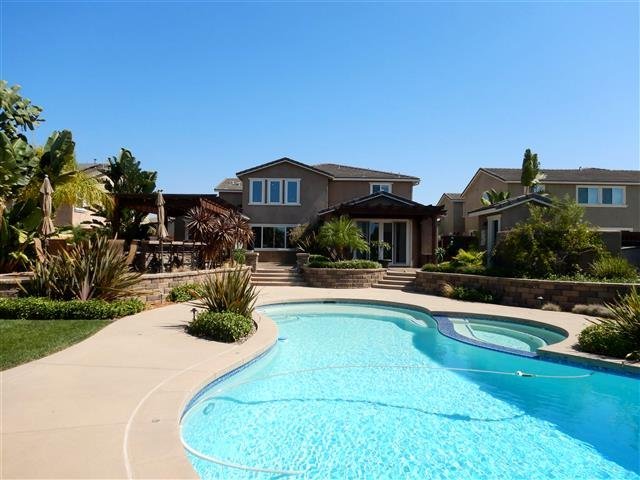
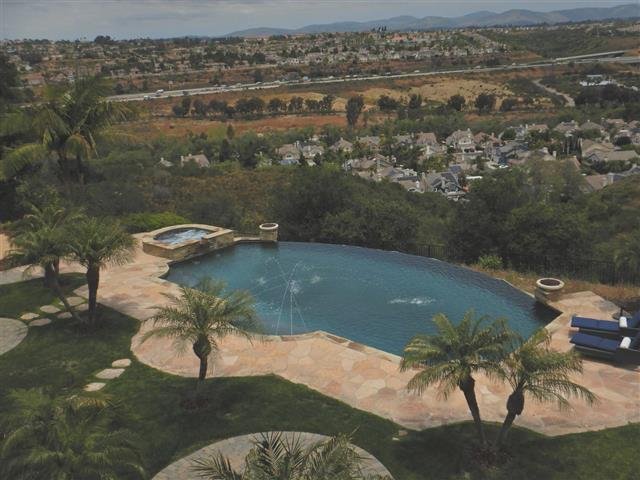
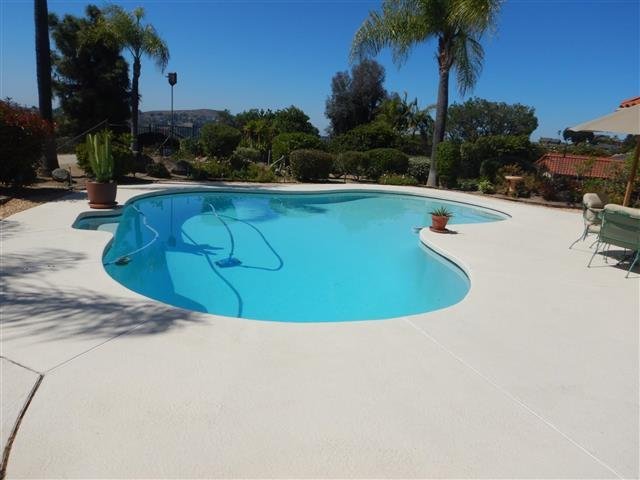
Pools, spas and equipment photographed during recent inspections.
More inspections in 4S Ranch
- SB 721 exemption letter in 4S Ranch
- Seller inspection in 4S Ranch
- Warranty inspection in 4S Ranch
- Commercial roof cleaning in 4S Ranch
- Home inspection in 4S Ranch
Nearby and countywide
Were You Happy With Your Inspection?
We are proud of our 4.9-star rating across 100+ Google reviews. If Joseph and the team did right by you, a quick Google review helps other San Diego County buyers and sellers find us.