
SB-326 Balcony Inspection in Rancho Bernardo, CA
Rancho Bernardo grew up as a master-planned community across the 1970s through the 1990s, and the hillside condos and attached townhomes that filled it — from the Oaks North and Seven Oaks senior villages to the wood-framed flats above Bernardo Heights — now carry elevated decks with thirty or forty years of inland sun on them. SB-326 puts a qualified inspector on those decks. Tucked inside the Davis-Stirling Act, it directs condominium and HOA-run communities to have their load-bearing Exterior Elevated Elements (EEE) and the waterproofing tied to them examined every nine years. The opening compliance date was January 1, 2025, and it falls hard on RB's deep stock of association housing.
Think of SB-326 as the condo-side companion to SB-721, the version aimed at rental apartments — same balconies, same water, separate statute. It asks a licensed inspector to review a statistically significant random sample of the association's EEE and produce a report the board files into its reserve study. We sample, document condition, and report; the repair belongs to a licensed contractor. What follows is how that plays out on RB's aging hillside associations, with the broader Rancho Bernardo inspection hub covering everything outside the balcony mandate.
Call (619) 752-4399 Schedule an Inspection
What does an SB-326 inspection cover across a Rancho Bernardo association?
The statute keeps a tight focus: the framing that holds residents off the ground and the membranes that keep it dry. Across a Rancho Bernardo common-interest development — terraced condo blocks off Bernardo Center Drive, townhome courts in West Bernardo, the clustered villas of the 55-plus communities — an SB-326 sample generally reaches:
- Cantilevered unit balconies and rear decks on upper flats — joists, the ledger fastening the deck to the building, and the walking surface.
- Elevated common walkways and breezeways serving second- and third-story units in the larger hillside blocks.
- Outdoor stair runs and mid-flight landings — stringers, posts, and connectors, a heavy feature on RB's terraced layouts.
- Railings on every raised element, tested for firm anchorage and whether they'd still resist a real push.
- The waterproofing envelope — deck coatings, counterflashing, sealant runs, and the drainage that decides whether the wood lasts another cycle.
What sets SB-326 apart is its random representative sample rather than a wall-to-wall walk: enough of each element type that results stand in fairly for the whole property. Rancho Bernardo's planned phases repeat the same balcony detail down a hillside row, which lets a carefully drawn sample legitimately speak for the group. Each sampled element gets a condition rating, a photo, and a useful-life estimate the reserve analyst can work from. We inspect and report — engineering any flagged repair is a separate scope we hand off.
How does Rancho Bernardo's hillside stock affect elevated decks?
This inland community shows a failure profile all its own — driven by terrain, age, and a dry interior climate, not ocean salt:
- Decades-old waterproofing at the finish line: coatings and sealant from these 70s-through-90s buildings have long outlived their rated window — an SB-326 walk routinely lands on membranes still in place but no longer sealing.
- Punishing dry-valley UV: long rainless summers embrittle elastomeric coatings and shrink caulk joints until the deck-to-wall seam splits, the first doorway water uses to reach framing.
- Expansive clay on a graded hillside: RB's cut-and-fill pads sit on soils that heave and settle seasonally, racking stair towers, tilting walkway posts, and backing out guardrail hardware.
- Wildland-urban-interface exposure: communities along RB's open-space canyon edges — the terrain the 2007 Witch Creek fire ran through — sit in the WUI, where weathered wood stairs double as ember traps.
- Slope drainage and irrigation: hillside runoff and landscaping watered against stair footings keep stringer and post bases damp long enough to feed rot the eye misses.
Which conditions turn up repeatedly on RB decks?
On Rancho Bernardo's terraced condos, townhome courts, and senior villas, the defects gather in familiar spots. Naming them ahead of time lets a board steer a reserve line toward the right fix:
- Weather-baked deck coatings — chalky, hairline-cracked, or worn to the substrate, worst where the balcony abuts the wall.
- Failed sealant at slider sills and railing penetrations, where original caulk dried and pulled loose under years of valley heat.
- Hidden ledger and rim dampness — staining or softness where the deck ties back, often masked behind sound-looking stucco.
- Rusted joist hangers and lag screws wherever a breached coating or irrigation overspray kept the connection wet.
- Loose, under-anchored guardrails no longer carrying their code load — an immediate safety call once it surfaces.
- Standing water on landings and walkways where slope settlement or clay heave flattened the drainage.
- Post bases buried in planter soil and bark — a recurring RB detail where landscaping was built up against load-bearing stair supports.
We draw a hard line between cosmetic age and anything touching load capacity, so a flagged item means a genuine structural or safety problem the board can stand behind.
How do we run it and what does the board receive?
It starts with a call to (619) 752-4399 or an email with the project address, building count, and a rough tally of balconies, walkways, and stair flights. A Rancho Bernardo association across fifteen terraced buildings scopes very differently than a tight townhome court, so we size the random sample and arrange entry — through the management company or board — for that property.
On the day, we work element by element through the sampled balconies, decks, walkways, stairs, and landings — reading framing, waterproofing, connectors, and railings — and photograph everything we touch. Where the signs point inward — a stained ceiling beneath a deck, a landing that gives underfoot, a coating split at a ledger — we mark where an intrusive opening is justified before repair design rather than guess at what the assembly hides.
The deliverable is a HomeGauge report that rates each sampled element, flags anything posing an immediate safety threat, estimates remaining useful life, and carries the full photo record — phrased in the EEE terms SB-326 and your reserve analyst expect, not a bare pass/fail line. Turnaround is usually same or next day. We report observed condition and nothing more: we don't draw or perform repairs, and we don't sign structural certifications on a building we inspect. Where a finding needs repair drawings or a stamped opinion, we say so and refer the right licensed engineer or contractor, keeping the report free of any repair-sale conflict.
Why do Rancho Bernardo boards bring Joseph Romeo in?
SB-326 restricts who may sign the inspection, and field-tested construction knowledge is what reads these assemblies correctly. Your inspection is handled personally by Joseph Romeo, an InterNACHI Certified Professional Inspector (CPI) who also holds a California CSLB General Contractor license (#1113143). Having built and rebuilt the ledger connections, stairs, and deck membranes he's now rating, he can tell a board whether a finding is a coating refresh or a framing repair an engineer has to design — the call that sizes a reserve contribution.
- 20-plus years and 10,000-plus inspections across San Diego County, RB's hillside condo and senior communities among them.
- 4.9 stars over 106 Google reviews from owners, boards, managers, and agents.
- Independent by design — we never bid the repairs we flag, so the report never nudges the association toward buying work.
- Reports built to slot straight into the reserve study and the running SB-326 record.
For the record: we're InterNACHI CPI and CSLB-licensed, not ASHI or CREIA members, and we don't post flat prices — the fee follows the community's size and how many elements the sample must cover. Pull up the fee schedule or send the address and building count for a number. Reach us at joe@sandiegohomeinspection.com or the line above.
Which related inspections suit Rancho Bernardo common-interest developments?
SB-326 settles the balcony question, but RB associations often want more examined on a single mobilization, and we can fold these into one trip:
- SB-721 balcony inspection — the matching EEE law for rental apartments; if an RB property is rental multifamily rather than a condo HOA, that's the controlling standard.
- Roof inspection — roof membrane and flashing share the same waterproofing logic protecting upper walkways and balconies.
- Thermal / infrared imaging — pinpoints concealed moisture behind deck coatings before anyone opens an assembly.
- Sewer scope — a camera run through the association's older laterals, where decades-old lines may hide root intrusion.
- Building-wide condition assessment — a wider read of common systems when capital work is planned alongside the EEE cycle.
- Structural / engineering review — referred out when a flagged element needs a stamped repair design.
Unsure which fit your project? Send the address and building count and we'll lay out what's worth booking before your cycle comes due. Browse all inspection services or open the fee schedule.
Rancho Bernardo SB-326 Balcony Inspection FAQs
Does my Rancho Bernardo condo association need an SB-326 inspection?
Our buildings date to the 1980s. Are they overdue?
Will you inspect every balcony in our RB community?
Why does the hillside terrain matter for our decks?
Can you repair the balconies you inspect for the HOA?
What does an SB-326 inspection cost for a Rancho Bernardo association?
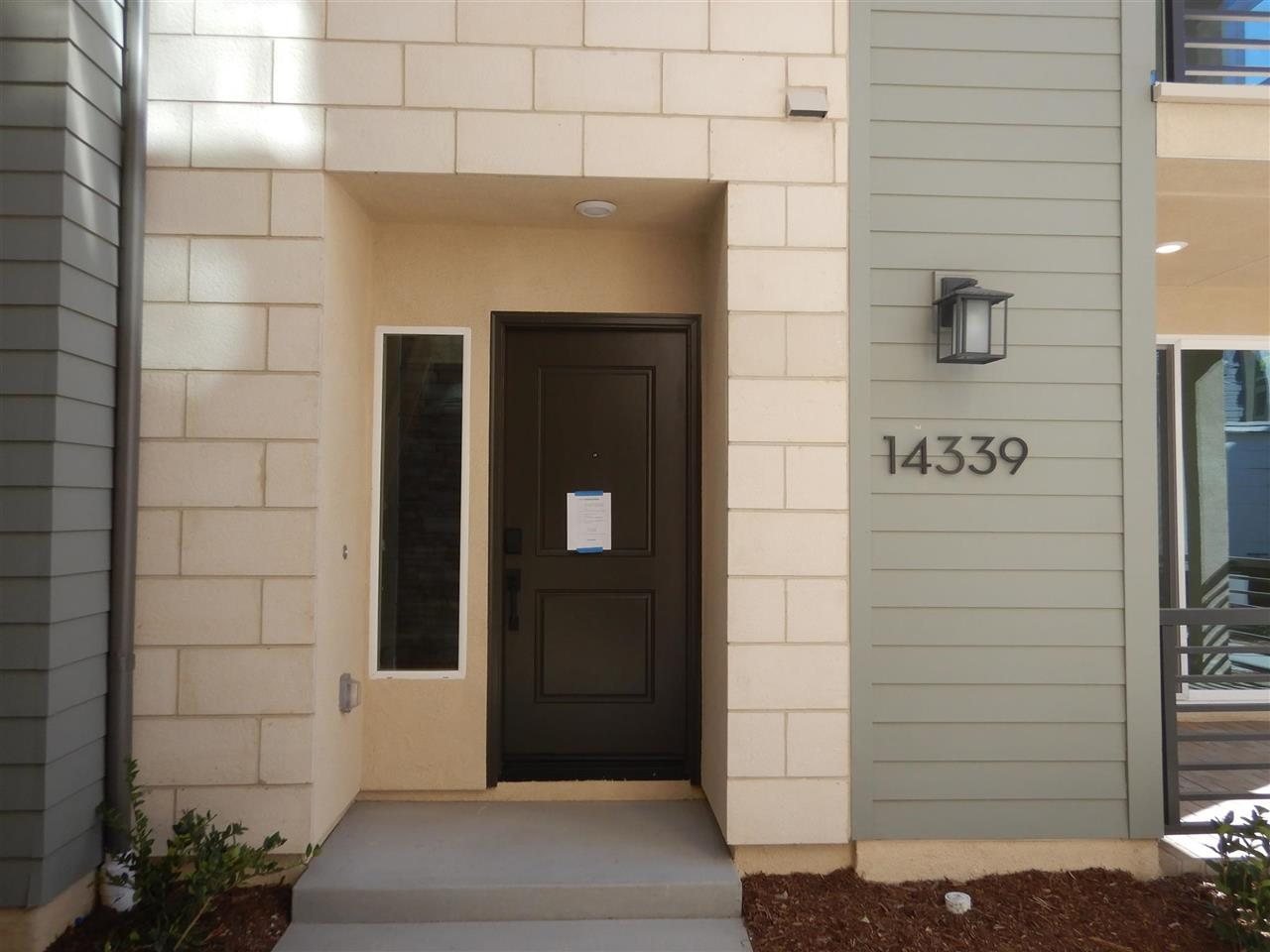
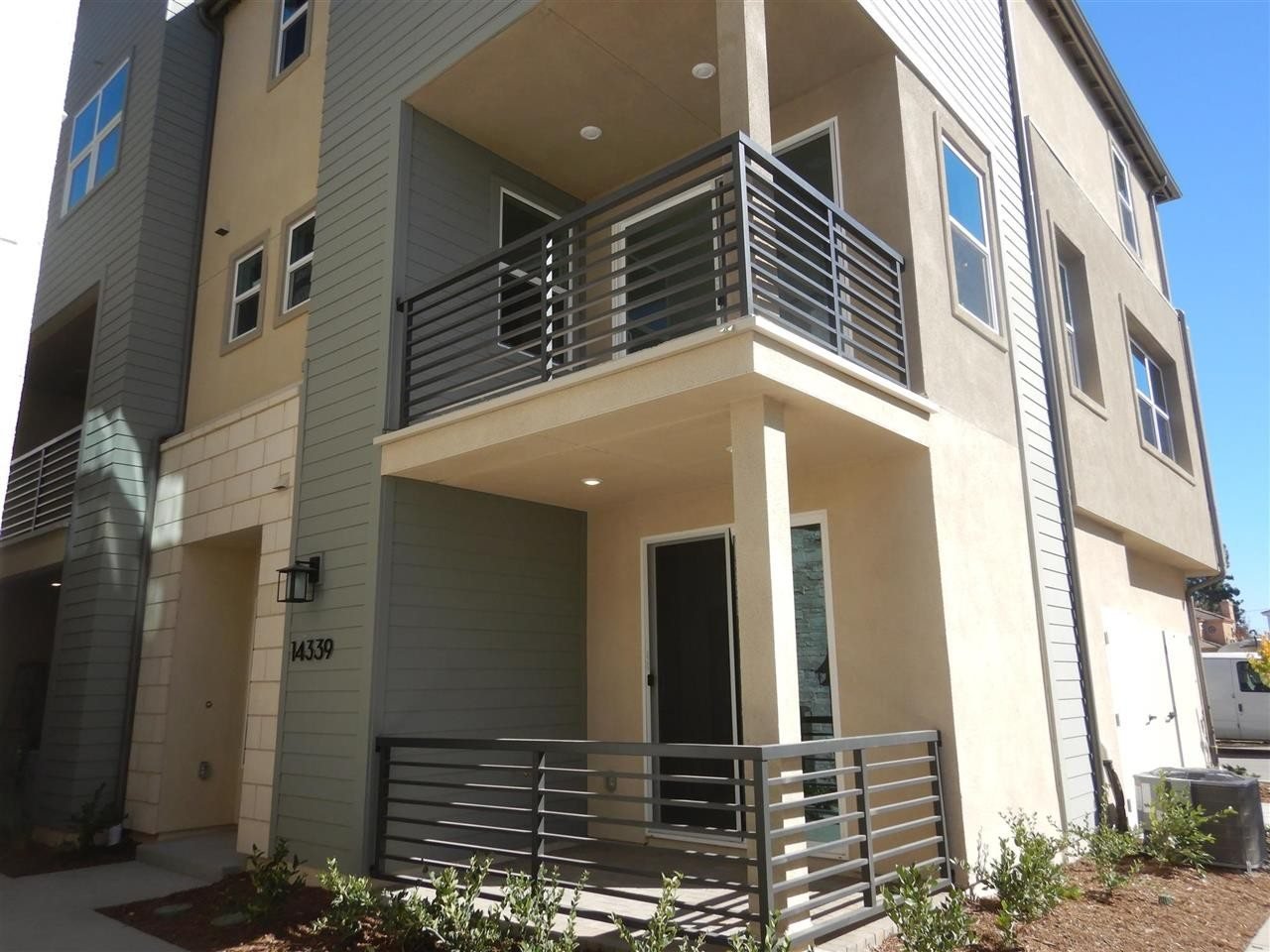
HOA properties we inspect
Condominium properties documented for SB 326 balcony compliance across San Diego County.
More inspections in Rancho Bernardo
- Warranty inspection in Rancho Bernardo
- Commercial roof cleaning in Rancho Bernardo
- Commercial inspection in Rancho Bernardo
- Pool and spa inspection in Rancho Bernardo
- Home inspection in Rancho Bernardo
Nearby and countywide
Were You Happy With Your Inspection?
We are proud of our 4.9-star rating across 100+ Google reviews. If Joseph and the team did right by you, a quick Google review helps other San Diego County buyers and sellers find us.