
SB-721 Balcony Inspection in Rancho Bernardo, CA
Rancho Bernardo grew up as a string of master-planned villages along the I-15 corridor — Bernardo Heights, Westwood, Oaks North, Seven Oaks — most of it built between the early 1970s and mid-1990s on the hillsides east and west of the freeway. The multifamily stock reflects that: wood-framed garden complexes set into graded hillside pads, age-restricted townhome clusters around Oaks North and Seven Oaks, and stucco apartment buildings off Bernardo Center Drive. Many carry the open exterior stairs, second-story balconies, and elevated walkways that California's SB-721 now puts on a mandatory inspection clock.
SB-721 is the state's Exterior Elevated Elements (EEE) law. It requires a qualified inspector to evaluate the load-bearing balconies, decks, exterior stairs, landings, and walkways — plus the waterproofing that keeps water out of the framing — and rate each one safe or unsafe with photographs for the owner and the County. The first inspection came due January 1, 2026 after AB 2579 reset the original deadline, and it recurs every six years. I'm Joseph Romeo, and I handle these inspections across Rancho Bernardo personally. The broader Rancho Bernardo inspection hub covers residential and other work; this page is specific to SB-721.
Call (619) 752-4399 Schedule an Inspection
What does an SB-721 inspection cover on a Rancho Bernardo building?
The statute is narrow: the Exterior Elevated Elements (EEE) that bear weight and stand more than six feet above the ground beneath them, plus the weatherproofing that shields them. On a Rancho Bernardo apartment or townhome property, my walk takes in:
- Balconies and projecting decks — joists, the ledger anchoring the balcony to the wall, support posts, and the surface coating meant to keep rain off the wood.
- Open exterior stairways — the wood stair runs reaching upper units across RB's hillside garden complexes, read at the stringers and how they tie in top and bottom.
- Landings and elevated walkways — the entry platforms and shared upper-floor corridors in the larger Bernardo Center Drive and Oaks North buildings.
- Handrails and guardrails — on every element above, judged on attachment and whether they hold under a lateral push.
- The waterproofing assembly — flashing, deck membranes, sealant joints, scuppers, and drainage, since a failure here is what eventually rots the wood beneath.
The work is principally visual, across a representative sample of each element type. Where what I see signals hidden trouble, SB-721 allows a small opening to verify the assembly internally — the intrusive step. Each element earns a documented safe-or-unsafe rating with photos. I evaluate condition only; the repair design for anything I flag belongs to a licensed engineer or contractor, and I don't perform it.
How do hillside terrain and inland exposure shape RB findings?
Rancho Bernardo's setting is its own diagnostic. A few conditions here earn close attention every time:
- Expansive hillside soils: RB's villages were carved into graded pads on clay-bearing slopes that swell in winter and shrink in the dry season. That heave works at stair footings, post bases, and landing supports over decades, racking guardrails and opening connections.
- 1970s-90s construction details: much of the rental stock predates current deck-waterproofing standards. Original membranes, flashing, and ledger details from that era have outlived their service life, and replacement coatings layered over them often hide what's failing underneath.
- Hot, dry inland climate: RB sits well inland of the marine layer, so deck coatings and sealant joints take a daily beating of UV and wide temperature swings — checking and splitting far faster than coastal exposure.
- Wildfire interface (WUI): complexes backing the canyons along RB's edges — the terrain the 2007 Witch Creek fire ran through — have exterior stairs and walkways that are also ember-exposed, so I note combustible debris at landings on both the SB-721 and fire-risk ledgers.
- Irrigation on graded slopes: the heavy landscape watering that keeps RB's hillside common areas green leaves stair stringers and footings chronically damp — a steady feeder of concealed rot.
What do I most often turn up on Rancho Bernardo EEE inspections?
Across RB's hillside garden complexes, the Oaks North and Seven Oaks townhome clusters, and the older Bernardo Center Drive apartments, the defects gather in the same spots. Knowing them ahead of a deadline lets an owner budget a repair instead of reacting under a re-inspection clock:
- Ledger rot behind intact paint: at the balcony-to-wall joint, decades-old flashing lets water creep into the ledger — the concealed failure SB-721 exists to catch before a balcony pulls away from the building.
- UV-spent deck coatings — cracked, chalked surfaces on upper balconies that stopped shedding water years ago and now feed the joists below.
- Hardened, split sealant at deck-to-stucco joints and post penetrations, the first breach in the waterproofing on these inland buildings.
- Racked guardrails and loose stair connections worked free by hillside soil movement — one of the most frequent safety calls.
- Corroded hangers and post bases rusted where irrigation overspray and damp soil keep the connection wet.
- Ponding on landings and walkways where slope has settled or scuppers have packed with debris.
I keep a hard line between cosmetic aging and a genuine load-bearing or safety defect, so a requires-repair rating reflects a real concern — and each is photographed, so what reaches you and the County is documented evidence, not an opinion.
How does the inspection run and what report do owners get?
It opens with a call to (619) 752-4399 or an email with the building address, unit count, and a rough tally of balconies, exterior stairs, and elevated walkways. A multi-building hillside complex off Bernardo Center Drive is a longer day than a small Oaks North fourplex, so I scope each property on its own terms and line up access to upper units and shared landings in advance.
On site I work each sampled element by hand: reading flashing and probing for soft wood at the ledger, checking coating and drainage across the deck faces, loading the rails to test attachment, and examining stringers, posts, and connectors under the stairs and landings. When a sign of hidden damage shows — a stain below a balcony, a spongy landing, a coating split at a stucco junction — I'll walk you through the small, repairable opening the intrusive step permits rather than guess at what's behind the finish.
You get a HomeGauge report that rates each element safe or unsafe, records the waterproofing condition, and ties every call to photos in the format the County and your files require — usually same day or next day. I don't draft repair plans, do the work, or sign structural certifications on a building I've inspected. When a finding calls for repair drawings or a stamped engineering opinion, I say so and refer the right licensed professional, which keeps the report independent.
Why do Rancho Bernardo owners and managers call me for this?
An SB-721 report stands on the judgment behind each safe-or-unsafe call — a missed rotten ledger is a liability, a false alarm is a repair bill nobody owed. Your inspection is done by me, Joseph Romeo, an InterNACHI Certified Professional Inspector (CPI) who also holds a California CSLB General Contractor license (#1113143). I've built and repaired the decks, ledgers, exterior stairs, and waterproofing I'm now rating, so when I call a connection unsafe I know what's behind the finish and what the fix demands.
- 20+ years and 10,000+ inspections across San Diego County, including RB's hillside garden complexes and the Oaks North and Seven Oaks townhome clusters.
- 4.9 stars across 106 Google reviews from owners, property managers, and agents.
- Independent and conflict-free — I inspect and report; I don't sell you the balcony repair, so nothing in a rating points toward work I'd profit from.
For the record: I'm InterNACHI CPI and CSLB-licensed, not an ASHI or CREIA member, and I don't post flat prices because the fee follows building size and element count. Reach me at joe@sandiegohomeinspection.com or the number above.
Which related inspections suit Rancho Bernardo multifamily owners?
SB-721 settles the balcony mandate, but owners and buyers of RB multifamily property usually have more worth covering in a single visit, and I can coordinate them together:
- SB-326 balcony inspection — the parallel EEE law for condominium and HOA-governed buildings. Many of RB's Oaks North and Seven Oaks communities are common-interest developments, and for those SB-326 applies instead of SB-721.
- Full apartment / multifamily inspection — roof, electrical, plumbing, HVAC, and structure when you're acquiring or refinancing a complex.
- Thermal / infrared imaging — reads concealed moisture behind deck coatings and at stucco-to-ledger junctions before the wood is opened.
- Roof inspection — the coverings and flashing that shed onto the same walkways and balconies, especially on RB's aging 70s-90s low-slope sections.
- Sewer scope — a camera down the laterals on older RB parcels where original clay or cast-iron lines hide root intrusion.
Send the address, the unit count, and whether the building is an apartment or a condo, and I'll tell you which of these apply. Browse all inspection services or check the fee schedule.
Rancho Bernardo SB-721 Balcony Inspection FAQs
Which Rancho Bernardo buildings need an SB-721 inspection?
My building dates to the 1980s — does that change anything?
When was the SB-721 deadline for Rancho Bernardo apartments?
Will you cut into the balcony to inspect it?
What happens if an element is rated unsafe?
Does Rancho Bernardo's hillside soil really affect balconies?
Properties we inspect
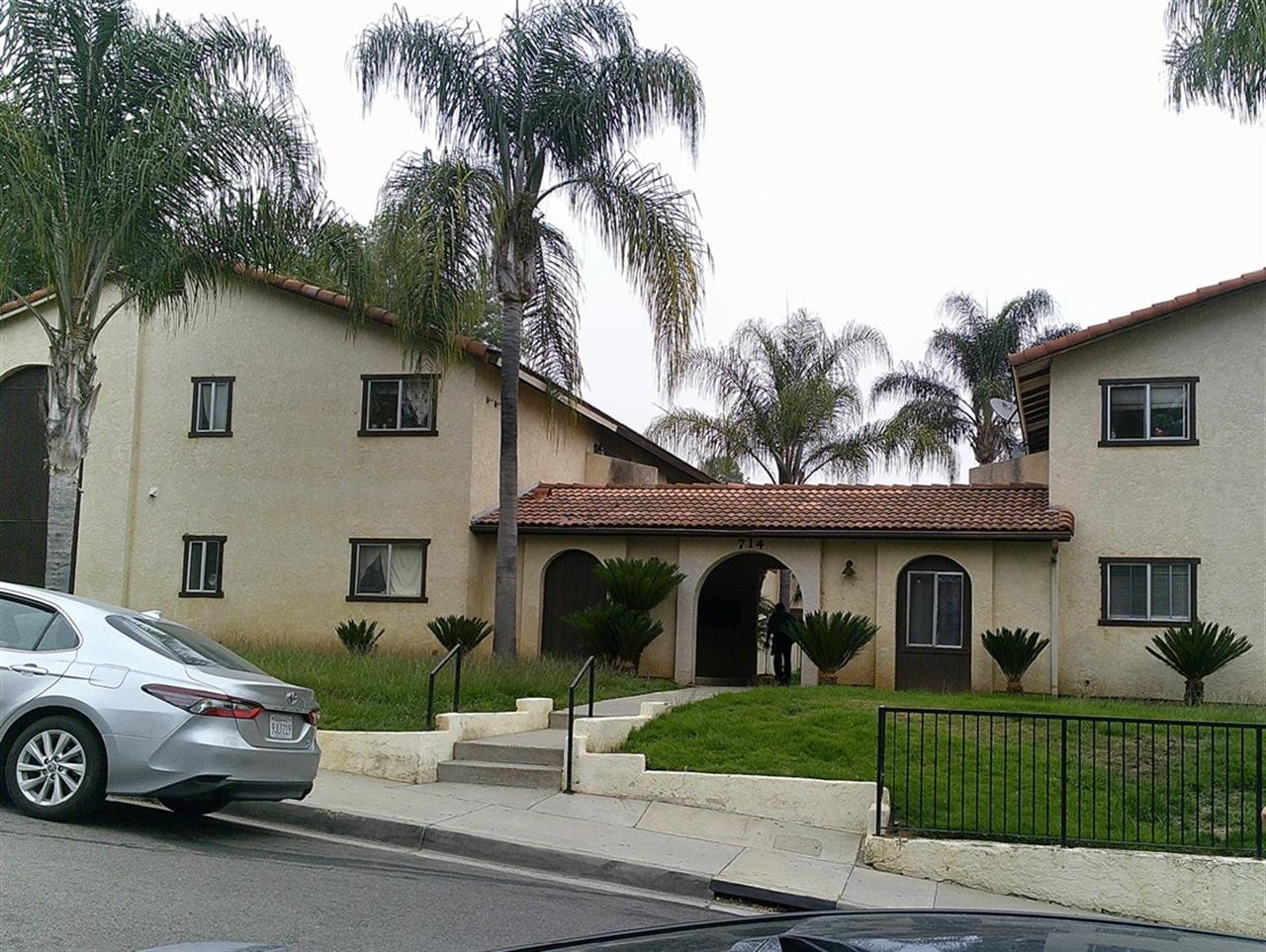
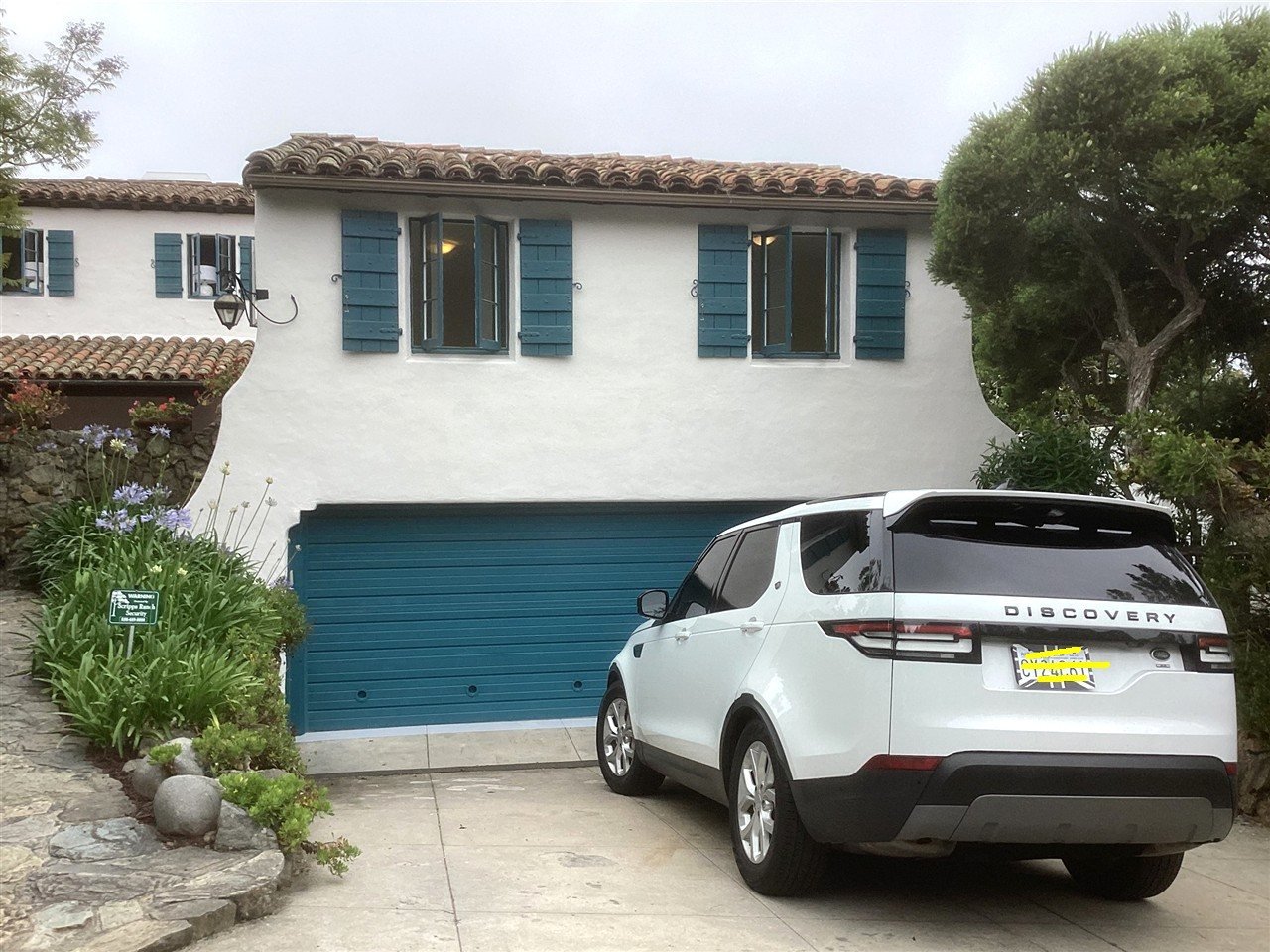
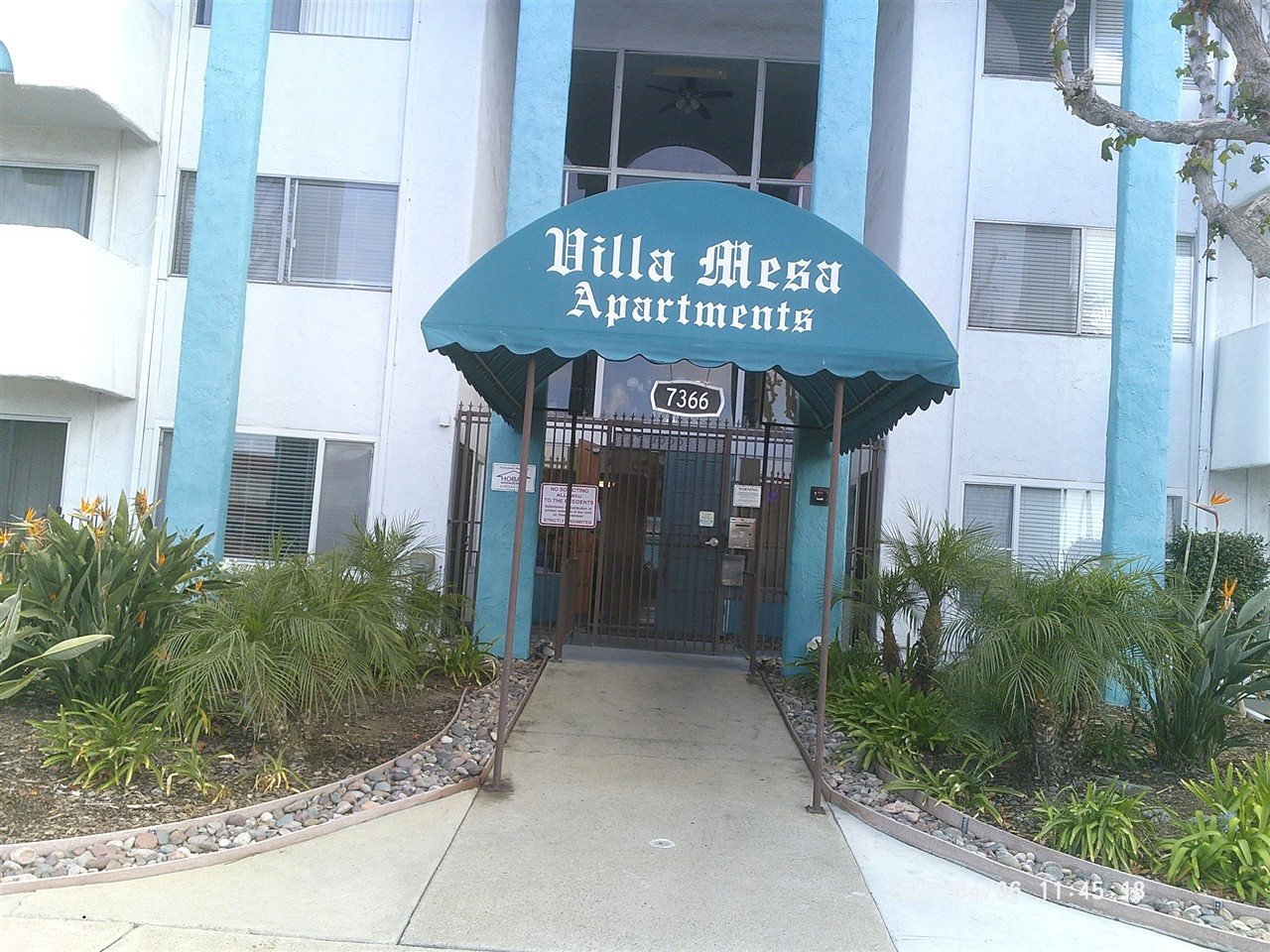
Multi-unit properties documented for SB 721 balcony compliance across San Diego County.
More inspections in Rancho Bernardo
- Roof inspection in Rancho Bernardo
- Thermal imaging in Rancho Bernardo
- Foundation slab survey in Rancho Bernardo
- SB 326 balcony inspection in Rancho Bernardo
- Home inspection in Rancho Bernardo
Nearby and countywide
Were You Happy With Your Inspection?
We are proud of our 4.9-star rating across 100+ Google reviews. If Joseph and the team did right by you, a quick Google review helps other San Diego County buyers and sellers find us.