
SB-721 Exemption Letter in Rancho Bernardo, CA
If you own apartments in Rancho Bernardo and a reminder about California's balcony-safety law landed in your mailbox, your first question shouldn't be how much an inspection costs — it's whether you owe one at all. SB-721 only reaches rental buildings of three or more units that carry wood-framed, load-bearing walking surfaces raised more than six feet above the ground: balconies, exterior stairs, landings, elevated walkways. A good share of Rancho Bernardo's attached housing doesn't have those, and a large share of it is condominium stock governed by an association, which puts it under SB-326 instead. In either situation the right deliverable is a documented exemption letter, not a balcony inspection you don't need.
I'm Joseph Romeo. I do the walk-through and write the applicability letter myself. This page lays out what that letter establishes, why Rancho Bernardo's particular 1970s-through-1990s planned communities throw off so many legitimate exemptions, what turns up when I assess a building here, and how the determination is documented for the City of San Diego and your own records. The Rancho Bernardo inspection hub covers everything else. Plainly stated up front: I assess and document — I don't waive a legal requirement, and if the building genuinely triggers SB-721, I'll say so.
Call (619) 752-4399 Schedule an Inspection
What does the exemption letter establish?
An exemption letter isn't a repair report and it isn't a pass-fail certificate. It's a documented determination — written, photographed, and signed — of why SB-721 does not reach your Rancho Bernardo building. To get there I work through a short, defined set of questions:
- Does the unit count even trigger the law: SB-721 starts at three rental dwelling units; duplexes and smaller owner-held parcels sit below it
- Are there qualifying elevated elements at all: a survey for wood-framed balconies, exterior stairways, landings, and walkways that rise more than six feet above grade
- What is each elevated element made of: concrete, masonry, or steel landings and stairs fall outside the wood-framed scope the statute was written around
- Is this an apartment or a condo: association-governed common-interest developments answer to SB-326, a separate track, rather than the SB-721 landlord mandate
- Does the height clear six feet on a hillside lot: on Rancho Bernardo's graded slopes the same landing can sit at grade on one side and well above it on the other, so the measurement decides the question
What you receive states the grounds for exemption in plain English, backed by photographs of the relevant exterior. It's built to be filed and handed over — not to grant relief from any law, but to show, on evidence, why the law doesn't apply.
Why do Rancho Bernardo's planned communities produce exemptions?
Rancho Bernardo was master-planned and built out in waves from the early 1970s through the 1990s, and that history shapes the exemption question in ways a denser, older coastal city never would. These are the local patterns I weigh on a property here:
- Condominium and PUD stock under an HOA: a large part of RB's attached housing — the townhome rows and condo clusters around Bernardo Center Drive, Westwood, and the Oaks North and Seven Oaks senior communities — is association-governed, which routes it to SB-326 and out of SB-721 entirely.
- Hillside, terraced site planning: the community was laid out across graded slopes, so many ground-oriented units sit on stepped pads where entries and patios meet grade and never reach the six-foot elevated threshold.
- Era-typical construction: plenty of the 70s-80s walk-up courts here used concrete or masonry stair runs and landings rather than the wood-framed assemblies SB-721 targets, even where the unit count would otherwise apply.
- Garden and two-story walk-up layouts: the smaller rental complexes off Rancho Bernardo Road and Pomerado Road often put every door at or near grade, leaving no qualifying balcony anywhere on the parcel.
The expansive clay soils that move foundations here, the aging 40-plus-year systems, and the wildfire urban-interface edges along the canyons all matter to an owner — but none of them change SB-721 status. They're simply why a clean, documented exemption letter is worth having on file when an insurer or lender starts pressing about an older inland building.
What turns up when I walk an RB building?
An applicability walk-through is focused, but it's done on foot with a tape, not guessed from the curb. Across Rancho Bernardo complexes the determinations fall into a few recurring shapes:
- A clean, no-qualifying-elements case — a terraced garden court where every entry and patio meets grade and nothing rises past six feet; the straightforward letter
- A misfiled condo — an owner who got an SB-721 notice on what's actually an HOA-governed common-interest development that belongs under SB-326
- Concrete that reads as a balcony — poured or block landings and stairs that look elevated from the street but aren't the wood-framed walking surfaces the statute covers
- A hillside borderline — a landing hovering right around six feet because the pad steps down behind it, which I measure rather than eyeball, since the threshold settles the whole call
- A genuine trigger — one rear wood stairway or a handful of wood balconies that do qualify, where the honest answer is an inspection for that element, not a blanket exemption
I document what's present and what's absent with the same care, and I photograph the basis for each call. A letter is only worth filing if the reasoning behind it can satisfy the person who eventually questions it.
How does the assessment run and what letter do you get?
Start with a call to (619) 752-4399 or an email with the property address, the unit count, and a quick note on the building — condo or rental, garden court or two-story walk-up. From that and a look at the structure I can usually tell you before I drive out to Rancho Bernardo whether you're looking at an exemption letter or a full inspection, so you're not paying for a visit pointed the wrong direction.
On site I walk the entire exterior, inventory every balcony, stair, landing, and walkway, identify each as wood-framed or non-combustible, and measure the heights that sit near the six-foot line on RB's stepped pads rather than approximate them. I confirm the unit count and whether the property is an apartment or a common-interest development, because that single fact often decides which statute governs. You're welcome to walk it with me — standing at a landing while I explain why a concrete-on-grade surface falls outside SB-721 makes the letter mean more than a PDF in your inbox.
The deliverable is a signed exemption letter with supporting photographs, written so a City of San Diego code officer, a lender, or an insurer can read the basis — unit count, walking-surface survey, construction type, SB-326 status — without needing me to narrate it. In most cases it lands same day or the next day. If the building turns out to trigger SB-721, you get a straight answer and the scope of the inspection you actually need, not an upsell.
Why do Rancho Bernardo owners have me document it?
An applicability determination is something a lender, insurer, or code officer will lean on, and getting it wrong cuts both ways — claiming an exemption a building doesn't have is real exposure, and paying for an inspection you never owed is wasted money. I'm an InterNACHI Certified Professional Inspector (CPI), and I hold a California CSLB General Contractor license (#1113143). That builder's background is the whole point on an exemption question: I've framed the decks, landings, and exterior stairs the statute describes, so I can separate a load-bearing wood-framed balcony from a concrete landing or a non-structural feature — the exact distinction the letter turns on, and an easy one to miss on a terraced RB lot.
- 20+ years and 10,000+ inspections across San Diego County, including Rancho Bernardo's condo clusters, senior communities, and garden walk-up courts
- 4.9 stars across 106 Google reviews
- Independent and conflict-free — I document the building's status and I don't bid or perform repairs on it, so nothing steers the finding toward billable work
I assess and document; I don't waive any legal requirement, and I won't write an exemption a building hasn't earned. Reach me directly at joe@sandiegohomeinspection.com or the number above.
Which related inspections suit Rancho Bernardo multifamily owners?
An exemption letter answers one question. Depending on the building and why the question came up, a focused add-on often makes sense, and I can line these up around the same Rancho Bernardo visit:
- SB-721 balcony inspection: the full elevated-element evaluation when the building does carry qualifying wood-framed balconies, stairs, or walkways
- SB-326 balcony inspection: the parallel mandate for the HOA-governed condos and townhomes that make up so much of RB's attached stock
- Multi-unit / apartment inspection: a broader read on roofs, systems, and units in an aging RB complex before a purchase or refinance
- Thermal / infrared imaging: to find hidden moisture behind stucco and at deck-to-wall connections on 40-plus-year buildings
- Roof inspection: a closer look at the tile and low-slope coverings worn by RB's inland sun and Santa Ana exposure
- Sewer scope: a camera down the laterals on older Rancho Bernardo parcels where original lines hide root intrusion
Not sure which apply? Send the address and unit count and I'll tell you what's genuinely worth doing before you spend on any of it.
Rancho Bernardo SB-721 Exemption Letter FAQs
How do I know whether my Rancho Bernardo building needs an exemption letter or a full SB-721 inspection?
My RB property is a condo or townhome under an HOA. Doesn't SB-326 apply instead?
How does Rancho Bernardo's hillside terrain affect the exemption call?
Does an exemption letter mean I'm permanently off the hook?
Will the City of San Diego or my insurer accept the letter?
What if part of my RB building qualifies but most of it doesn't?
Properties we evaluate
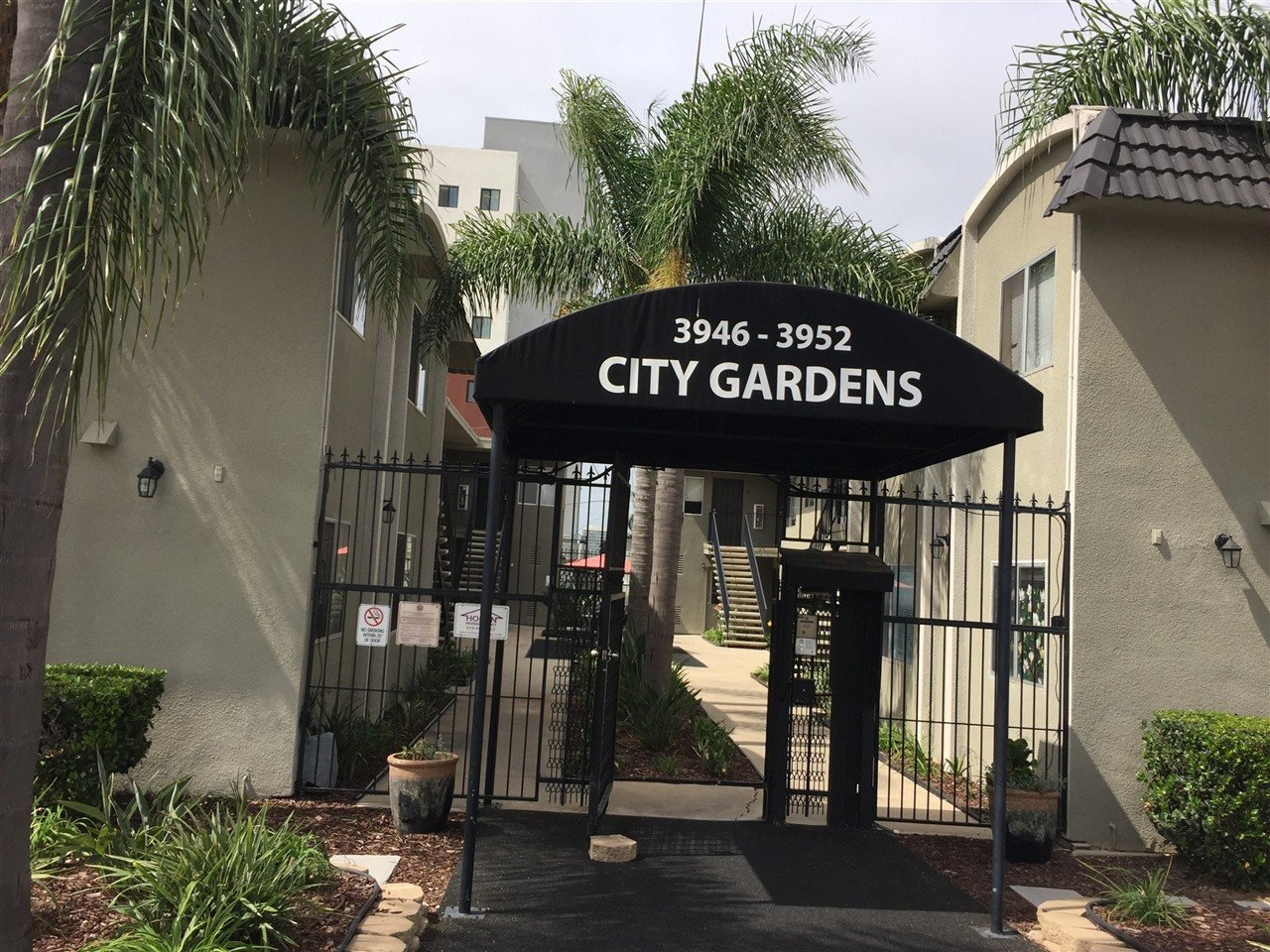
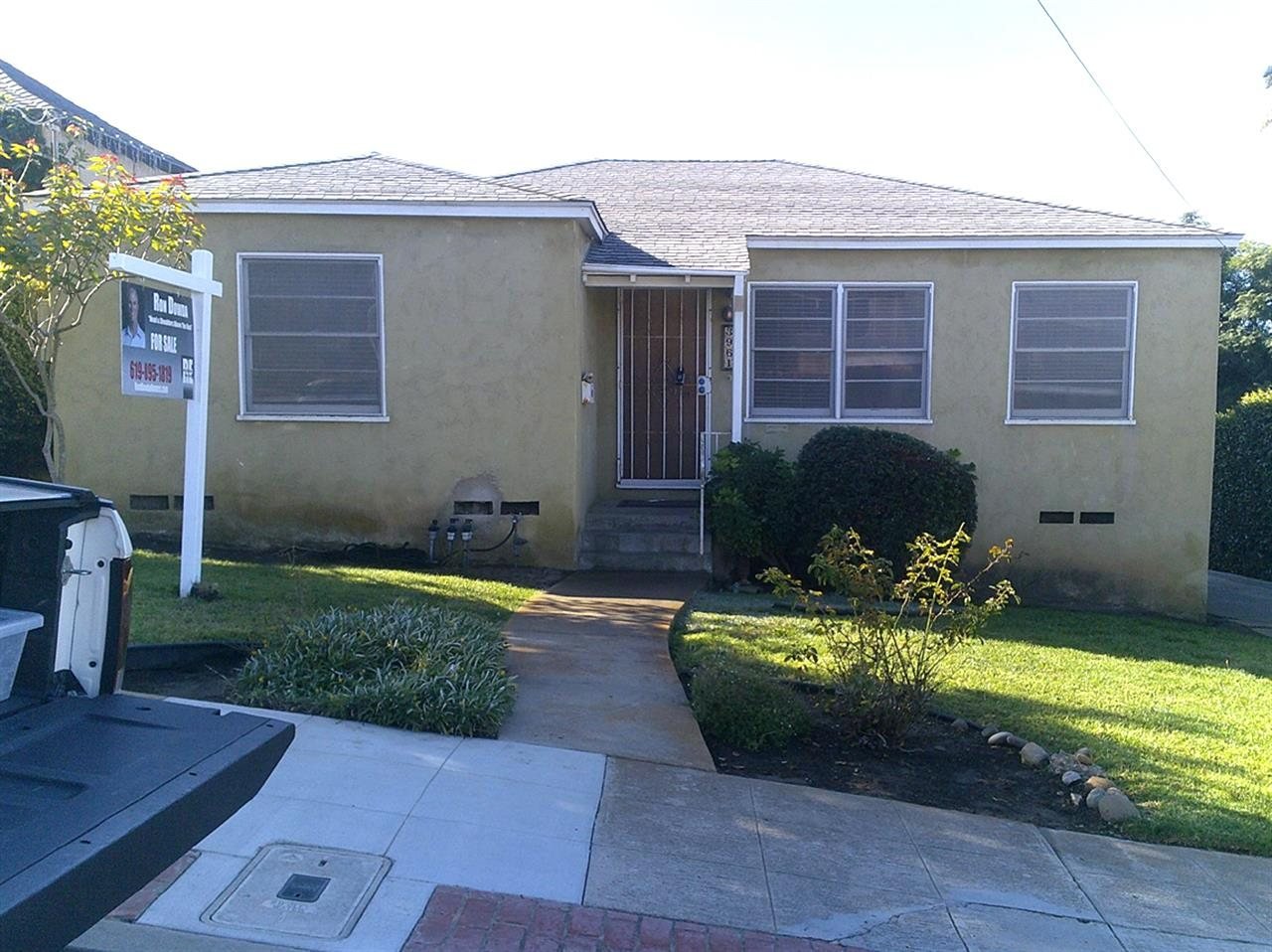
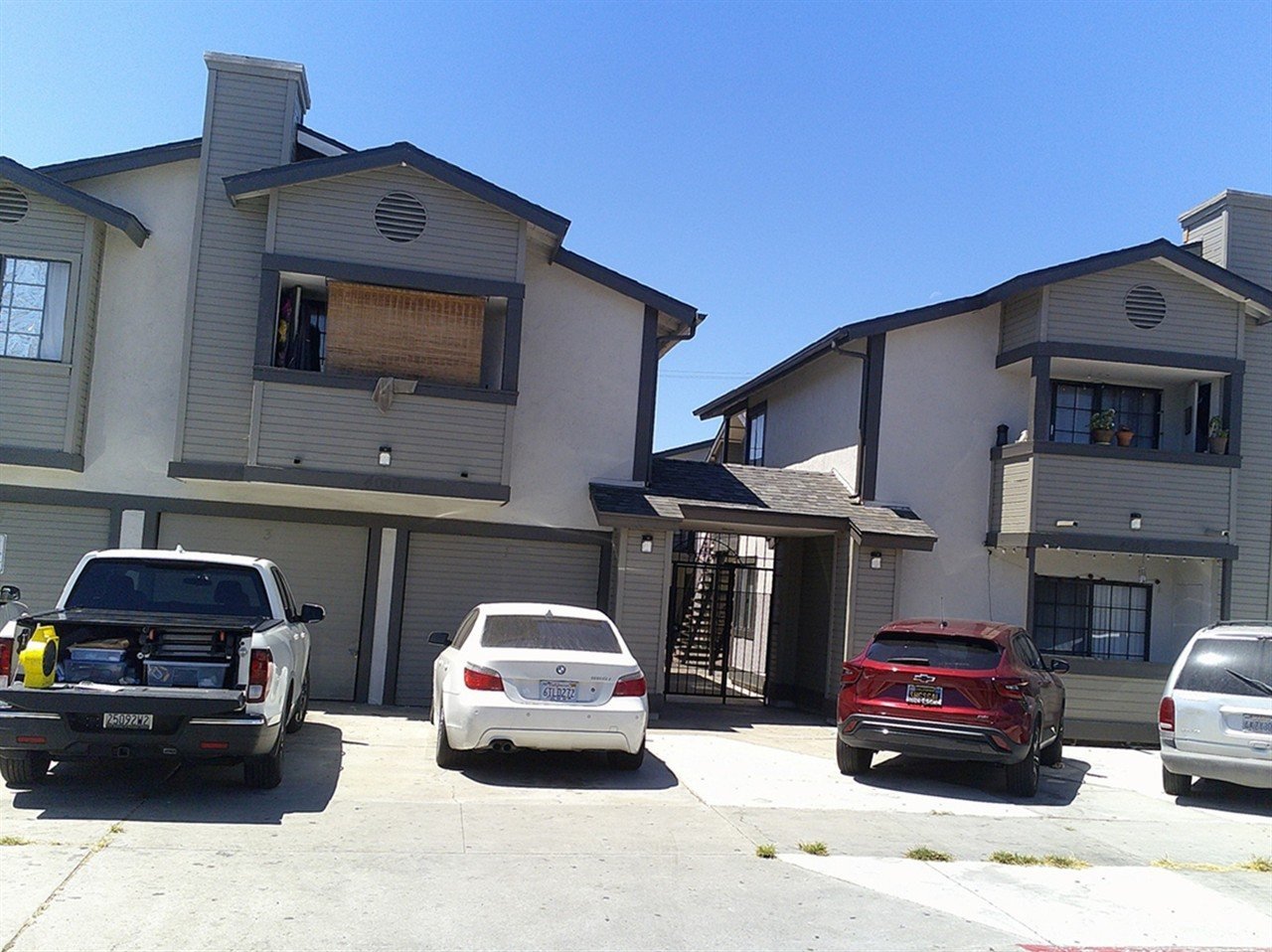
Properties evaluated for SB 721 exemption letters across San Diego County.
More inspections in Rancho Bernardo
- Pool and spa inspection in Rancho Bernardo
- Sewer scope inspection in Rancho Bernardo
- 4-point inspection in Rancho Bernardo
- Roof inspection in Rancho Bernardo
- Home inspection in Rancho Bernardo
Nearby and countywide
Were You Happy With Your Inspection?
We are proud of our 4.9-star rating across 100+ Google reviews. If Joseph and the team did right by you, a quick Google review helps other San Diego County buyers and sellers find us.