
11-Month Warranty Inspection in Santee, CA
Most of Santee was framed up in the 1970s and 80s — block after block of single-story tract homes spreading across the San Diego River valley floor — so a genuinely new house here stands out. The new construction that does exist sits in a handful of recent pockets: the master-planned hillside builds on the Weston and Sky Ranch side near Fanita, scattered infill where an old lot was scraped and rebuilt, and the newer detached and attached product going up off Cuyamaca and Mast Boulevard. If you closed on one of these about a year ago, your builder's first-year warranty is days from running out, and it won't remind you.
I'm Joseph Romeo. An 11-month warranty inspection is a full home inspection scheduled into month 10 or 11, while the builder is still legally on the hook to repair workmanship and system defects at no charge. It's the same whole-house scope I'd run for any buyer — roof, structure, electrical, plumbing, HVAC, grading, finishes — but every finding is written to line up with what the builder warrants, photographed and located so their warranty desk can act without a debate. Below: what the inspection reaches, why a year-old Santee home develops defects, what keeps surfacing, how the report works, and where my scope stops.
Call (619) 752-4399 Schedule an Inspection
What does the warranty inspection reach on a new Santee home?
This is a complete inspection, not a quick punch-list lap around the house. The difference is the target: I'm after the workmanship and system defects your first-year coverage was written to repair, each one documented so it holds up when you file. On a year-old Santee home I work the whole structure:
- Foundation and slab as built — Santee's newer homes sit on slab-on-grade and post-tension slabs over valley soil, so I read cracking, floor level, and slab movement against the foundation the home was actually poured on.
- Roof and attic — concrete tile or composition covering for slipped or under-driven pieces, flashing at vents and valleys, and attic insulation and ventilation that settled or came up short after one valley summer.
- Electrical — panel directory accuracy, GFCI and AFCI coverage, and the outlets, switches, and fixtures that get rushed in a build's final week.
- Plumbing — supply and drain fittings, water-heater setup and seismic strapping, hose bibs, and the slow weep under a cabinet that stays hidden until someone opens the door.
- HVAC — cooling and heating run in operation, duct connections, room-to-room balance, and condensate routing — all of it pushed hard by Santee's inland heat.
- Exterior and lot — stucco cracking, weep-screed clearance above grade and hardscape, and grading meant to carry runoff away from the foundation toward the valley floor.
Each item lands in the report with a location and a photo a warranty rep can act on. I document observed condition; I don't bid the repair or pick up a tool.
How do Santee's valley soil and heat surface year-one defects?
A new house spends its first twelve months reacting to its soil and its climate, and Santee's spot on the valley floor hands a home a particular stress test:
- Expansive valley soil: the San Diego River valley laid down soils that swell when wet and shrink as they dry, and a new Santee home rides through that full cycle in year one. The movement shows as slab and stucco cracking, racked door frames, and separating drywall seams — textbook first-year warranty items when they're documented before coverage closes.
- Hard inland heat: Santee bakes well hotter than the coast through summer, and that first season is the real test of a new AC system and roof. An undersized or poorly ducted system run flat-out for months shows itself fast, while caulk joints open and roof-penetration sealant thins under the heat load.
- River-bottom grading and drainage: with the valley floor as the low point and the rainy season funneling runoff through it, first-year soil settlement can leave the final grade pitching water back toward the slab instead of away — a drainage defect the builder is obligated to correct.
- Hillside cut-and-fill pads: the newer Weston and Sky Ranch builds sit on graded hillside lots above the valley. Settlement at the engineered fill, and grading that wasn't shaped to shed the season's rain off the pad, is a recurring finding on those slopes.
Which defects keep repeating on year-old Santee homes?
Across the new Santee homes I document, the same warranty-period findings come up again and again. Most look cosmetic and are genuinely the builder's to fix; a few matter more. Knowing the pattern is how you avoid eating the cost after coverage lapses:
- Soil-movement cracking — hairline-to-wider cracks in slab, stucco, and drywall as the home settles through its first wet-and-dry cycle on valley soil, plus doors and windows racked out of square.
- Nail pops and telegraphing seams — framing drying and shrinking through the valley's hot days and cooler nights, ridging drywall seams and backing fasteners out through the paint.
- Stucco hairlines and weep-screed problems — cracks at window corners, plus screed set too tight to grade or buried under fresh hardscape.
- Grading that drifted back toward the house — soil settled or pitched toward the foundation instead of out toward the valley, a real concern on the hillside fill pads.
- HVAC that can't keep up — rooms that won't hold temperature, loose duct connections, and condensate routed poorly — obvious after one full inland cooling season.
- Roof and flashing misses — slipped tiles, backed-out fasteners, and thin sealant at penetrations on a roof fresh off a hard Santee summer.
- Loose-end finish and plumbing items — unsealed grout, drips under sinks, GFCI gaps, and fixtures left loose in the final rush.
I draw the line between normal first-year settling and a defect the builder owes you, so what you submit is a list a warranty rep takes seriously instead of waving off.
How does the visit run and what do you hand the builder?
Start with a call to (619) 752-4399 or an email with the Santee address, the builder, and your close date. That close date is the deadline, so book with a few weeks of cushion — you want room to file before the twelve-month mark, and many builders run their own claim form with a cutoff earlier than the anniversary, so pull that paperwork before I come out.
On site I run the full house methodically: up on the roof and into the attic, room by room for drywall and finish movement, at the panel and every GFCI, under the sinks and at the water heater, and through the cooling and heating while it's actually running — which in Santee's heat tells you plenty. I read the exterior stucco, the weep screed, and the lot grading against whichever foundation the home was poured on. A full inspection takes the time it takes; I don't skim it because the house is new.
You get a complete HomeGauge report, in most cases same day or next day, every finding located and photographed in plain language a builder's warranty desk can act on without a translator. Plenty of owners forward it straight to the builder as their submission. The report documents condition — I don't perform the repairs or re-grade a lot myself; it tells you and the builder exactly what needs their crew's attention.
Why do Santee owners have me make the call?
A warranty report only works if the builder can't brush it aside, and that comes down to the judgment behind each finding — knowing which crack is harmless first-year settlement on valley soil and which one signals a grading or framing defect the builder owes you. I'm an InterNACHI Certified Professional Inspector (CPI), and I also hold a California CSLB General Contractor license (#1113143). That builder's-side license is the edge on a warranty inspection: I know how the house was assembled, so I can separate a cosmetic settlement crack from a real workmanship defect and write it up in terms a warranty department respects.
- 20+ years and 10,000+ inspections across San Diego County, including East County's newer Santee, Lakeside, and hillside builds.
- 4.9 stars across 106 Google reviews.
- Independent and conflict-free — I don't do the repairs the report calls out, so nothing on your list is padded toward work I'd profit from; it's what the builder actually owes.
When a finding needs a specialist — a structural opinion on hillside settlement, or a drainage problem that won't quit — I coordinate or refer the right licensed professional rather than stretch the inspection past what it is. Reach me directly at joe@sandiegohomeinspection.com or the number above.
Which companion inspections fit a new Santee home?
The 11-month inspection anchors your warranty submission, but a few add-ons pair naturally with it, and I can line them up around a single Santee visit:
- Full buyer's home inspection: if you're weighing one of Santee's many 70s-80s resales instead of closing out a builder warranty, the same whole-house scope written for a buyer — start at the Santee home inspection hub.
- Sewer scope: a camera down the new lateral — even on a year-old home, construction debris and early bellies turn up, and it isn't part of a standard warranty walk.
- Thermal / infrared imaging: to surface hidden moisture behind a first-year stucco crack or thin spots in attic insulation before coverage closes — worth it given Santee's heat load.
- Roof-focused inspection: a closer read when the tile or comp roof shows fastener or flashing issues after its first hard inland summer.
- Pool & spa inspection: for new backyard pools on these hillside lots, often built under a separate warranty from the house.
Send the address, the builder, and your close date, and I'll tell you which of these genuinely apply — or browse all inspection services we offer — before you spend on any of them.
Santee 11-Month Warranty Inspection FAQs
When should I schedule my 11-month inspection in Santee?
Is this the same inspection I had before I closed?
What does an 11-month warranty inspection in Santee cost?
Why does Santee's valley soil matter for a new-build warranty inspection?
My home is new but Santee is mostly older homes. Does the inspection differ?
Will the builder actually repair what's in the report?
New-home documentation
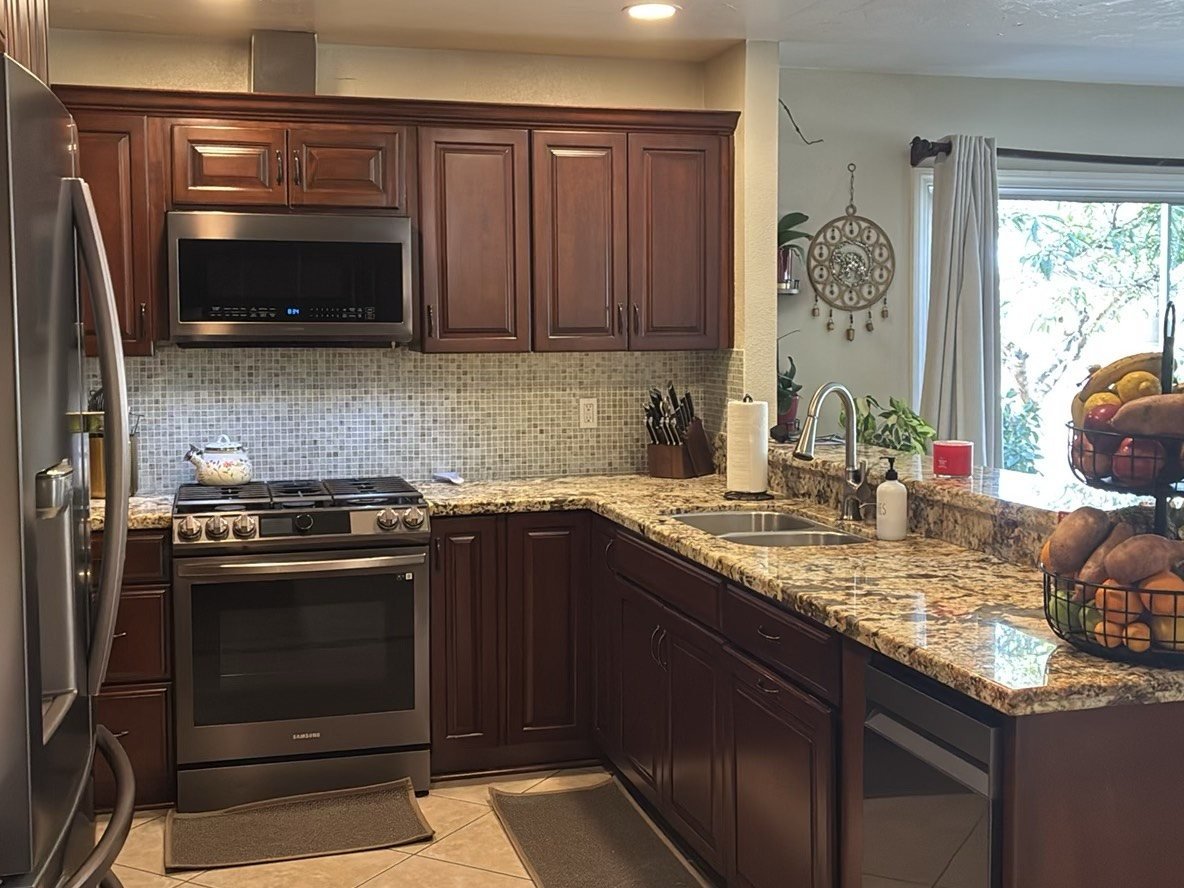
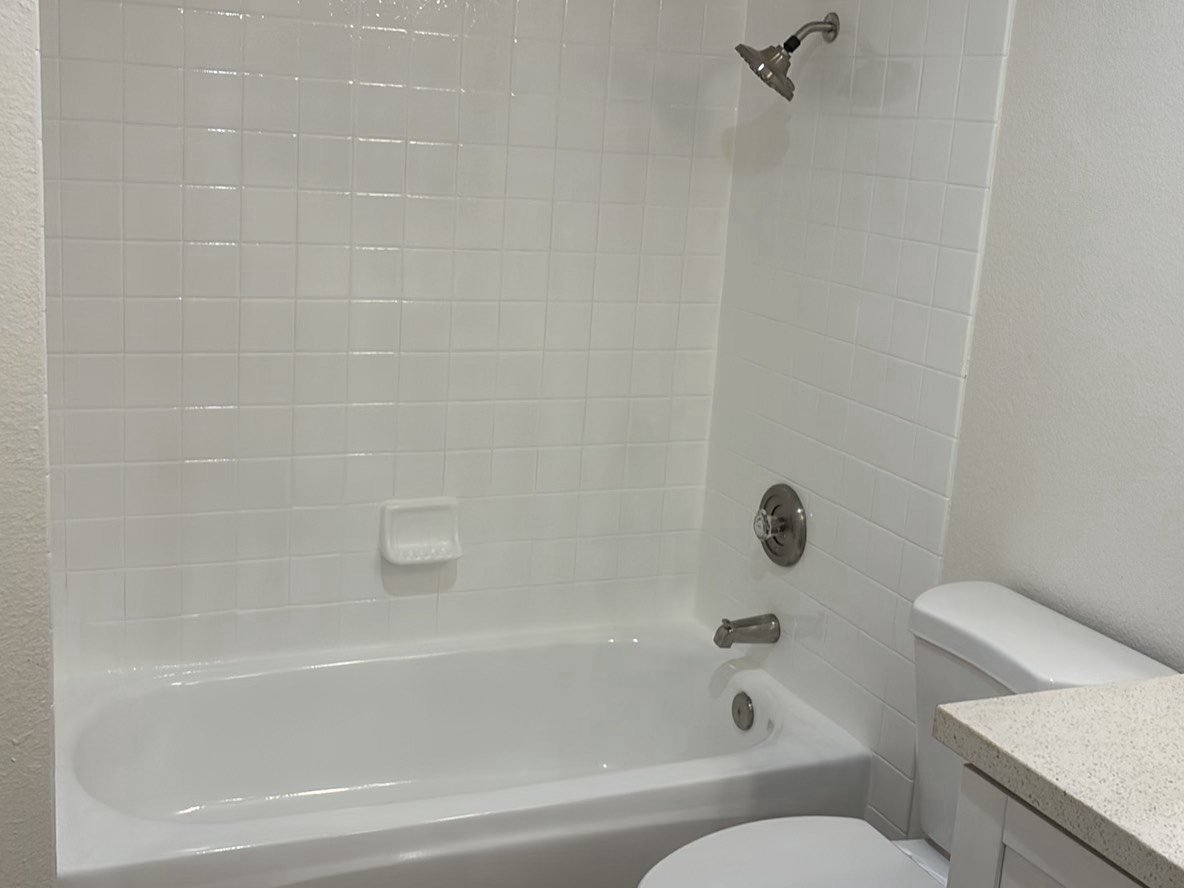
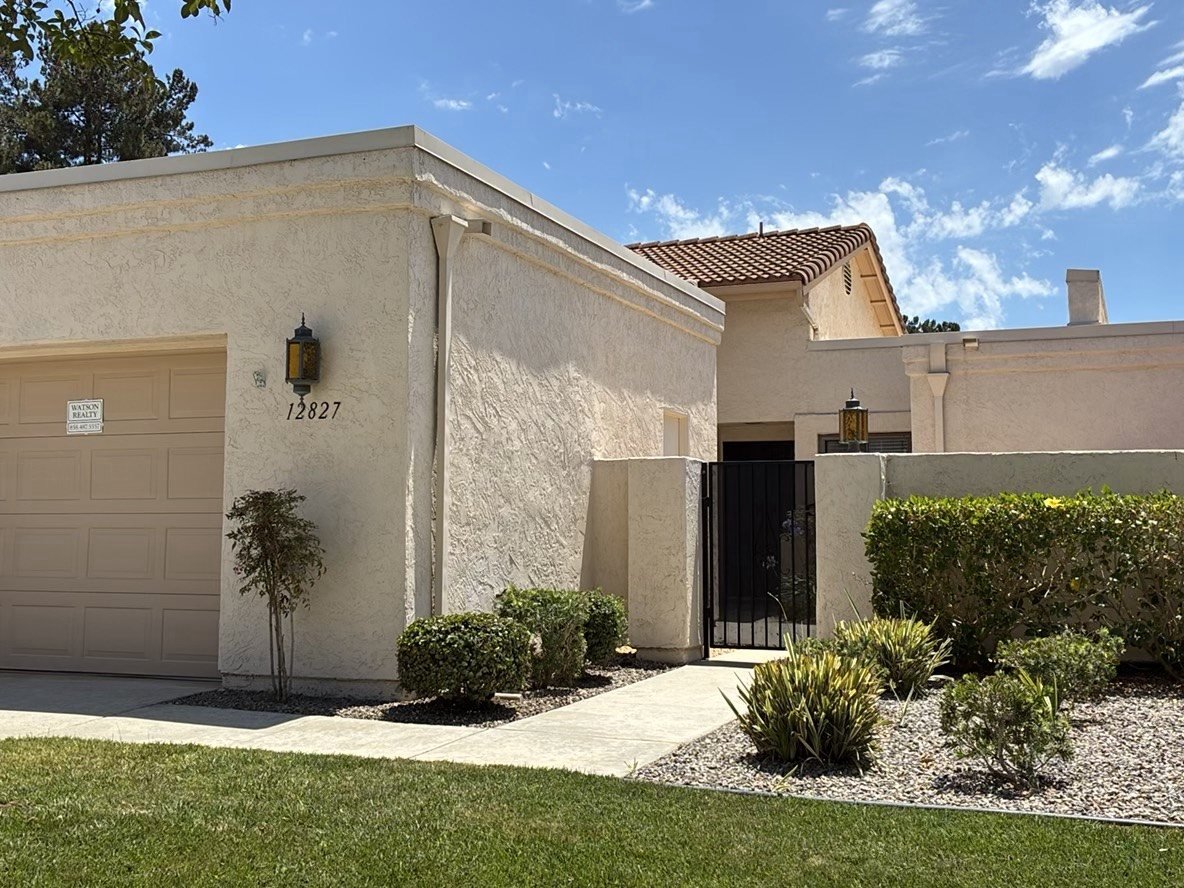
Photos from 11-month builder warranty inspections of newer San Diego homes.
More inspections in Santee
- Commercial roof cleaning in Santee
- Commercial inspection in Santee
- Pool and spa inspection in Santee
- Sewer scope inspection in Santee
- Home inspection in Santee
Nearby and countywide
Were You Happy With Your Inspection?
We are proud of our 4.9-star rating across 100+ Google reviews. If Joseph and the team did right by you, a quick Google review helps other San Diego County buyers and sellers find us.