
Sewer Scope Inspection in Santee, CA
Santee fills the floor of the San Diego River valley, and the bulk of its housing went down as tract subdivisions through the 1970s and into the 1980s — the Carlton Hills and Carlton Oaks neighborhoods, the grid west of Magnolia, the cul-de-sacs that fanned out as the town incorporated. That building era and that valley dirt decide what's buried under your front lawn. The main sewer lateral — the single pipe that carries everything out of the house to the city main in the street — is usually the line the original tract builder laid, and a walk through the house tells you nothing about its condition.
I'm Joseph Romeo. A sewer scope answers the buried question by running a waterproof, self-leveling video camera down that lateral from a cleanout, traveling it out toward the city main while the entire pass records. You can stand at the screen with me and watch it go: the pipe material, the joints, the places roots have pushed in, and whether the line carries waste off cleanly or pools it in a low spot. This page covers what the scope reaches on a Santee line, the valley-floor reasons it earns its keep here, what the camera keeps showing, and the point where I hand off to a licensed plumber.
Call (619) 752-4399 Schedule an Inspection
What does a Santee sewer scope reach and record?
A standard home inspection stops at the fixture — I run the sinks and tubs and watch them clear, but a slow drain won't tell a handful of hair from forty feet of root-bound pipe sagging under the parkway. The scope is what separates the two. Feeding a flexible, waterproof camera in through a cleanout or accessible entry, I travel the full length of the Santee lateral and capture, on recorded video:
- Pipe material — whether the run is vitrified clay, cast iron, Orangeburg (the tar-fiber pipe), or the ABS/PVC that started showing up in Santee's 1970s–80s tracts, which tells you most of what to expect from the line's remaining years
- Root intrusion — the fine feeder roots and full root wads that work in at the joints, the leading cause of backups where the valley's parkway trees have had decades to reach the pipe
- Bellies and sags — settled low runs where waste stands instead of carrying off, a recurring product of the valley floor's expansive soil
- Cracks, breaks, and offset joints — fractured pipe wall and sections shoved out of line with the next, usually where ground has moved beneath them
- Corrosion and scale — the channeling and flaking that hollows an aging cast-iron run from the bottom up
- Blockages and quiet prior work — grease, debris, intruding taps, and the spot patches or liner jobs a previous owner had done and never wrote down
What you get is observed condition on video. I don't excavate, hydro-jet, or repair the line — that's a licensed plumber's trade, and I can refer one who'll bid straight off the footage we recorded.
Why is Santee's valley floor tough on the sewer line?
What's working on a Santee lateral comes down to the decade the tract was framed, the river-valley soil it rests in, and the inland heat it bakes under. These are the local conditions that make the camera worth running here — not boilerplate carried over from a coastal listing:
- 1970s–80s tract pipe: Santee is a touch newer than the inland towns plumbed in the postwar years, so more of its laterals are early ABS/PVC — but plenty of the older Carlton Hills blocks and the homes that predate the 1980 incorporation still carry clay or cast iron, and even a forty-year-old ABS line has joints and bellies worth seeing. The camera names the material so you're not guessing from the build year.
- Expansive valley-floor soil: Santee sits on the alluvial flat of the San Diego River, where soils swell with the rare soaking rain and shrink hard through the long dry stretch. That seasonal heave is what drops a pipe section into a belly or tips a joint into an offset — the same ground movement that cracks a slab and a driveway works steadily on the lateral underneath.
- Mature parkway and yard trees: the established trees lining the older Santee streets and shading the bigger tract lots are exactly the ones whose roots chase moisture into a weeping joint. On an older valley lot, root intrusion is the finding I expect to see first.
- Slab-on-grade tracts: most Santee homes from the tract decades sit on slab, which puts the cleanout location and the under-slab run front and center for how I reach the line — something I sort out before I'm standing in the driveway.
What does the footage tend to show in Santee?
Across the river-valley tracts I scope around Santee, the camera settles into a recognizable set of findings. Reading that pattern before your contingency lifts lets you fold the cost into your offer instead of meeting it the month after you've unpacked:
- Roots at the joints — from a few feeders still passing water to a wad choking the run, the most common find under the older streets' parkway trees
- Bellies in valley soil — standing water mid-line where seasonal heave dropped a section, so waste pools and slow recurring backups begin
- Cracked or offset clay — on the older pre-incorporation blocks, vitrified clay fractured or shifted out of true by ground movement
- Channeled cast iron — the floor of an aging iron run corroded into a trough with scale crowding the flow above
- Sagging or poorly bedded ABS — even the newer tract pipe bellies where the trench was backfilled loose or the soil settled under it
- Bad transitions and quiet patches — spots where old pipe was tied to new without proper fittings, or a repair a seller never mentioned, sometimes the reason a sluggish drain got 'handled' right before the sign went up
None of it is an automatic deal-killer. The report draws the line between an older-but-flowing lateral you simply keep an eye on and a failing run that needs a plumber now, so you and your agent can stand on recorded video when you ask for a repair or a credit.
How does the scope run and what lands in your inbox?
It opens with a call to (619) 752-4399 or an email carrying the Santee address and a quick note on the home — roughly its age and whether you know of a cleanout. That lets me plan the access before I'm in the yard. The scope usually runs alongside the full home inspection on the same visit, so it's one appointment and one trip out to the valley.
On site I locate a cleanout or accessible entry, feed the camera in, and travel the lateral toward the city main while it records. You're welcome to stand at the monitor with me. Watching roots spill out of a joint or water sit flat in a belly in real time tells you more than any single written line, and it's the moment to separate what's urgent from what you simply watch over time. If the home has no reachable cleanout — not unheard of on the older Santee slab houses — I'll lay out the entry options ahead of the visit so nothing gets quietly deferred.
The deliverable is a HomeGauge report carrying the recorded video and still captures of the key findings, the pipe material named, and each problem spot called out plainly and placed along the run. It lands same day or next day in most cases, packaged so you can hand the footage straight to a plumber for a repair bid. It's a video condition assessment — I don't jet, dig, or repair the line, and the report says exactly that and marks where a licensed plumber belongs.
Why do Santee buyers put me on the camera?
A scope is only worth what the person reading the screen can tell you — sorting a few harmless feeder roots from a structural collapse is judgment, not just footage. I'm an InterNACHI Certified Professional Inspector (CPI) and I hold a California CSLB General Contractor license (#1113143). That contractor's background is what lets me say whether a finding means a periodic root cut, a single spot repair, or a full dig-and-replace from the house to the street — and roughly what each one involves — so you walk into negotiations knowing which it is.
- 20+ years and 10,000+ inspections across San Diego County, including Santee's Carlton Hills and Carlton Oaks tracts, the older blocks near downtown, and the valley-floor subdivisions off Mission Gorge and Mast
- 4.9 stars across 106 Google reviews
- Independent and conflict-free — I document the line and I don't dig, jet, or bid the repair, so nothing on the video is bent toward selling you work
For the hydro-jetting, excavation, or pipe replacement the camera points to, I coordinate or refer the right licensed plumber rather than pretend a scope covers it. Reach me directly at joe@sandiegohomeinspection.com or the number above.
Which inspections pair with a Santee sewer scope?
The sewer scope answers one buried question. On a Santee tract home, a few companion inspections are worth folding into the same visit:
- Full home inspection: everything above the line — roof, electrical, plumbing, HVAC, and structure — usually run the same day; start at the Santee home inspection hub
- Foundation / slab review: a closer look when the same expansive valley soil bellying the sewer line is also showing in the slab, the stem walls, or the flatwork
- Thermal / infrared imaging: reveals hidden moisture from a slab leak or a drain backing up under the floor, which matters on Santee's slab-on-grade tracts
- Roof inspection: Santee's inland valley heat and long sun exposure are hard on roofing, and it pairs naturally with a same-trip scope
- Pool and spa inspection: common on the bigger Santee tract lots, where the same soil movement that cracks decks and shells is also working on the line below
Not sure what your address actually calls for? Send it over with the home's age and foundation type, and I'll tell you what's genuinely worth doing — see all inspection services we offer or get a quote through contact.
Santee Sewer Scope Inspection FAQs
What does a sewer scope inspection in Santee cost?
My Santee home is from the 1970s or 80s — does it still need a scope?
Do you repair the line or clear the roots if you find a problem?
Why does Santee's soil matter for the sewer line?
What if my Santee home has no accessible cleanout?
Does the sewer scope happen during the home inspection?
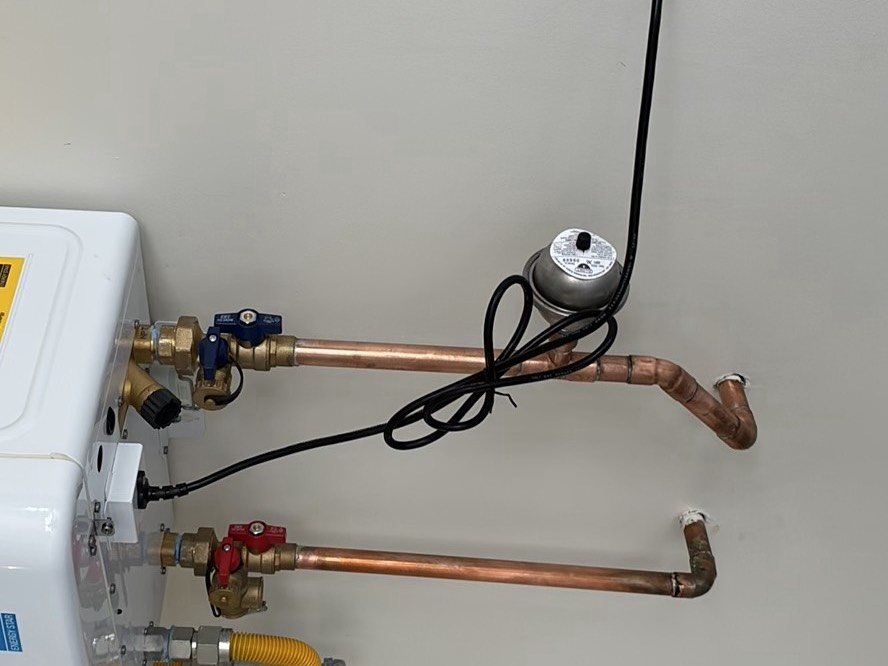
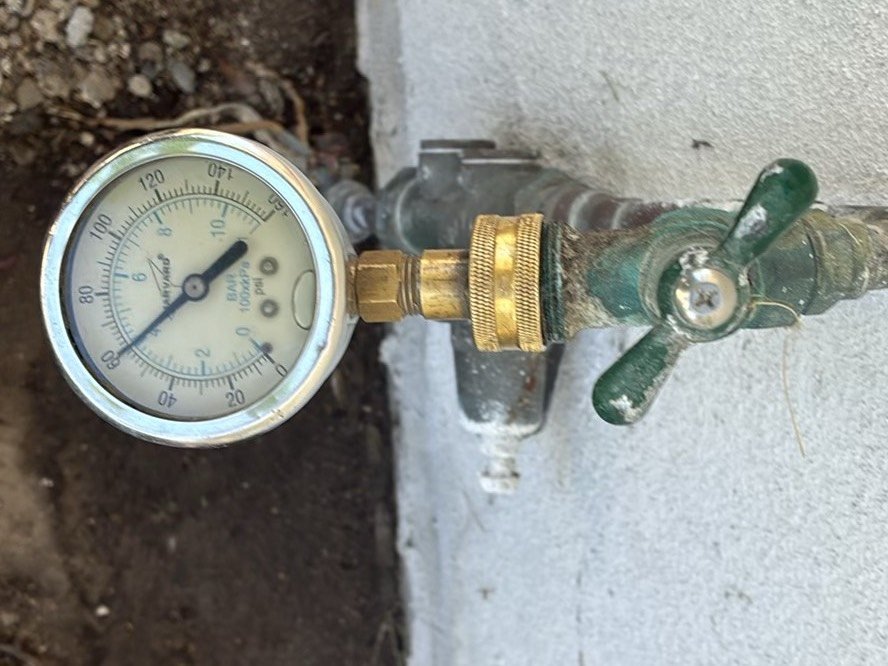
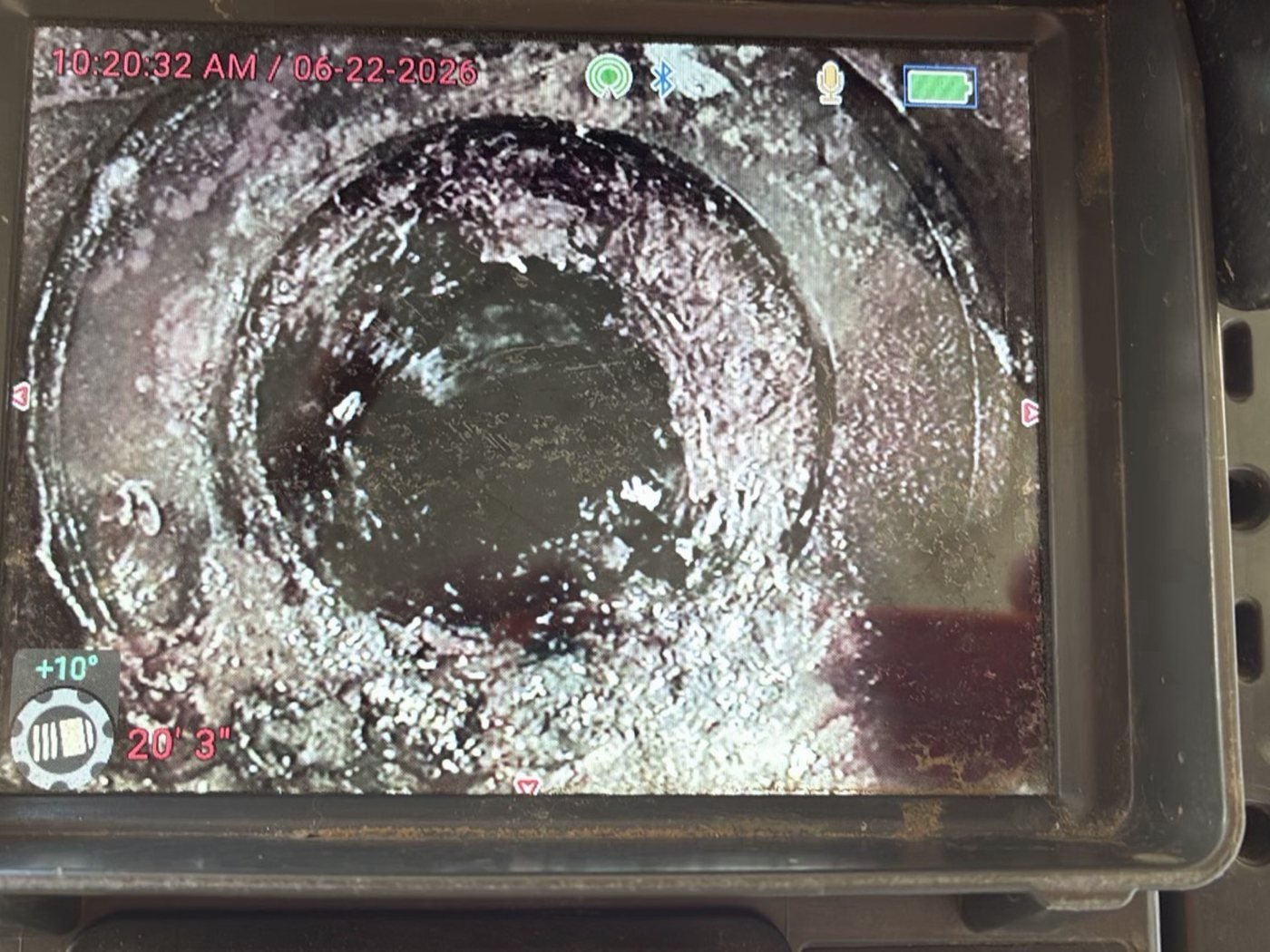
What the camera sees
Sewer scope documentation from recent San Diego County inspections.
More inspections in Santee
- SB 721 balcony inspection in Santee
- SB 326 balcony inspection in Santee
- SB 721 exemption letter in Santee
- Seller inspection in Santee
- Home inspection in Santee
Nearby and countywide
Were You Happy With Your Inspection?
We are proud of our 4.9-star rating across 100+ Google reviews. If Joseph and the team did right by you, a quick Google review helps other San Diego County buyers and sellers find us.