
Seller's Pre-Listing Inspection in Santee, CA
Santee sits where the San Diego River cuts through east county, and that river valley shapes nearly every home sale here. The 1970s and 80s tract neighborhoods that fill Carlton Hills, Carlton Oaks, and the flats near Town Center were graded onto valley soil that expands and contracts with the seasons, then handed decades of east-county heat. A seller's pre-listing inspection puts the report a buyer's inspector would write into your hands first — before listing photos, before an offer, before someone reads findings back to you against a contingency clock.
I'm Joseph Romeo, and a pre-listing inspection is the same full, roof-to-foundation walk a buyer orders, just run on your calendar. In a city where a 1978 single-story off Mast Boulevard and a hillside home above Fanita carry different liabilities, knowing what the inspection surfaces before you set a price is the difference between negotiating from a plan and reacting to a repair demand. This page covers what the inspection reaches, the Santee conditions that shape it, what I keep finding here, how the report works, and where my scope stops. The Santee home inspection hub covers the buyer's side.
Call (619) 752-4399 Schedule an Inspection
What does a Santee seller's pre-listing inspection cover?
This is the full inspection, not a lighter seller's version — the InterNACHI Standards of Practice, run before you list instead of after an offer, so no buyer can later wave your report off as the trimmed-down kind. On a Santee home I walk and document every readily accessible system:
- Roof and water management — covering, flashing, and how runoff clears the lot, which carries weight on a valley floor where a high water table and seasonal river flow already push moisture around
- Foundation and structure — the slab-on-grade tracts that dominate Santee's 70s-80s neighborhoods, read against the valley's expansive soil for cracking, settlement, and floor slope
- Electrical — service panel, branch wiring, grounding, and the breaker brands that turn up in that era of construction
- Plumbing — supply and drain materials, water heater, fixtures, and any corrosion or active seepage
- Heating and cooling — condition and operation, with the cooling side weighted hard given how Santee's inland summers run hotter than almost anywhere coastal in the county
- Interior, attic, ventilation, and exterior — windows, finishes, insulation, and the grading and moisture issues a long-time owner has simply stopped seeing
The scope matches a buyer's inspection exactly. What changes is the timing and the audience — you get the buyer's-eye read first. Every call is observed condition with a photo; I don't price the repairs and I don't perform them.
How do Santee's valley and tract-era homes drive the findings?
What a buyer's inspector zeroes in on here depends on where in the valley your home sits and when it went up. These are the Santee conditions that decide which findings can stall a sale:
- Expansive valley soil. The clay-heavy ground graded for Santee's tracts swells when wet and shrinks when dry, and that movement reads as foundation cracks, sticking doors, and slab plumbing stress. A buyer's inspector will flag it; far better you frame it first.
- River-valley moisture and a shallow water table. Homes on the valley floor near the San Diego River and Mast Park sit where groundwater runs higher. That shows up as crawlspace and sub-slab dampness, efflorescence, and grading that needs to move water decisively away from the house.
- A 1970s-80s housing base. Carlton Hills, Carlton Oaks, and the Town Center tracts went up in that window, which means original panels, aging supply lines, and worn roofs — the vintage where renegotiation usually starts.
- East-county heat load. Santee bakes. Years of that sun shorten composition-shingle life and run AC equipment to its limit, so a tired roof or an original condenser reads worse to a Santee buyer than the same gear would somewhere milder.
- Hillside and fire-fringe pockets. Toward Fanita and the slopes ringing the valley, drainage, defensible space, and roof condition matter to buyers and their insurers — a home that feels hard to insure turns shaky late in escrow.
What do I keep finding before Santee homes reach the MLS?
Run enough pre-listing inspections in this valley and the same items recur — exactly what become credit demands once a buyer's inspector writes them up. Catching them first means the response is yours to choose:
- Slab cracking and floor movement — expansive-soil heave under the tract slabs, which reads alarming to a buyer until it's documented and explained as cosmetic or structural
- Sub-slab and crawlspace moisture — dampness and efflorescence on the valley-floor lots where the water table sits close
- Heat-spent roofs — composition shingle worn thin by east-county sun, or tile riding on failed underlayment, where remaining life sets the negotiation
- Dated electrical panels — the breaker brands and aging branch wiring common to 70s-80s homes, which both buyers and insurers scrutinize
- Aging supply lines — corroding galvanized or failure-prone polybutylene a buyer reads as a coming re-pipe
- Drainage aimed at the house — grading that sends water toward the foundation instead of away, a cheap fix now and a red flag later, and one that matters more on valley soil that already moves
I sort the real deal-killers from the cosmetic and the old-but-sound, so your repair budget lands where it actually defends the price instead of getting spread thin across everything.
How does the visit run and what does the report let you do?
Start with a call to (619) 752-4399 or an email with your Santee address and target list date. Book before you've sunk money into staging and paint — better to learn about a roof or a panel before the cosmetic spend, not after — so we schedule with that runway in mind.
On site I work the home the way a buyer's inspector will: up on the roof and into the attic, across the slab and into any sub-area, at the panel and water heater, through every room, and around the exterior and grading where the valley's moisture story usually shows. I narrate as I go — what a buyer is likely to seize on versus what's genuinely minor — so you leave with context, not just a checklist.
The deliverable is a HomeGauge report with a photo on every finding and plain-language condition notes, usually same day or next day, ready before your listing goes live. Hand it to your agent to price with eyes open, share a clean copy with buyers to build trust and blunt lowball renegotiation, and use the repair list to line up contractors on your schedule. I report observed condition only — I don't bid or do the work — which is exactly what keeps the report credible to a buyer wary of a seller-ordered inspection. Where an item needs a specialist, I'll tell you and coordinate the right licensed pro.
Why do Santee sellers have me write the report?
A pre-listing report is only as good as the judgment behind it — knowing a hairline crack on valley soil is just a hairline crack, and which roof has real life left. I'm an InterNACHI Certified Professional Inspector (CPI) and I hold a California CSLB General Contractor license (#1113143). That builder's side is what helps a seller most: when I flag something, I can tell you what the fix actually involves and roughly how a buyer will weigh it, so repair-versus-disclose is a decision you make with real footing.
- 20+ years and 10,000+ inspections across San Diego County, including Santee's Carlton Hills and Carlton Oaks tracts, the Town Center flats, and the hillside homes out toward Fanita
- 4.9 stars across 106 Google reviews
- Independent and conflict-free — I don't sell repairs, so nothing in the report steers you toward work I'd profit from; it's an honest baseline you can stand behind in front of a buyer
For the roof, panel swap, or re-pipe a report might point to, I coordinate or refer the right licensed specialist rather than pretend the inspection covers it. Reach me directly at joe@sandiegohomeinspection.com or the number above.
Which inspections pair with your Santee listing?
The pre-listing inspection is the full read, but a few add-ons answer the questions Santee buyers raise most — and settling them up front keeps escrow from stalling later. I can line these up around the same visit:
- Sewer scope: a camera down the buried main lateral, since the older lines under 70s-80s lots stay hidden in a standard inspection and Santee's valley soil and mature trees crack and invade them — a classic late-escrow killer
- Thermal / infrared imaging: surfaces the concealed moisture the valley's high water table tends to drive behind walls and under slabs before a buyer's inspector finds the stain
- Roof-focused inspection: a closer read on remaining service life when the main report shows a roof worn down by east-county sun that a buyer will price against
- Pool & spa inspection: for the backyard pools common on Santee's larger tract lots, so the buyer isn't the one to find an equipment problem
- 4-point inspection: if a buyer's insurer asks for one on an older Santee home, a narrower follow-on to the full report
Not sure what your listing needs? Send the address and your timeline and I'll tell you which actually apply — see all inspection services we offer or get a quote through contact.
Santee Seller's Pre-Listing Inspection FAQs
What does a seller's pre-listing inspection in Santee cost?
Why inspect before listing a home in Santee?
Is a pre-listing inspection the same scope as a buyer's inspection?
What Santee-specific problems should I expect it to flag?
Will a buyer still order their own inspection?
How soon before listing should I schedule it?
Pre-listing documentation
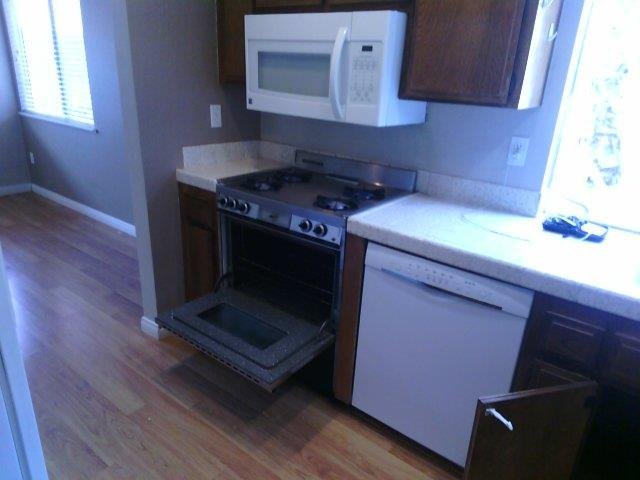
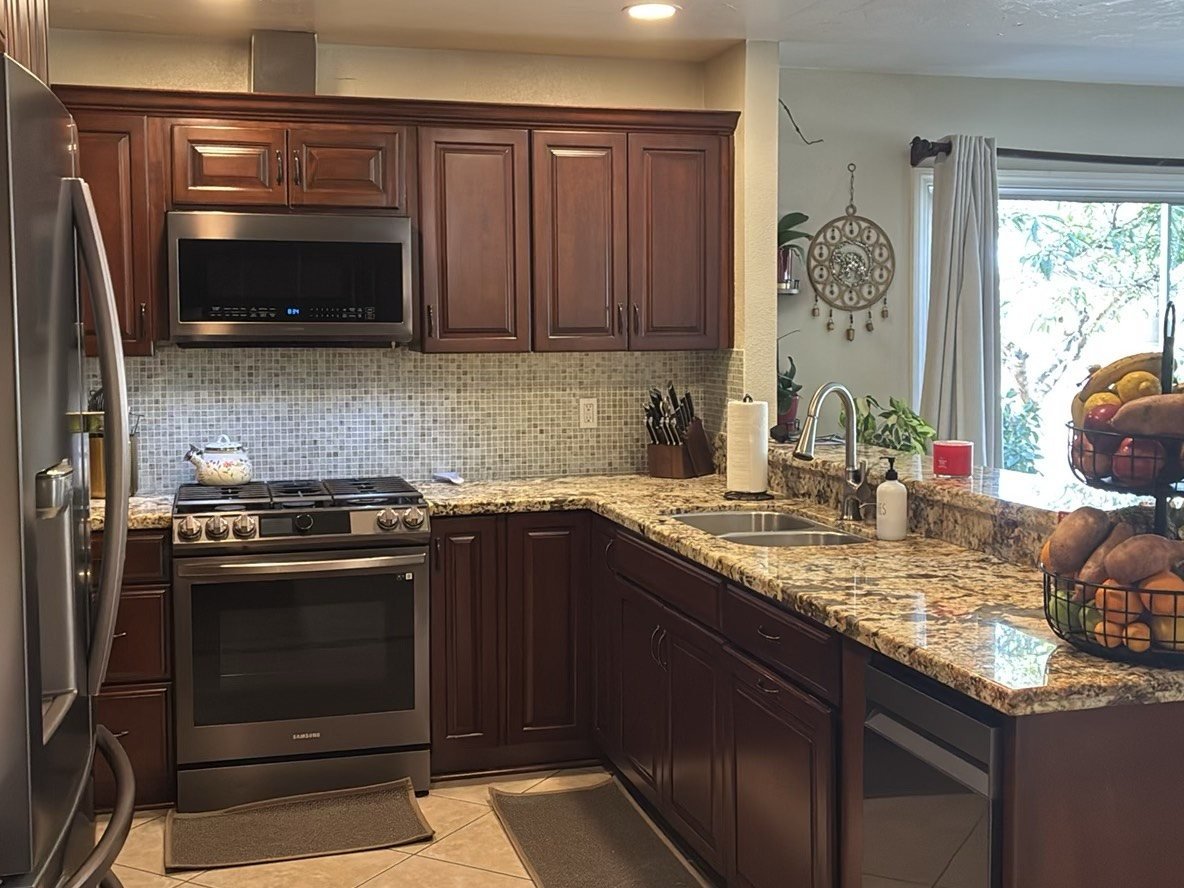
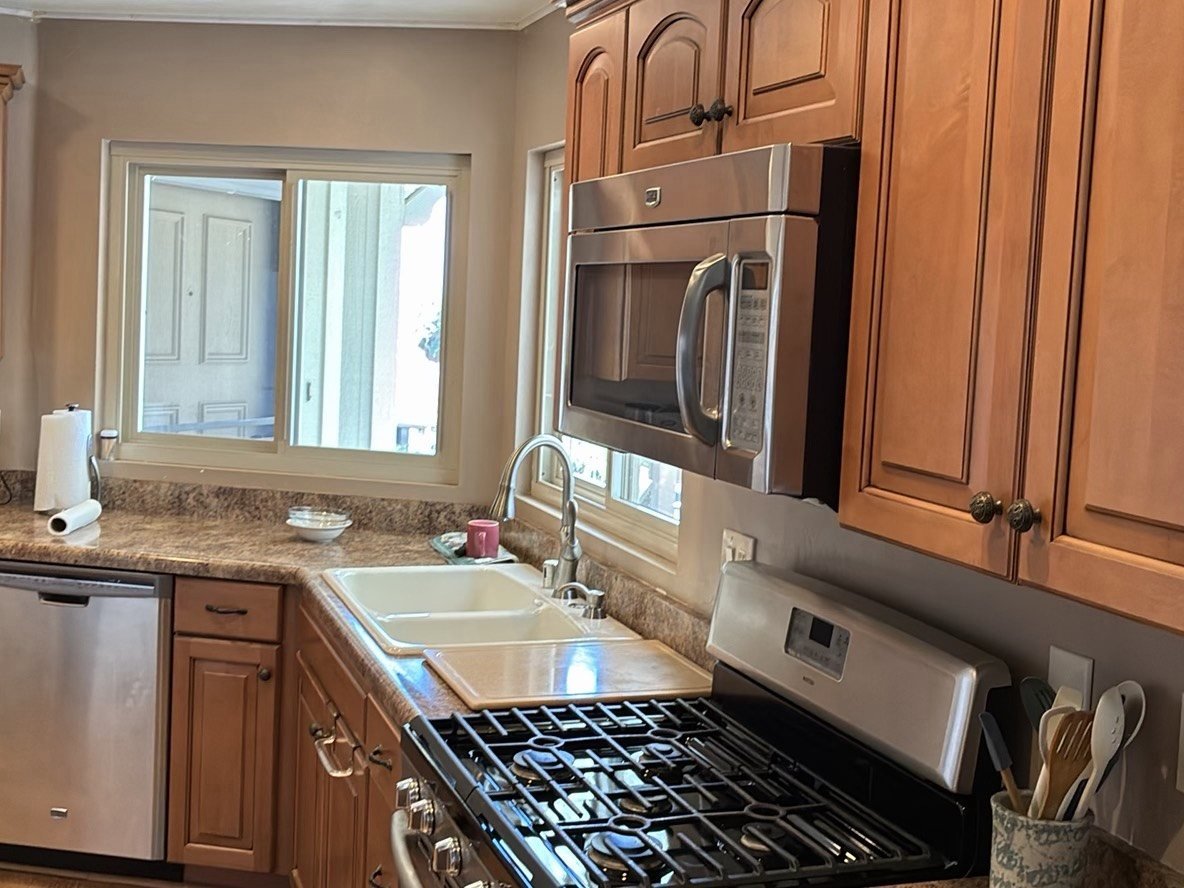
Pre-listing inspection photos from across San Diego County.
More inspections in Santee
- Commercial roof cleaning in Santee
- Commercial inspection in Santee
- Pool and spa inspection in Santee
- Sewer scope inspection in Santee
- Home inspection in Santee
Nearby and countywide
Were You Happy With Your Inspection?
We are proud of our 4.9-star rating across 100+ Google reviews. If Joseph and the team did right by you, a quick Google review helps other San Diego County buyers and sellers find us.