
Pool & Spa Inspection in Santee, CA
Santee earns the heat. Tucked into the San Diego River valley east of the city, the floor of this town bakes through the summer, and that warm-weather pull is exactly why so many of the tract homes built here in the 1970s and 1980s came with a backyard pool. Walk the neighborhoods off Mast Boulevard, Carlton Hills, or the newer master-planned pockets around Sky Ranch and you find two pool stories side by side: original gunite pools roughly the age of the houses behind them, plaster on its second or third coat, and HOA-run community pools serving the planned developments. Add the valley's expansive clay soil — ground that swells when it's wet and shrinks when it's dry — and you have a recipe for movement that shows up first around a pool.
I'm Joseph Romeo, and I inspect Santee pools and spas personally, either bundled into a home inspection or scheduled on their own. The work is a visual evaluation of the whole assembly: the shell and its finish, the deck and coping, the tile, the circulation plumbing you can actually see, the pump-filter-heater pad, the electrical bonding and GFCI protection, and the safety barriers, gates, and anti-entrapment drain covers that stand between a child and the water. What it is not: a pressurized leak test or a chemistry workup. Those belong to a pool specialist, and I name the moment to bring one in. To see the pool in the context of the rest of the house, start at the Santee home inspection hub.
Call (619) 752-4399 Schedule an Inspection
What does a Santee pool and spa inspection cover?
I look at the pool as one linked assembly — the vessel that holds water, the equipment that circulates and heats it, and the safety layer wrapped around both — and I write up the readily visible condition of each piece on a Santee property:
- Shell and interior surface: the gunite vessel read for structural cracking and movement, and the plaster, pebble, or quartz lining checked for delamination, crazing, etching, staining, and the calcium scale this valley's water leaves behind
- Deck, coping, and waterline tile: the decking checked for cracking and settling, the coping cap for separation and loose stone, and the tile band for popped, hollow, or missing pieces
- Circulation plumbing you can see: skimmers, returns, valves, and the exposed pipe runs at the pad — observed in place, not pressurized
- Pump, filter, and heater: the gear that conditions the water, judged on age and visible condition, with attention to whether prior owners left it mismatched or wired around code
- Bonding and ground-fault protection: the equipotential bond grid and the GFCI on the pump and pool lighting — the most safety-critical thing I confirm
- Barriers, fencing, and gates: the enclosure, self-closing and self-latching gates, and any door alarms measured against California's drowning-prevention code
- VGB anti-entrapment covers: intact, compliant main-drain covers that prevent the suction entrapment the federal Virginia Graeme Baker Act was written to stop
Pressurized leak-detection and water-chemistry balancing aren't part of this visual inspection. Where the evidence on your Santee pool points that direction, I say so plainly and refer the right licensed pool pro rather than guess at a buried problem.
How do Santee's soil, heat, and housing era affect pools?
The river-valley setting, the inland heat, and the age of the housing stack a particular set of problems in front of a Santee pool buyer. These are the items I slow down on in this town:
- Expansive clay soil under the deck. This is the one that defines a Santee pool. The valley's clay heaves when it rains and shrinks back in the dry months, and that seasonal cycle telegraphs straight into pool decks, coping, and bond beams as cracking and separation. I read the deck and shell for movement that's cosmetic versus movement that's structural.
- 1970s-80s gunite wearing newer plaster. A lot of these pools are original to the tract homes they sit behind, now on their second or third interior finish. A fresh-looking surface can mask an aging shell, so I check whether the finish is simply due for replacement or the gunite underneath is the real concern.
- Inland heat that ages everything faster. The valley floor holds summer heat, which cooks plaster, accelerates staining, and runs the equipment pad hard. Pumps and heaters here have cycled against blistering afternoons for decades, and I read them with that history in mind.
- Calcium scaling from hard water. The mineral-heavy water Santee runs deposits scale at the tile line and inside heaters and salt cells. I check the waterline band, the heat exchanger where it's visible, and the equipment for buildup that quietly chokes flow.
- HOA and community pools in the planned tracts. Santee's master-planned developments carry shared pools held to commercial-grade barrier, fencing, and drain-cover standards, which I scope differently than a private backyard pool.
- Layered owner repairs. On a pool that's changed hands two or three times, the pad is usually a patchwork — a newer pump bolted to an old filter, an unserviced heater, automation half-installed. I separate what's working from what was improvised.
Which problems repeat on Santee pools?
Across the valley's tract pools, spa combos, and HOA installations, the write-ups land in a recognizable pattern. Spotting it before your contingency expires lets you price the risk into the deal instead of discovering it the week you take the keys:
- Worn interior finish — plaster etched and delaminating, pebble exposing its aggregate, and staining set in by inland sun and hard water
- Outdated or cracked drain covers — flat or expired main-drain covers that no longer satisfy the VGB anti-entrapment standard, among the most dangerous items still common on an older Santee pool
- Interrupted bonding — the equipotential grid broken, corroded, or never re-connected after an equipment swap, a genuine shock hazard
- Absent GFCI protection on pump and pool-light circuits, routine on installs from the tract-home era
- Heat-worn, end-of-life equipment — heaters scaled shut, pumps short-cycling, filters bypassing, usually with no service history from the seller
- Clay-driven deck and coping movement — cracked decking, separated coping, and trip hazards from years of expansive-soil cycling under the slab
- Barrier shortfalls — gates that won't self-latch, fencing with climbable footholds, and a missing alarm on the slider to the yard
- Salt-system corrosion — retrofitted salt-chlorine generators and the rust they push onto heater components and hardware, made worse by hard water
None of this automatically kills a purchase. The report ranks the safety-critical items and big-ticket repairs above routine upkeep, so your numbers reflect what actually drives the cost.
How does the visit run and what report do you receive?
It opens with a call to (619) 752-4399 or an email with the address and a quick note on what's back there — in-ground gunite, attached spa, above-ground, or an HOA community pool. For a complete evaluation the equipment has to be powered and the pad has to be reachable; if a gate code, a locked equipment area, or a safety cover stands in the way, flag it ahead of time so nothing gets deferred.
On site I cycle the equipment through its run where the controls allow, walk the entire barrier and gate setup, and work the shell, deck, and pad in sequence. Come along if you can. Standing at the pad while I point out a scaled-shut heater, or at the gate while I explain why a self-latch matters on a child-safe enclosure, sticks better than any line item — and it's where we separate the safety items to handle now from the maintenance to plan around.
What you get is a HomeGauge report documenting every finding with a photo, written in plain language, with the safety-critical items — bonding, GFCI, barriers, and drain covers — broken out into their own summary apart from routine wear. In most cases it reaches you the same day or the next, laid out so you can pull repair requests straight from it or hand the equipment items to a pool contractor. It's a visual condition report: I don't pressure-test for hidden leaks or balance chemistry, and the report says exactly that and tells you when to call a pool specialist.
Why do Santee buyers and agents have me read the pool?
A pool inspection is only as good as what the person reading it understands about how the thing was built and wired. I'm an InterNACHI Certified Professional Inspector (CPI), and I hold a California CSLB General Contractor license (#1113143). That construction background changes the conversation at the equipment pad and the bond grid: I've built and repaired the systems I'm evaluating, so when I flag something I can tell you whether it's a weekend fix or a replaster-and-re-equip job running into the thousands.
- 20+ years and 10,000+ inspections across San Diego County, including Santee's older Carlton Hills and Mast Boulevard tracts and its master-planned community pools
- 4.9 stars across 106 Google reviews from buyers, sellers, and agents
- Independent and conflict-free — I assess the pool and report its condition; I don't bid or perform repairs, so nothing in the report is angled toward selling you work
Agents keep referring clients because the reports are thorough without being alarmist, and buyers get a straight read on the most expensive system in the backyard. For pressurized leak-detection, structural-shell engineering, or anything that genuinely needs a pool specialist, I coordinate or refer the right licensed pro. Reach me directly at joe@sandiegohomeinspection.com or the number above.
Which Santee inspections should you pair with it?
A pool rarely needs looking at by itself. On most Santee visits it pairs with the broader work on the house, and I can line these up around one trip into the valley:
- Full home inspection: the whole-house evaluation the pool rounds out — roof, electrical, plumbing, HVAC, and structure — usually run the same day; start at the Santee hub
- Foundation and slab evaluation: worth it on Santee's expansive-clay lots, where the same soil movement that cracks a pool deck shows up under the house
- Sewer scope: a camera down the lateral on older valley homes, where original lines hide root intrusion and offsets
- Roof inspection: sun-beaten Santee roofs age fast under the same inland heat that wears the pool finish
- Thermal / infrared imaging: surfaces hidden moisture and overheating connections around pool-equipment circuits and any attached spa
- Pool leak detection and chemistry: the pressurized leak test and water balancing I don't perform, coordinated through a licensed pool specialist when the evidence calls for it
Not sure what your address actually needs? Send it over and I'll tell you which of these genuinely apply before your contingency closes — or browse all the inspection services we offer.
Santee Pool & Spa Inspection FAQs
What does a pool and spa inspection cost in Santee?
How does Santee's expansive clay soil affect a pool?
Do you pressure-test the plumbing or balance the water on a Santee pool?
Why do you check the drain covers so closely?
Can you inspect an HOA or community pool in Santee?
Should the pool equipment be running when you inspect?
Pools and equipment
Pools, spas and equipment photographed during recent inspections.
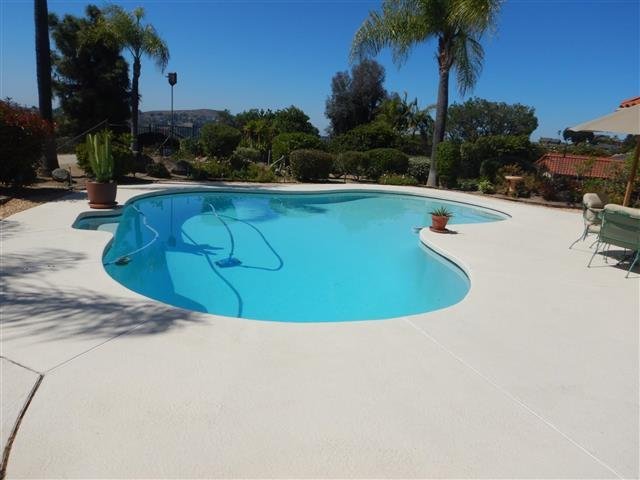
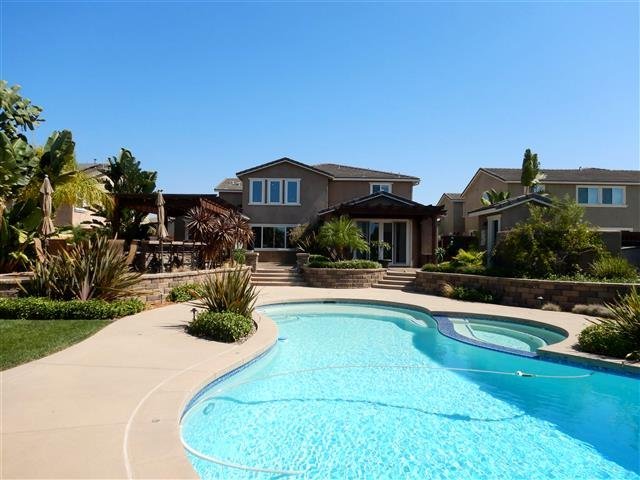
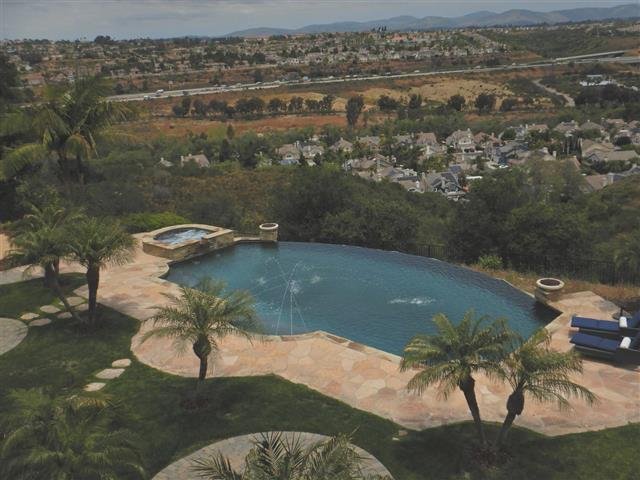
More inspections in Santee
- Sewer scope inspection in Santee
- 4-point inspection in Santee
- Roof inspection in Santee
- Thermal imaging in Santee
- Home inspection in Santee
Nearby and countywide
Were You Happy With Your Inspection?
We are proud of our 4.9-star rating across 100+ Google reviews. If Joseph and the team did right by you, a quick Google review helps other San Diego County buyers and sellers find us.