
Decks: the connections fail before the boards do
Inspection blog, 2024-06-20
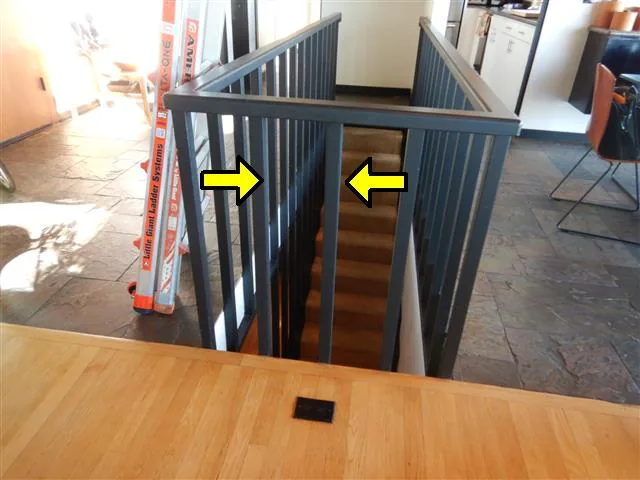
Deck boards get replaced when they look bad. The parts that actually hold the deck up get looked at almost never, and they are where collapses start.
The ledger
The ledger is the board bolted to the house that carries one edge of the deck. In a collapse, this is usually the part that let go.
It needs through-bolts or structural screws into the rim joist of the house, spaced and staggered properly. Nails alone are not enough and we still find them, particularly on decks added in the 1970s and 80s.
It also needs flashing. Water running down the wall has to be directed out over the deck rather than behind the ledger. Without it, the rim joist behind the board rots while the deck surface looks perfect. When we can get under a deck we check this first, and when we cannot, we say so in the report.
Posts and footings
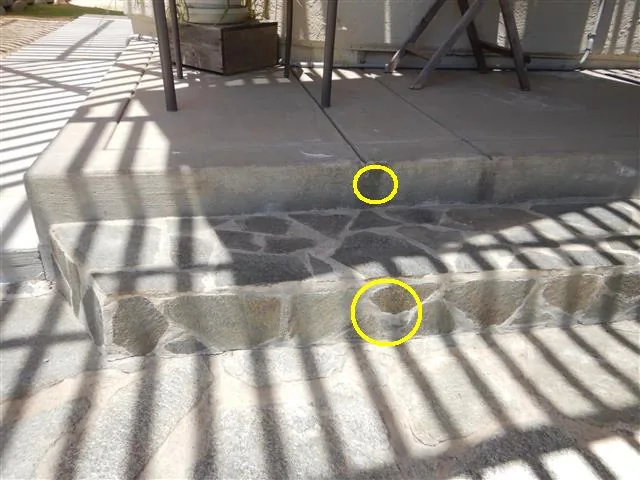
A post should sit on a concrete footing with a metal standoff base that keeps the end grain an inch off the concrete. Set a wood post directly in soil or in concrete and it wicks water and rots from the bottom, invisibly, for years.
We push on posts, look at the base of each one, and probe anything soft. On hillside decks in places like Mount Helix, Point Loma and La Jolla, we look at whether the footings are on undisturbed ground or on fill that has moved.
Railings
A guard should be at least 36 inches tall on a residential deck and resist a 200 pound push at the top. The usual failure is the post attachment: a 4x4 notched and bolted to the outside of the rim with two lag screws, which is a well known weak connection. Openings should not pass a four inch sphere.
How this differs from SB 721
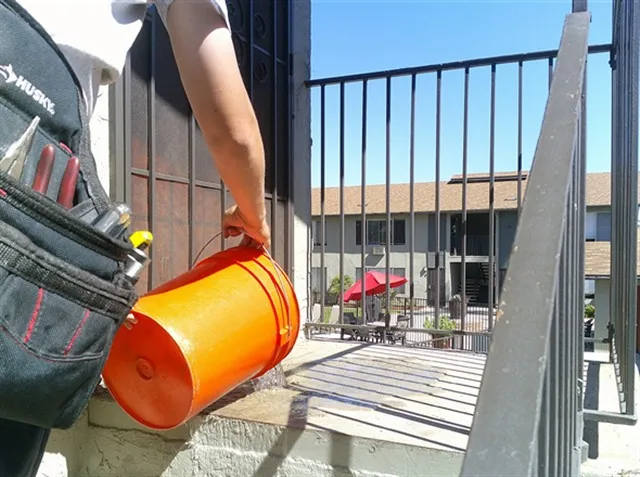
SB 721 and SB 326 are California laws covering exterior elevated elements on buildings with three or more dwelling units, and they require inspection by a licensed professional on a set schedule with a written report and specific documentation. That is a separate service with its own standard.
A single family deck gets inspected as part of a home inspection, visually, with no destructive testing. If we see enough to be concerned about the ledger or a structural member we will recommend opening it up, but we do not cut into finishes ourselves.
More from the field

Your home is a major investment.
Protect it with San Diego's certified, 5-star-rated inspectors.