
Siding and trim: the rot starts at the bottom and the joints
Inspection blog, 2025-10-28
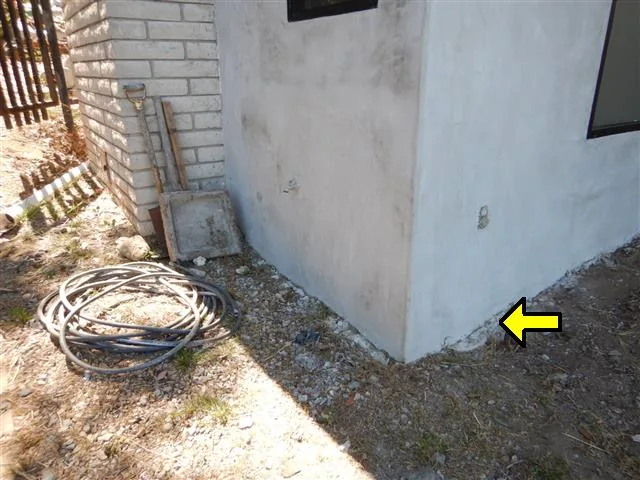
Exterior cladding gets judged on how it looks, which is why paint hides so much. Fresh paint over soft wood tells you nothing about the wood. We probe rather than look.
The places that fail
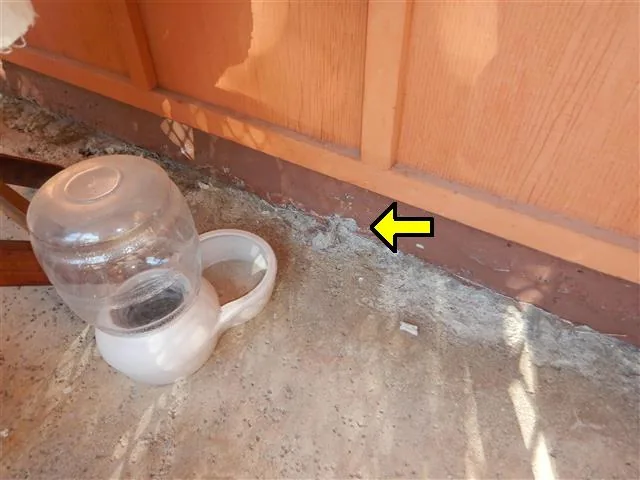
Bottom edges. Water runs down a wall and stops at the lowest horizontal surface it can find: the bottom of a trim board, the lower edge of a siding course, the base of a corner board. End grain there soaks water like a straw.
Butt joints between boards, especially if they were never primed on the cut ends. Most siding is primed on the faces at the factory and cut on site, so every field cut is raw wood unless someone sealed it.
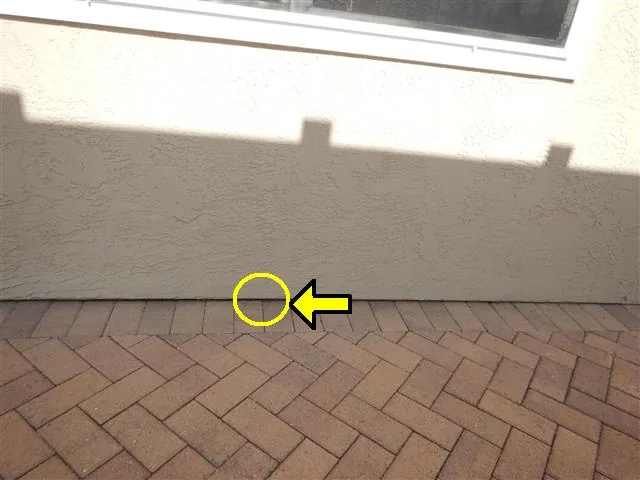
Anywhere siding meets another material. Where it runs into a deck, a stair stringer, a concrete patio or a planter bed. Siding should be held clear of grade, generally six inches or more, and clear of hardscape by a couple of inches. We find it buried in soil and mulch routinely, and buried siding is a termite path as well as a rot path.
Under windows, at the corners of the sill. If the window has no proper sill flashing or the caulk joint has opened, the water goes behind the trim.
Coastal versus inland
Near the water, in OB, PB, Encinitas, Imperial Beach, the driver is salt and constant humidity. Fasteners corrode and bleed rust down the face, paint fails early on the windward elevation, and galvanized nails that were fine inland will not last here. Stainless fasteners are worth the money within a mile or so of the ocean.
Inland, the driver is UV and heat cycling. South and west walls get chalked paint, checked wood and opened joints, and the winter rain then finds those openings.
How to check it yourself
Take a screwdriver and press firmly into the bottom edge of trim boards, corner boards, the base of door casings and the lower siding course, especially on the north side where things dry slowly and on the west side where the sun is hardest. Sound wood resists. If the tip sinks in, that board is done regardless of how it looks.
Look at where downspouts discharge, and at the wall below any roof edge without a gutter. Rot clusters there.
Stucco is a different animal
Most of the county is stucco rather than wood siding. Hairline cracking is normal as it cures and as the house moves. What matters is cracks wider than about an eighth of an inch, stair stepping at corners of openings, bulging or hollow sounding areas, and staining below windows. Stucco is a reservoir cladding, so it holds water and relies on the drainage plane behind it, which means damage often shows up in the framing before it shows on the surface.
More from the field

Your home is a major investment.
Protect it with San Diego's certified, 5-star-rated inspectors.