
Reading the age off your AC, and what to expect from it
Inspection blog, 2024-05-13
The first thing we do at the condenser is photograph the data plate. Age drives almost every decision about an air conditioner, and most owners have never looked.
Finding the date
The plate is on the side of the outdoor unit. Sometimes there is a clear manufacture date. More often you read it out of the serial number, and the encoding varies by brand. Several use the first four digits as week and year, or as year and week. Others put a letter for the year. Carrier, Trane, Lennox, Goodman and Rheem all do it differently.
A rough cross check is the electrical permit or the label a service company left on the cabinet. Technicians usually sticker the unit with the date of each visit, and the oldest sticker sets a floor on the age.
What the age means
Air conditioners in San Diego last longer than the national average because they run fewer hours, especially near the coast. Fifteen to twenty years is normal, and we see twenty five year old units still cooling in Point Loma and Ocean Beach. Inland, in El Cajon, Santee and Escondido, the duty cycle is much higher and the same equipment wears out sooner.
Coastal units have their own limit. Salt air corrodes the condenser coil fins and the cabinet from the outside in. A unit three blocks from the water can be finished at twelve years with the compressor still fine, because the coil has dissolved.
Refrigerant matters more than it used to
Systems made before roughly 2010 use R-22, which has been phased out of production. Existing stock can still be bought, at a price that makes a significant leak repair on an old system hard to justify.
Systems after that use R-410A, which is itself being phased down now in favor of newer refrigerants. For a homeowner the practical point is that an R-22 system is on borrowed time, and any repair involving opening the refrigerant circuit should be weighed against replacement.
What we check besides age
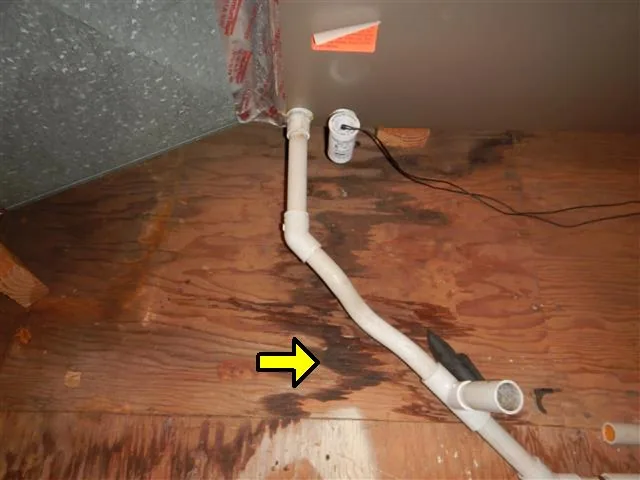
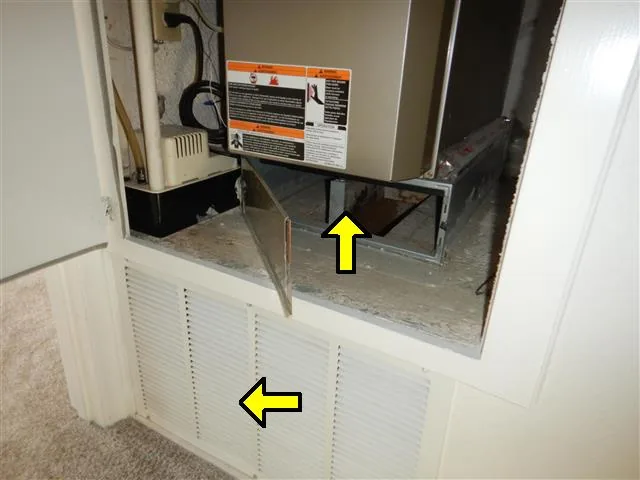
Temperature split between the return and supply air, which should land roughly in the 14 to 22 degree range. Whether the unit is level, on a pad that has not sunk, with the required clearance around it. Condition of the disconnect box and the whip. Coil cleanliness and fin damage. Refrigerant line insulation, which dries out and falls off in the sun here and costs efficiency. Condensate drainage and whether the secondary pan and float switch exist.
We do not attach gauges or check refrigerant charge. That is an HVAC service call, and it is the right next step when the temperature split is out of range.
More from the field

Your home is a major investment.
Protect it with San Diego's certified, 5-star-rated inspectors.