
Your garage door should reverse. Here is how to check.
Inspection blog, 2024-04-29
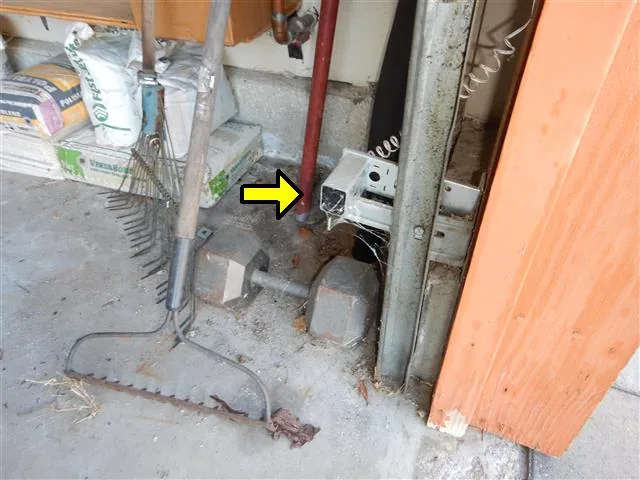
A double garage door weighs somewhere between 150 and 400 pounds, and it is the heaviest moving thing most people own. Every opener sold since 1993 has to reverse when something gets under it. Two separate systems do that job and we test both on every inspection, because when one of them stops working nothing announces it.
The photo eyes
Look for two small plastic housings bolted to the track about six inches off the floor, one on each side of the opening. They shine an infrared beam across the doorway. Break the beam while the door is coming down and the door should stop and go back up.
Close the door and sweep a broom handle through the beam near the floor. If the door keeps closing, the eyes are not doing their job.
The force setting
The second system is mechanical. The opener watches how hard it is working and reverses when the door meets something solid. Lay a two by four flat on the floor under the middle of the door and close it. The door should touch the wood, stop, and return on its own. If it grinds down onto the board and keeps pushing, the down-force is set too high.
What we actually find
Misalignment is the common one. Someone leans a bike against the bracket, the beam drifts off target, and the door refuses to close. The fix people reach for is the problem: we regularly find both eyes unbolted and zip-tied together at one side of the opening, or taped facing each other a foot apart, so the beam is permanently unbroken and the door will close on anything.
In garages near the water, in Ocean Beach, PB and Imperial Beach, the brackets rust and the eyes end up hanging at an angle. Painted-over lenses turn up in houses that have been repainted since the door went in.
We also look at the springs above the door and the cables at each side. A frayed cable or a gap in a torsion spring is a repair for someone with the right tools, and it is not a homeowner job. Those springs hold a lot of stored energy.
If it fails
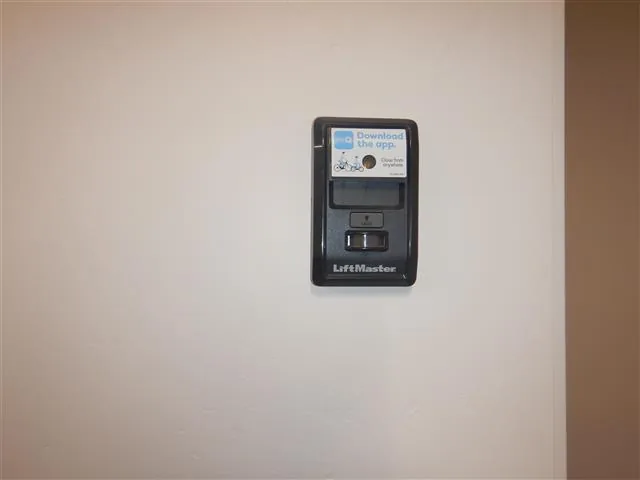
An opener that will not reverse needs adjusting or replacing before the garage is used again, especially in a house with kids or pets. Most openers have force screws on the back of the motor housing, and the manual explains the sequence. If the unit is more than about twenty years old, replacing it usually costs less than paying someone to chase adjustments on a motor that is close to done.
More from the field


Your home is a major investment.
Protect it with San Diego's certified, 5-star-rated inspectors.