
Know where your gas shutoff is before you need it
Inspection blog, 2024-03-15
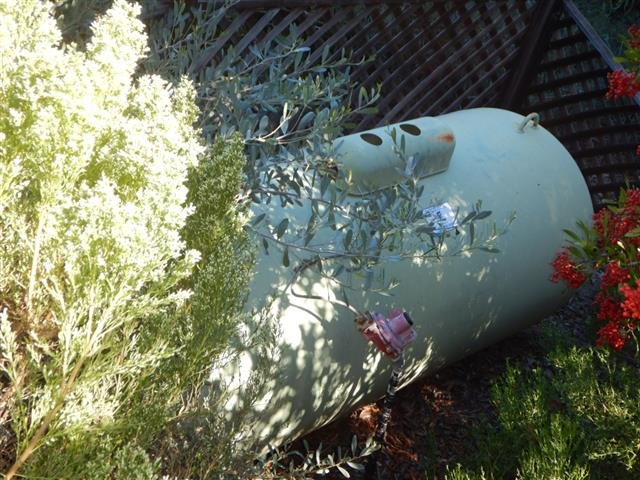
After a significant earthquake, the risk is not usually the shaking. It is what happens in the hours afterward, and broken gas lines are near the top of that list. Knowing where the shutoff is, and having something to turn it with, is a ten minute exercise worth doing once.
The meter valve
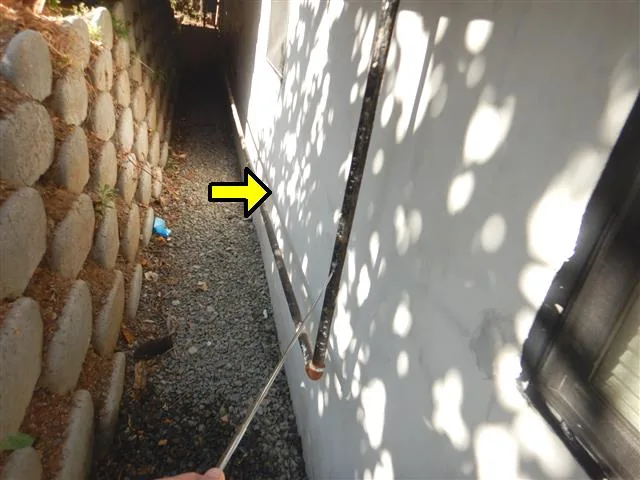
The main shutoff is at the gas meter, on the pipe coming out of the ground before the meter. It is a rectangular tab on a quarter turn valve. Running parallel to the pipe means open. Crosswise means closed.
It takes a wrench. A 12 inch adjustable wrench works, and so do the dedicated four-way gas keys sold for a few dollars. Keep one attached near the meter with a zip tie or a piece of wire, because a wrench in the garage is not much use if the garage is the thing that fell down.
Turn it off only if you smell gas, hear it escaping, or the house is visibly damaged. Once it is off, leave it off. Only the utility should turn gas back on and relight appliances, and after a large event that wait can be days.
Appliance valves
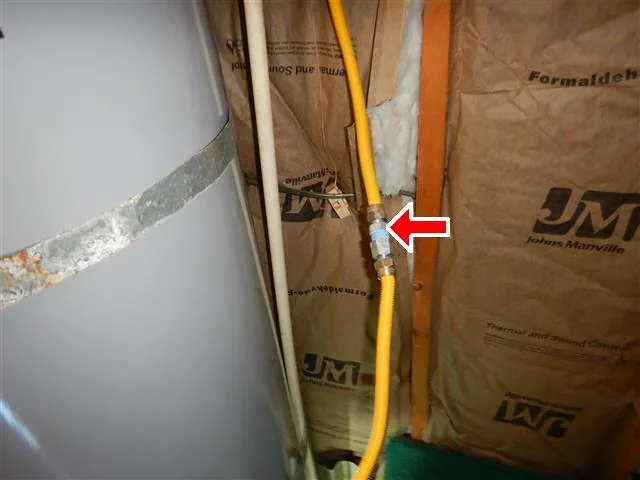
Each gas appliance also has its own shutoff on the supply line, usually within six feet of the unit. If one appliance is the problem, that valve isolates it without taking down the whole house.
We check these on every inspection and find plenty painted solid, buried behind a dryer, or missing entirely on an appliance that was replaced by someone in a hurry. We also look for flexible connectors: the old uncoated brass ones have a history of cracking and should be replaced with a current stainless connector.
Seismic shutoff valves
An automatic seismic gas shutoff valve, also called an earthquake valve, installs on the line at the meter and closes when it senses shaking above a set threshold. Several California jurisdictions require one when a permit is pulled for significant work, and some require it at sale. Rules vary by city, so it is worth checking with the local building department.
They cost a few hundred dollars installed and they need a permit and a plumber. They are not a cure for everything, since a valve at the meter does nothing about a line that breaks inside the house, but they close the main automatically when nobody is home.
One thing people should know: after the valve trips, it has to be reset manually, and the same rule applies about relighting appliances.
Water too
While you are at it, find the water main shutoff and confirm it turns. Most are at the street in a concrete box, or at the front of the house. Valves that have not moved in twenty years often will not, and discovering that during an emergency is the wrong time.
More from the field


Your home is a major investment.
Protect it with San Diego's certified, 5-star-rated inspectors.