
GFCI and AFCI outlets: where they belong and why yours may be missing
Inspection blog, 2026-03-19
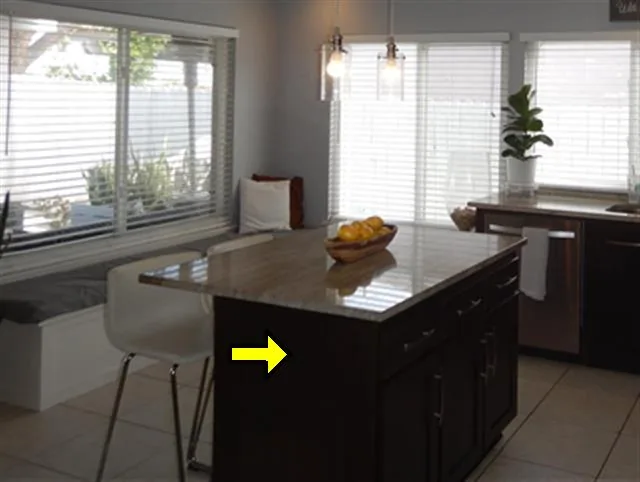
Two devices in a modern house watch the wiring for trouble, and people mix them up constantly. They protect against different things and they go in different places.
GFCI, for shock
A ground fault circuit interrupter compares the current going out with the current coming back. When some of it leaks off somewhere else, through a person, through water, through a damaged cord, it cuts power in about a fortieth of a second.
These belong anywhere water and electricity share a room: kitchen counters, bathrooms, laundry areas, garages, unfinished basements, crawl spaces, outdoors, and within six feet of any sink. Pool and spa equipment needs it too.
You will know one by the test and reset buttons on the face. Press test, the reset button pops and the power dies. Press reset, it comes back. Do that once a month. They wear out, and a dead GFCI often still passes power while protecting nothing.
AFCI, for fire
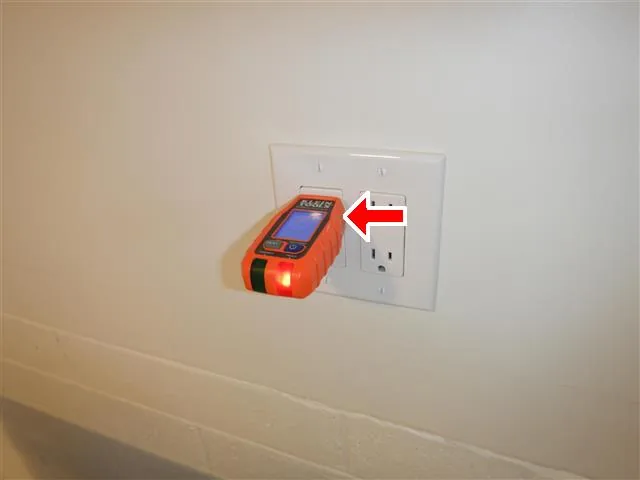
An arc fault circuit interrupter looks for the signature of arcing: a loose terminal screw, a nail driven through a cable, a chewed lamp cord. Arcs do not draw enough current to trip a normal breaker, and they are hot enough to start a fire inside a wall.
California requires AFCI protection on most 120 volt circuits in living areas, bedrooms first among them. These usually live in the panel as a breaker rather than at the outlet, so you find them by opening the panel cover and looking for breakers with their own test button.
What older houses look like
A house built before the mid 1970s was wired before any of this existed, and nothing forces an owner to add it. We write it up anyway, because the cost is small and the risk is not.
The pattern we see most in San Diego is a kitchen remodel where the counter outlets got GFCI protection and the garage and exterior were left alone. Second most common is a garage where a single GFCI outlet feeds several downstream outlets correctly, which is fine, but nobody labeled it, so when it trips the owner assumes a dead circuit and calls an electrician.
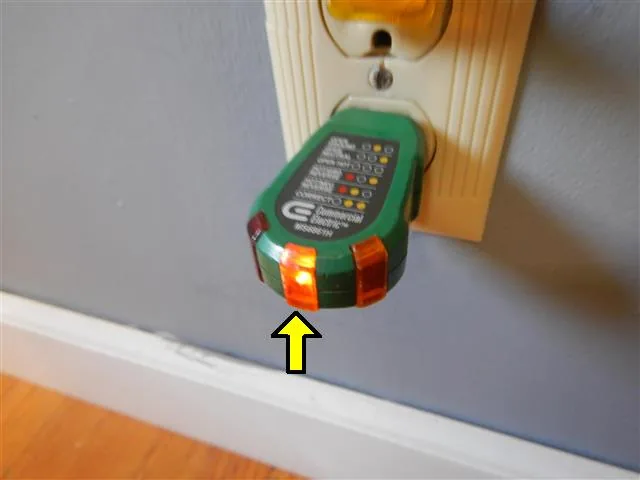
Two-prong outlets are their own case. If there is no ground wire in the box, a licensed electrician can fit a GFCI and label it "no equipment ground", which is legal and gives you shock protection. Swapping in a three-prong outlet with no ground behind it is not legal, and we find it in almost every house from the 1950s and 60s that has had a handyman through it.
More from the field


Your home is a major investment.
Protect it with San Diego's certified, 5-star-rated inspectors.