
Roofs leak at the interruptions, not in the middle
Inspection blog, 2026-01-30
A field of shingles or tiles sheds water reliably. Leaks start where something interrupts that field: a chimney, a vent, a skylight, a valley, or the point where a roof meets a vertical wall. Flashing is the metal that handles those transitions, and it is where we spend most of our time on a roof.
Where it goes wrong
At a wall, the correct detail is step flashing, individual L shaped pieces woven in with each course, with counter flashing or siding lapping over the vertical leg. The wrong version, which we find often, is a single long strip of metal run up the joint and sealed with caulk. Caulk has a service life of a few years. Step flashing does not depend on it.
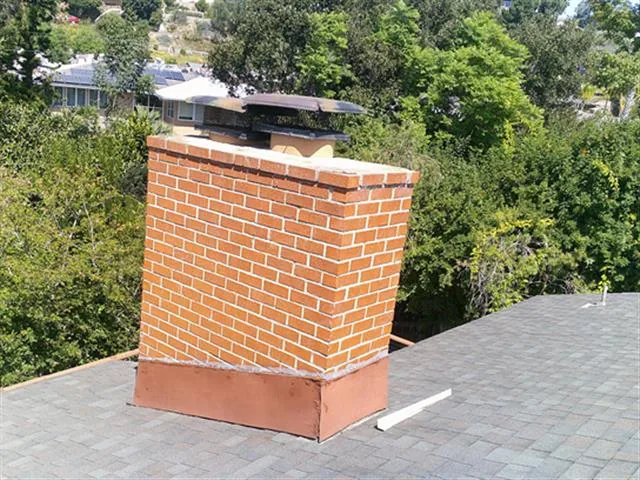
At a chimney, water has to be led around a wide obstruction, which needs a cricket on the uphill side of anything more than about 30 inches across. Missing crickets cause ponding behind the chimney and that is a common leak point in older San Diego houses.
Valleys collect water from two planes. Debris packs in, holds moisture, and on tile roofs the valley metal corrodes under the pile. In neighborhoods with heavy tree cover, valleys need clearing.
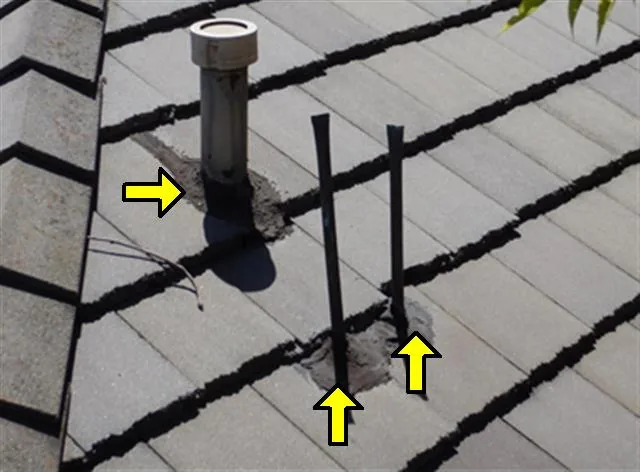
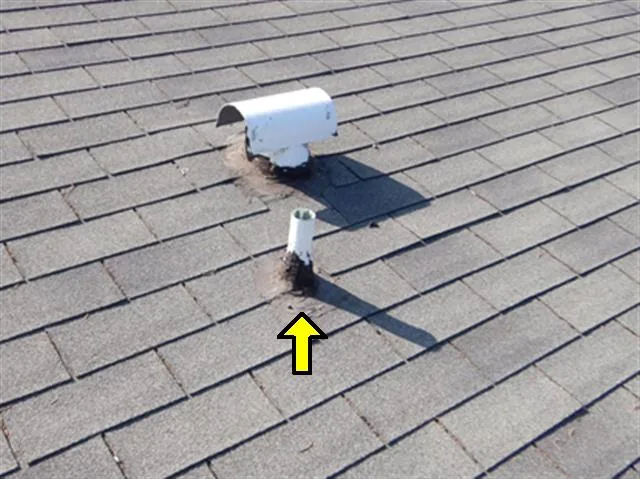
Around plumbing vents, the rubber boot cracks from UV exposure. In this climate, expect a neoprene boot to fail in roughly ten to fifteen years while the roof around it is still sound. It is a cheap part and a very common source of a ceiling stain.
Tile roofs confuse people
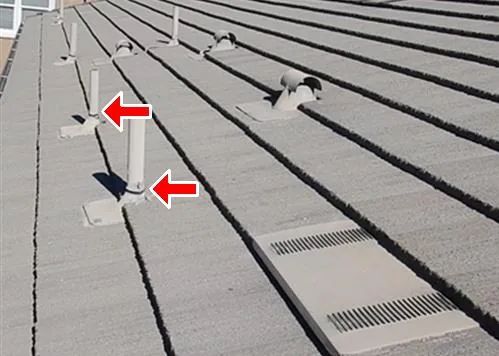
On a concrete or clay tile roof, the tile is a rain shield and a sunscreen. The waterproofing is the underlayment beneath it. Tiles last fifty years or more, and the felt under them lasts twenty to thirty.
So a tile roof can look excellent from the street and be at the end of its service life. When a tile roof is being redone, the work is lifting and stacking the tiles, replacing the underlayment, and relaying the same tiles. We check the visible underlayment at the eaves and in the attic, and we note the age of the installation.
From the attic
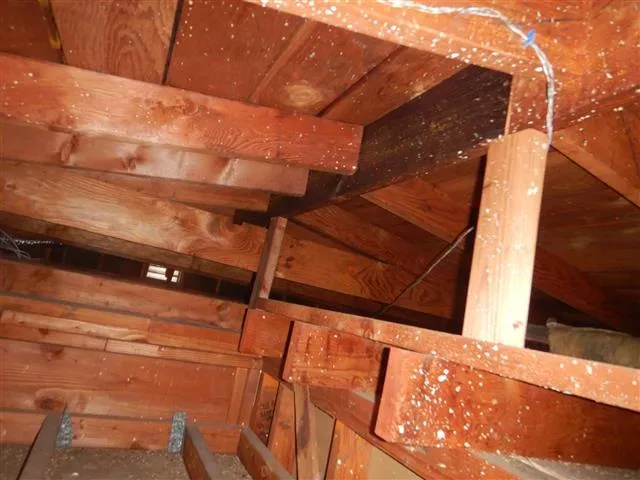
Some of the best roof evidence is inside. We look at the sheathing from below for staining, at the rafters around chimneys and vents, and for daylight where there should be none. Old stains that are dry and bordered tell a different story from soft, dark, currently wet wood, and we distinguish the two in the report.
Walked or not
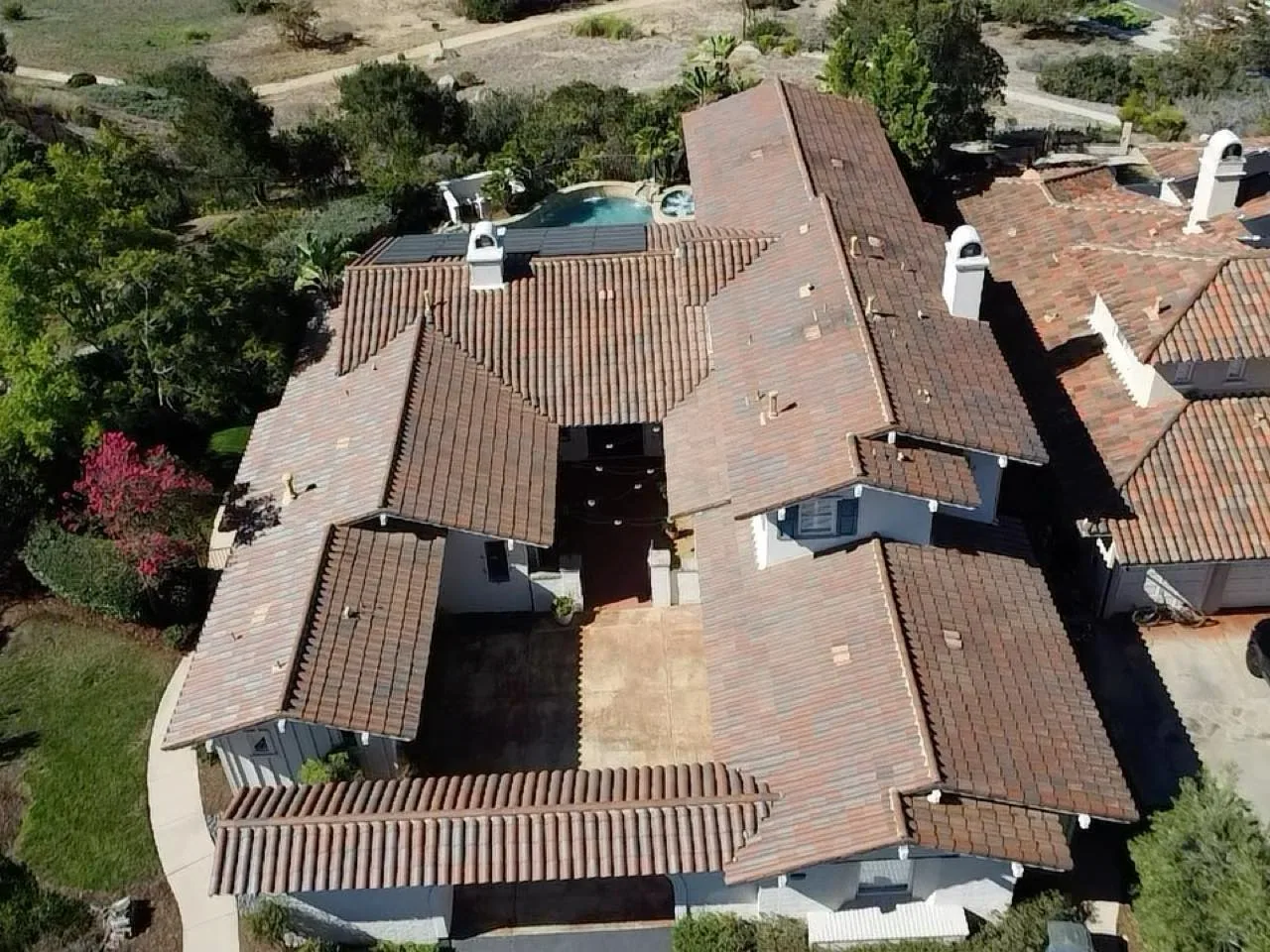
We walk a roof when it is safe and when walking will not damage it. Steep pitches, wet surfaces, brittle old tile and lightweight tile get inspected from a ladder at the eaves, from the ground with binoculars, or with a drone. The report states which method was used, because it changes what could be seen.
More from the field

Your home is a major investment.
Protect it with San Diego's certified, 5-star-rated inspectors.