
Exterior doors: the cheap fixes and the expensive ones
Inspection blog, 2024-06-03
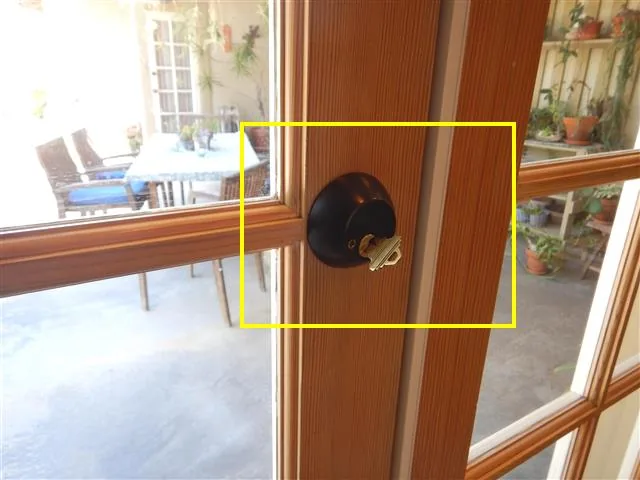
Doors are one of the better diagnostic tools in a house. They are rectangles hung inside other rectangles, so when the house moves, they stop fitting and you find out before a crack is wide enough to notice.
The cheap version
Most sticking doors are hardware. The top hinge carries the most load and its screws pull out of the jamb over time, letting the door sag toward the latch side. You will see the gap along the top of the door go wedge shaped, wide at the hinge side and tight at the latch.
The fix is a three inch screw through the top hinge into the framing behind the jamb, replacing the three quarter inch screw that came with it. It takes a screwdriver and it pulls the door back square.
A door that catches at the latch but hangs square usually needs the strike plate moved an eighth of an inch, which is two screws and a chisel.
The expensive version
When several doors on the same side of the house bind at the same time, and the gaps are consistently tapered in the same direction, hardware is not the answer. That pattern is the frame racking, and the reason is under the house.
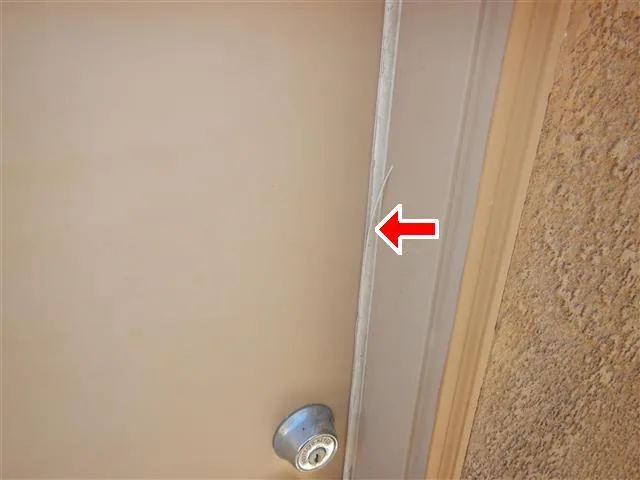
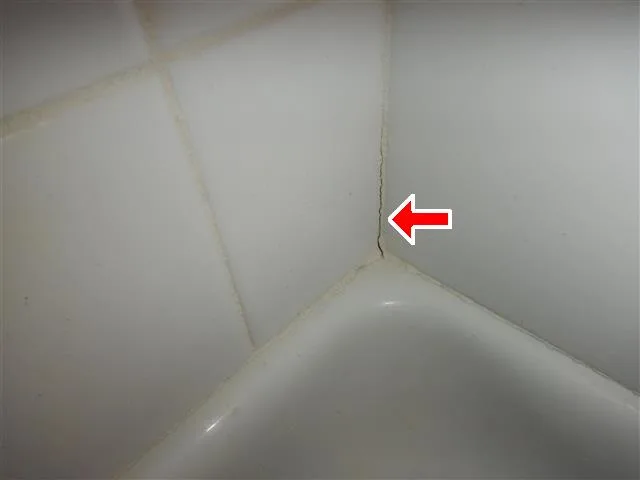
We pair that with the other evidence: diagonal cracks from door and window corners, floors that slope the same way, separation at the top of interior partitions, exterior stucco cracks that line up with the interior ones. One door is a door. Four doors, a sloping floor and a stair-step crack in the stucco is a soils and foundation conversation.
What else we check
The threshold and the bottom of the jamb, where water sits. On west facing doors that take afternoon sun and winter rain, the jamb rots from the bottom up and paint hides it. A screwdriver tip tells you fast.
Weatherstripping, which is a comfort and energy item everywhere and a pest item here. A quarter inch gap under a door is an open invitation in neighborhoods backing onto canyons.
The door between the garage and the house, which has to be self closing and fire rated: a solid wood door at least one and three eighths inches thick, a solid core door, or a labeled fire door. We find the self closing hinges disabled or removed in most houses, usually because people got tired of the door swinging shut. It is there to slow a garage fire reaching the living space.
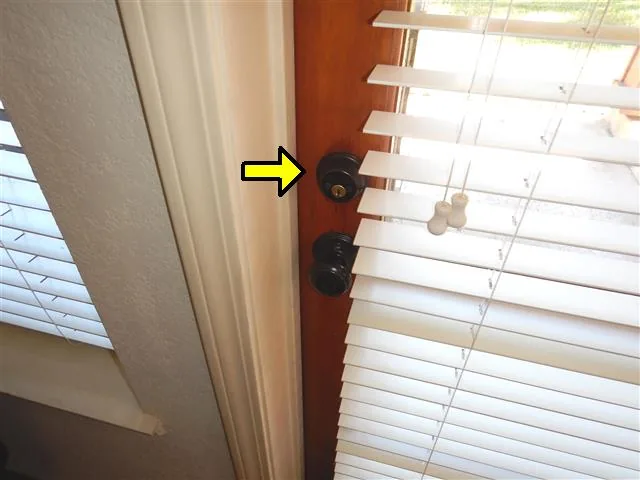
Deadbolt throw and strike depth. A deadbolt that only extends half an inch because the hole behind it was never drilled deep enough is common on doors that have been replaced by a handyman.
More from the field

Your home is a major investment.
Protect it with San Diego's certified, 5-star-rated inspectors.