
Leaky ducts: paying to air condition your attic
Inspection blog, 2025-04-29
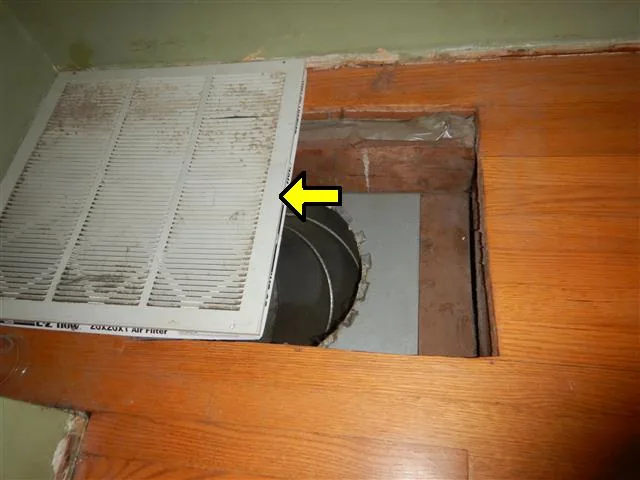
The air handler can be perfect and the thermostat can be right and the house can still cool badly, because a chunk of the conditioned air never reaches a room. Duct leakage runs around twenty to thirty percent in older systems. In a San Diego attic that hits 140 degrees in August, it is expensive.
Where ducts leak
Joints are the weak point: where a flexible duct meets a metal collar, at branch takeoffs, and at the plenum where everything connects to the air handler. The clamp works loose or was never tight, and the inner liner pulls back off the collar while the insulation sleeve still looks intact from the outside. From three feet away the run looks fine.
The other failure is the duct itself. Older flex has an inner plastic liner that goes brittle and splits. We have pulled back insulation on 1980s runs and found the liner gone in strips.
What it costs you
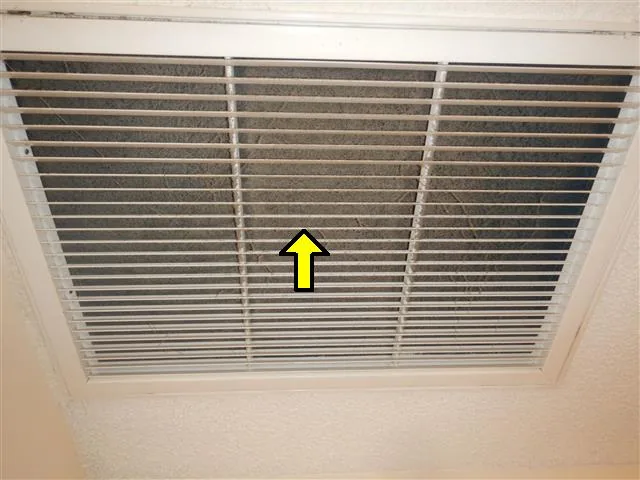
Supply leaks push cold air into the attic. Return leaks pull 140 degree attic air into the system, which then has to cool that before it cools the house. Return leaks in a garage are worse than a cost problem, because they can draw in car exhaust and whatever is stored out there.
Leaks also unbalance the house. One bedroom never gets cold, so someone closes registers elsewhere to force air to it, which raises static pressure and shortens the blower's life.
Duct tape does not work on ducts
Cloth duct tape dries out and lets go, usually within a few years in an attic. The materials that hold are mastic, a brushed-on paste, and foil tape rated UL 181. When we find cloth tape on a duct joint we write it up, because it is a repair that is already failing or about to.
How to tell
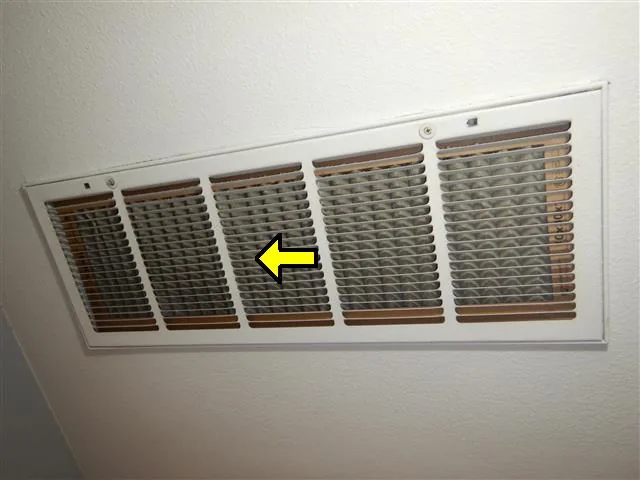
Run the system and walk the house with your hand at each register. A room that is much weaker than the rest usually has a disconnected or crushed run above it. Check the attic with a flashlight while the fan is going: a loose duct is audible from several feet away and you can feel it. Look for a run that has been stepped on and stayed flat, or one that sags in long loops instead of running reasonably straight.
A proper duct leakage test puts a number on it. If the house is getting new equipment, title 24 requires duct testing in most retrofits anyway, so it is worth having the contractor seal the runs while the system is open.
More from the field


Your home is a major investment.
Protect it with San Diego's certified, 5-star-rated inspectors.