What We Inspect in San Diego, System by System
Wondering what a home inspection actually includes? At The Real Estate Inspection Company / San Diego Home Inspection, Inc., every inspection is performed by owner Joseph Romeo, an InterNACHI Certified Professional Inspector (CPI) who also holds California CSLB General Contractor License #1113143. We follow the InterNACHI Standards of Practice, the residential inspection standard relied on across the country, so you receive a consistent, photo-documented evaluation of the home's readily accessible, visually observable systems and components.
This page is a practical, system-by-system home inspection checklist for San Diego. It walks through what we examine on a standard inspection, from the roof down to the slab, with the local context that matters here: coastal salt-air corrosion in La Jolla and Coronado, expansive clay soils and intense heat inland in El Cajon and Escondido, and the morning marine layer that drives moisture into walls and attics countywide. A home inspection is a non-invasive visual examination, not a code-compliance review, warranty, or guarantee of future performance, and we do not move furniture, dismantle systems, or perform destructive testing. To see what a finished report looks like, browse our sample reports, or jump straight to buyer's inspections to schedule.
Roof & Attic
The roof and attic take the most weather and hide the most expensive surprises in San Diego, where long dry stretches let slow leaks go unnoticed until the first real storm. We inspect from the safest effective vantage point, whether that is walking accessible surfaces or working from ladders and elevated positions, and we go into the attic where access allows. We examine:
- Roof covering material and condition: concrete and clay tile, asphalt composition shingle, wood shake, and flat/low-slope membranes (TPO, modified bitumen, built-up)
- Cracked, slipped, broken, curled, or missing tiles and shingles, and granule loss
- Flashing at valleys, walls, chimneys, skylights, and roof penetrations
- Pipe boots, vents, and sealant around penetrations, a leading leak source
- Skylights and their seals
- Roof drainage: gutters, scuppers, downspouts, and ponding on flat roofs
- Chimney structure, cap, crown, and visible flue from the exterior
- Evidence of prior repairs, patches, or multiple layered coverings
- Attic framing, rafters, trusses, and sheathing where visible
- Active leaks, water staining, and daylight intrusion at the roof underside
- Attic insulation type, depth, and coverage, plus signs of compression or gaps
- Attic ventilation (soffit, ridge, gable, and powered vents)
- Estimated remaining service life and maintenance recommendations
Want roof-specific detail beyond the general summary? Add a standalone roof inspection, and pair it with thermal imaging to trace hidden moisture.
Exterior
The building envelope is your home's first line of defense against San Diego's UV, salt air, and seasonal rain. Walking the property, we inspect:
- Wall cladding and siding: stucco, fiber-cement, wood, vinyl, brick, and stone veneer
- Stucco cracking, delamination, staining, and improper grade contact
- Exterior trim, fascia, soffits, and eaves for rot, separation, and pest entry
- Caulking and sealants at joints, transitions, and penetrations
- Windows and exterior doors: operation, glazing, weatherstripping, and flashing
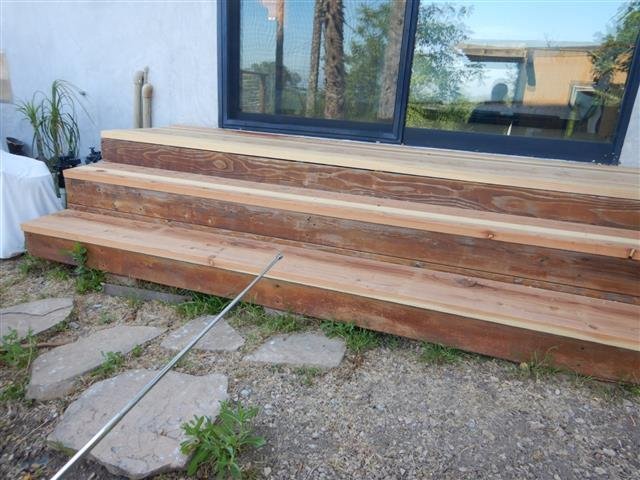
- Decks, porches, patios, stairs, railings, balconies, and elevated walkways for stability and attachment
- Walkways, driveways, and hardscape for trip hazards and drainage toward the home
- Site grading, lot drainage, and downspout discharge directing water away from the foundation
- Retaining walls and slopes within view for movement or failure
- Vegetation, trees, and irrigation overspray contacting the structure
- Exterior hose bibbs, electrical receptacles, and light fixtures
- Salt-air corrosion of fasteners, railings, and metal flashing in coastal zones
Note: wood-framed balconies and elevated walkways on apartment and condo buildings have separate legal inspection requirements. See SB-721 balcony inspections for apartments and SB-326 balcony inspections for HOAs and condominiums.
Structure & Foundation
Structural and foundation issues are the costliest to correct, and San Diego's expansive clay soils, hillside lots, and seismic setting make them worth close attention. Within the limits of a visual inspection, we evaluate:
- Foundation type and condition: concrete slab-on-grade, raised perimeter with crawlspace, post-and-pier, and stem walls
- Visible foundation cracking, spalling, displacement, and moisture intrusion
- Floor structure: joists, beams, girders, posts, and subfloor (where accessible in crawlspaces)
- Wall framing and load paths where visible
- Signs of settlement, heaving, or movement: sloping floors, sticking doors, and stair-step cracks
- Crawlspace conditions: moisture, standing water, vapor barrier, and ventilation
- Evidence of prior structural repairs or reinforcement
- Slab-level indicators of differential movement (a dedicated concrete slab survey measures this in detail)
- Seismic considerations such as cripple-wall bracing and sill-plate anchoring where observable
If our visual findings suggest a structural concern, we will recommend evaluation by a licensed structural engineer. We perform visual inspection only; engineering analysis and destructive testing are referred to qualified partners.
Electrical
Electrical defects are a top safety finding, especially in San Diego's many mid-century homes that may still have outdated wiring or panels. We inspect the readily accessible electrical system, including:
- Service entrance, drop or lateral, meter base, and service capacity (amperage rating)
- Main and sub panels: overcurrent protection, breaker/fuse sizing, and condition
- Panel interior where the cover is safely removable: bonding, grounding, double-taps, and signs of overheating
- Known problem panel brands and obsolete components
- Branch wiring type where visible (copper, aluminum, knob-and-tube, NM cable)
- A representative sample of switches, receptacles, and fixtures
- GFCI protection at kitchens, bathrooms, garages, exteriors, and wet areas
- AFCI protection where present
- Grounding and bonding of the system
- Smoke and carbon monoxide alarm presence and placement
- Visible exposed, abandoned, or improperly modified wiring and junction boxes
Plumbing
From slab leaks to aging supply lines, plumbing problems can be expensive and hidden. We evaluate the accessible plumbing system, including:
- Visible water supply piping material and condition (copper, PEX, galvanized steel, polybutylene)
- Functional water flow and pressure at fixtures
- Drain, waste, and vent piping where visible, and functional drainage
- Fixtures: sinks, faucets, tubs, showers, and toilets for operation and leaks
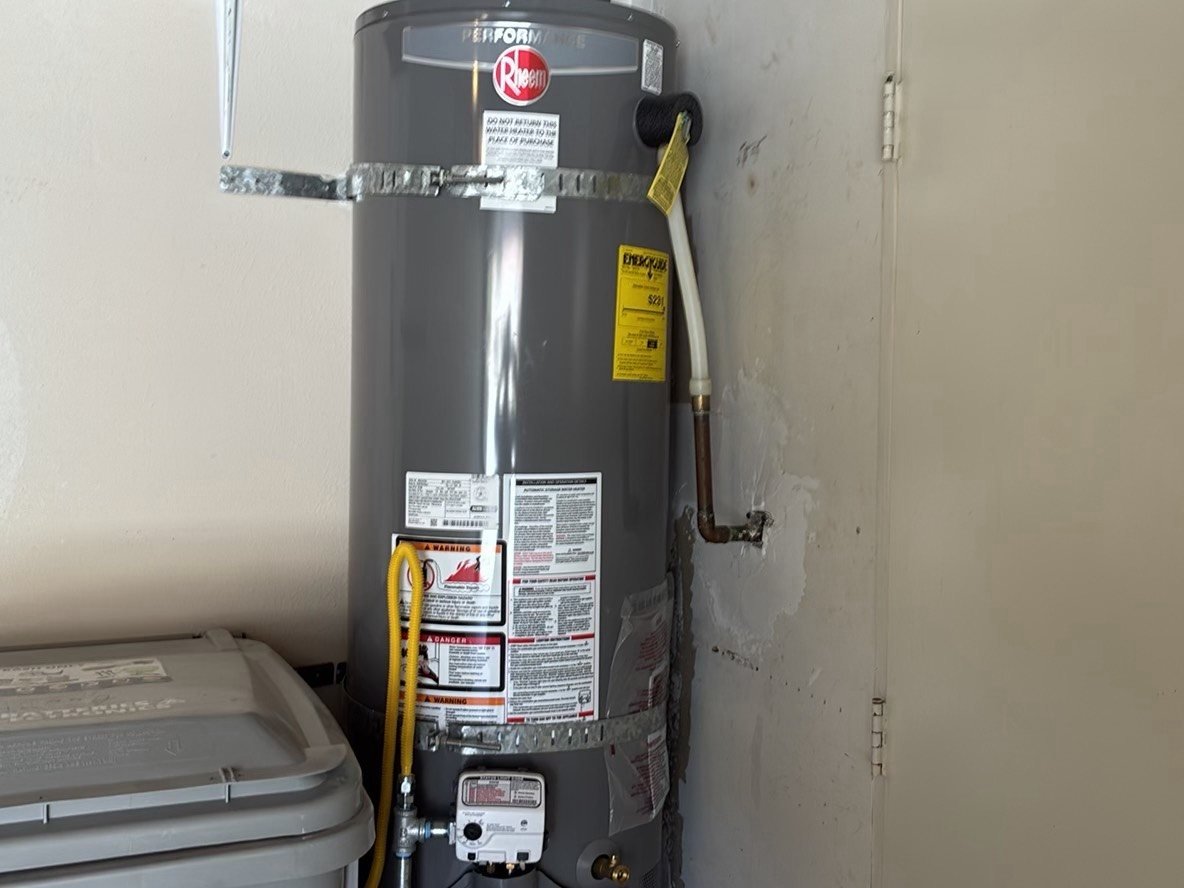
- Water heater: type, capacity, condition, venting, temperature-pressure relief valve, and seismic strapping
- Tankless water heater operation and venting where present
- Main water shutoff location and accessibility
- Visible gas piping, shutoffs, and connections
- Sump pumps and visible drainage components where present
- Signs of past or active leaks, corrosion, and improper repairs
- Hose bibbs and exterior plumbing
Underground sewer lines are out of sight and a frequent source of costly surprises in older San Diego neighborhoods with cast-iron or clay laterals. Add a sewer scope to put a camera down the main line and reveal roots, cracks, and blockages before they become emergencies.
Heating & Cooling (HVAC)
San Diego's mild coast and hot inland valleys put very different demands on heating and cooling equipment. Using normal operating controls, we inspect:
- Heating equipment: furnace, heat pump, or wall/floor heater, including type, age, and condition
- Cooling equipment: central air conditioning, heat pump, and mini-split systems
- Operation of the system through the thermostat in heating and cooling modes (weather permitting)
- Energy source and fuel connections (natural gas, electric, propane)
- Combustion venting, flue pipes, and signs of backdrafting
- Visible ductwork, registers, and returns where accessible
- Air filter location and general condition
- Condensate drainage and visible refrigerant lines
- Equipment age relative to expected service life
- Whole-house fans, evaporative coolers, and supplemental units where present
We do not perform load calculations, pressure-test refrigerant, or dismantle equipment; significant findings are referred to a licensed HVAC contractor.
Interior
Inside the home, we examine the finished living spaces for damage, safety concerns, and clues to hidden problems behind the walls. We inspect:
- Walls, ceilings, and floors for cracking, staining, moisture, and prior repairs
- Representative interior doors and windows for operation and condition
- Stairs, steps, handrails, and guardrails for safety and stability
- Fireplaces and visible chimney interiors, dampers, and hearths
- Floor, wall, and ceiling surfaces for indications of settlement or water intrusion
- Countertops and a representative sample of installed cabinetry
- Visible signs of moisture intrusion, condensation, or suspected microbial growth
- Smoke and carbon monoxide alarm presence in living areas and bedrooms
- Trip hazards, safety glazing concerns, and general habitability items
When a ceiling stain or musty smell suggests moisture we cannot see, thermal imaging helps pinpoint the source without opening walls.
Insulation & Ventilation
San Diego's marine-layer humidity makes proper ventilation essential to prevent moisture and mold. We evaluate, where accessible:
- Insulation type and approximate depth in attics and, where visible, floors and walls
- Insulation coverage, gaps, compression, and displacement
- Attic ventilation adequacy and unobstructed airflow
- Crawlspace ventilation and vapor barriers
- Mechanical exhaust from bathrooms, kitchen, and laundry, and whether it terminates to the exterior rather than the attic
- Dryer vent routing and discharge
- Signs of condensation, moisture damage, or inadequate air movement
Built-in Appliances
We test the permanently installed kitchen and laundry appliances that typically convey with the home, using normal operating controls. We inspect:
- Built-in oven, range, cooktop, and their anti-tip and gas/electric connections
- Range hood and exhaust operation
- Built-in microwave
- Dishwasher operation, drainage, and connections
- Garbage disposal
- Trash compactor where present
- Built-in refrigerator where it is a fixed component
- Laundry hookups, dryer venting, and washer connections (appliances run if accessible)
Portable and free-standing appliances and specialty units like wine refrigerators are inspected at our discretion and are not part of the standard scope.
Garage
The garage often reveals safety issues that matter to insurers and buyers alike. We inspect:
- Garage structure, framing, and roof where visible
- Vehicle door condition, hardware, and balance
- Automatic opener operation and auto-reverse and photo-eye safety sensors
- Fire-separation wall and ceiling between the garage and living space, and self-closing fire-rated door
- Floor condition, drainage, and slope
- Electrical receptacles, lighting, and GFCI protection
- Penetrations and gaps that compromise the fire separation
- Occupant safety items and visible water heater or HVAC equipment located in the garage
Optional Add-Ons & Specialty Inspections
A standard inspection covers the systems above. For a deeper look at specific concerns, or to meet insurance and California compliance requirements, we offer these add-ons that you can bundle with your inspection:
- Sewer Scope — a camera inspection of the main sewer lateral to find roots, cracks, bellies, and blockages underground
- Pool & Spa Inspection — evaluation of pool and spa equipment, surfaces, and safety features
- Thermal Imaging — infrared scanning to reveal hidden moisture, missing insulation, and electrical hot spots
- 4-Point Inspection — a focused roof, electrical, plumbing, and HVAC report frequently required to insure older homes
- Concrete Slab Survey — floor-level measurement to detect slab movement and settlement
- Standalone Roof Inspection — roof-specific documentation beyond the general summary
We also perform commercial property inspections, SB-721 and SB-326 balcony inspections, and 11-month builder warranty inspections. See the full list on our services page.
What We Refer to Licensed Partners
Part of an honest inspection is knowing where our scope ends. We do not perform termite, wood-destroying organism (WDO), or pest inspections, and we do not perform engineering analysis or destructive testing. When findings call for those specialties, we coordinate referrals to licensed pest-control operators and qualified engineers so you get the right expert for the job, with no conflict of interest on our side.
Schedule Your San Diego Home Inspection
Ready to see exactly what is going on with your property? For current rates, view our fee schedule (pricing depends on square footage, age, and access, so contact us for a quote tailored to your home). To schedule an inspection anywhere in San Diego County, call (619) 752-4399 or contact us today.
Frequently Asked Questions
What does a home inspection include in San Diego?
Does a home inspection include termite or pest inspection?
What standards do you follow for home inspections?
Can I add a sewer scope or thermal imaging to my inspection?
Our work, documented
Photos from recent inspections across San Diego County.