
San Diego Home Inspection Glossary: Report Terms Explained
A home inspection report can read like a foreign language. This glossary defines 56 of the terms San Diego buyers and sellers most often encounter, from electrical-panel red flags to sewer-line slang, in plain English. It is maintained by The Real Estate Inspection Company / San Diego Home Inspection, Inc., where owner Joseph Romeo is an InterNACHI Certified Professional Inspector (CPI) and a CSLB-licensed General Contractor (GC #1113143). We inspect to the InterNACHI Standards of Practice throughout San Diego County.
Where a term ties to a specific inspection we perform, we have linked it so you can read more. If a definition raises a question about your own report, call us at (619) 752-4399 and we will walk you through it.
A quick scope note: We perform home, commercial, SB-721/SB-326 balcony (EEE), 4-point, pool/spa, visual roof, sewer scope, thermal imaging, concrete slab survey, and 11-month warranty inspections. We do not perform termite/wood-destroying-organism (WDO) inspections or engineering/destructive testing; for those we refer you to the appropriate licensed specialist.
Structural & Foundation Terms
- Settlement — The gradual downward movement of a structure as the soil beneath it compacts. Minor uniform settlement is normal; differential (uneven) settlement is what produces cracking and sticking doors.
- Heaving — Upward movement of a slab or footing, the opposite of settlement, usually caused by expansive clay soil swelling when it absorbs water. San Diego's inland clay soils make seasonal heaving a common report note.
- Expansive (clay) soil — Soil that swells when wet and shrinks when dry, exerting pressure on foundations. It is widespread in inland San Diego County and a frequent cause of slab and flatwork cracking.
- Slab-on-grade — A foundation type where the house sits on a concrete slab poured directly on the ground, rather than over a crawl space. Common in San Diego post-war and newer construction. See our concrete slab survey.
- Post-tension slab — A slab reinforced with steel cables (tendons) tensioned after the concrete cures. Cutting into one (for plumbing repairs, for example) without locating the cables can be dangerous, so we flag it.
- Footing — The widened concrete base beneath a foundation wall or post that spreads the structure's load onto the soil. Undersized or cracked footings can lead to movement.
- Hairline crack — A very thin crack (generally under 1/16 inch) in concrete or stucco, usually cosmetic and shrinkage-related rather than structural.
- Efflorescence — The white, powdery, crystalline deposit left on masonry or concrete when water moves through it and evaporates, leaving mineral salts behind. It is a moisture indicator, not damage itself, but it tells us water is present.
- Spalling — Flaking, chipping, or pitting of concrete or masonry surfaces, often from moisture intrusion, freeze cycles, or corroding embedded steel.
Moisture, Wood & Exterior Terms
- Dry rot — A misnomer for wood decay caused by fungi that need moisture to grow; the wood looks dry and crumbly after the fungus has consumed it. Common around San Diego decks, eaves, and windows. Thermal imaging can help locate the hidden moisture feeding it.
- Vapor barrier — A plastic sheet or coating that limits moisture migration, typically installed under a slab or in a crawl space to keep ground moisture out of the structure.
- Negative grading — Ground that slopes toward the house instead of away from it, directing rainwater at the foundation. It is one of the most common and correctable moisture issues we report.
- Fascia — The vertical board running along the edge of the roof to which gutters attach. It is a frequent dry-rot location where roof runoff overflows.
- Soffit — The underside of a roof overhang or eave. Soffits often house intake vents and are inspected for rot, staining, and pest entry.
- Flashing — Thin metal installed at roof intersections, walls, chimneys, and penetrations to direct water away from seams. Missing or failed flashing is a leading cause of leaks.
- Kick-out flashing — A small diverter installed where a roof edge meets a sidewall, redirecting water into the gutter instead of behind the siding. Its absence commonly causes hidden wall rot.
- EIFS — Exterior Insulation and Finish System, a multi-layer synthetic stucco. Older barrier-style EIFS can trap moisture behind it, so it warrants careful attention during a home inspection.
- Salt-air corrosion — Accelerated rusting of metal components (fasteners, flashing, railings, panels, AC condensers) caused by airborne salt near the coast. We pay particular attention to it on coastal San Diego properties.
Roofing Terms
- Ridge vent — A vent running along the peak of the roof that lets hot attic air escape. It works together with intake venting to keep the attic cool and dry.
- Soffit vent — Intake vents in the eaves that draw cooler air into the attic; paired with ridge or other exhaust venting for proper airflow. Blocked soffit vents are a common report item.
- Underlayment — The water-resistant layer installed between the roof deck and the shingles or tiles, providing a secondary moisture barrier.
- Valley — The V-shaped channel where two roof planes meet; it carries concentrated water flow and is a high-priority leak area we examine. Learn more on our roof inspection page.
- Scupper — An opening in a parapet wall or roof edge that drains water off a flat or low-slope roof. Clogged scuppers cause ponding and interior leaks.
- Parapet — A short wall extending above the roofline, common on flat-roof and commercial buildings. Parapet cracks and failed coping are frequent water-intrusion sources.
- Ponding — Standing water that remains on a flat or low-slope roof more than 48 hours after rain, accelerating deterioration of the roofing membrane.
Electrical Terms
- FPE / Federal Pacific panel — An electrical panel brand (Federal Pacific Electric, Stab-Lok) widely reported to have breakers that fail to trip under overload, creating a fire hazard. We recommend evaluation by a licensed electrician when found. Often documented during a 4-point inspection.
- Zinsco panel — Another older panel brand with a history of breakers that may not trip reliably. Like FPE, it is commonly flagged for further evaluation and possible replacement.
- Double-tapped breaker — Two wires connected under a single breaker terminal that is designed for one, which can loosen and overheat. A common, usually inexpensive correction.
- Reversed polarity — An outlet wired with the hot and neutral connections swapped, which can energize parts of a device that should be neutral and pose a shock hazard.
- GFCI — Ground-Fault Circuit Interrupter, an outlet or breaker that shuts off power within milliseconds when it detects current leaking to ground. Required near water (kitchens, baths, exterior, pools).
- AFCI — Arc-Fault Circuit Interrupter, a breaker that detects dangerous electrical arcing and cuts power to help prevent fires. Required in many living-area circuits in newer construction.
- Knob-and-tube wiring — An early wiring method using ceramic knobs and tubes, found in pre-1950 homes. It lacks a ground, can be unsafe when modified or covered with insulation, and is typically flagged for evaluation.
- Aluminum branch wiring — Solid aluminum wiring used for outlets and switches mainly in the 1960s–70s. Connections can loosen and overheat, so we recommend evaluation and approved corrective connectors.
- Bonding — Connecting metal systems (panels, gas/water piping, etc.) together so they share a common ground, reducing shock risk. Missing bonding is a frequent safety note.
- Service panel — The main electrical distribution box (breaker box) where power enters the home and is divided into circuits. Its capacity, brand, and condition are core inspection items.
Plumbing & Sewer Terms
- Polybutylene pipe — Gray plastic supply piping installed roughly 1978–1995 that can become brittle and fail at fittings. Its presence is commonly reported and may affect insurability.
- Galvanized pipe — Older steel water pipe coated in zinc that corrodes and clogs internally over decades, reducing water pressure and discoloring water. Common in pre-1960 San Diego homes.
- PEX — Cross-linked polyethylene, a flexible modern supply piping that has largely replaced copper and galvanized in repipes and new construction.
- TPR valve — Temperature and Pressure Relief valve on a water heater that releases pressure to prevent the tank from bursting. Missing, capped, or improperly terminated discharge lines are a common safety flag.
- Cross-connection — A point where the potable water supply could be contaminated by non-potable water (for example, a hose left in a sink or an unprotected irrigation line). Inspectors note missing backflow protection.
- Backflow preventer — A device that stops water from flowing backward into the clean supply, protecting drinking water from contamination.
- Main sewer line — The single underground pipe that carries all wastewater from the house to the city main or septic system. We evaluate it with a camera during a sewer scope.
- Lateral (sewer lateral) — The portion of the sewer line running from the home to the public main, typically the homeowner's responsibility to maintain and repair.
- Belly (sewer belly) — A low spot or sag in a sewer line where waste and water collect instead of flowing freely, causing recurring backups. It is best confirmed with a sewer camera.
- Root intrusion — Tree roots that grow into sewer pipe joints, restricting or blocking flow. Common in older San Diego neighborhoods with clay sewer pipe.
- Cleanout — An accessible capped pipe fitting that lets a plumber or inspector access the sewer line for clearing or camera inspection.
HVAC, Insulation & Interior Terms
- Condenser — The outdoor unit of an air-conditioning system that releases heat. Coastal salt air shortens condenser life, which we note on near-shore properties.
- Plenum — The central air chamber connected to the air handler that distributes conditioned air into the ducts.
- R-value — A measure of insulation's resistance to heat flow; higher numbers mean better insulation. Inland San Diego heat makes attic R-value worth checking.
- Thermal bridging — Heat passing through a more conductive path (like a stud or metal framing) that bypasses insulation, showing up as temperature streaks. We can document it with infrared imaging.
- Combustion air — The fresh air a gas furnace or water heater needs to burn fuel safely; inadequate supply is a safety concern we report.
Balcony, Deck & Compliance Terms (SB-721 / SB-326)
- EEE — Exterior Elevated Elements: balconies, decks, stairs, walkways, and their railings that are more than six feet above grade and rely on wood framing. These are the components California law requires be inspected. See our SB-721 balcony inspection page.
- SB-721 — A California law requiring periodic inspection of EEE on apartment buildings with three or more multifamily dwelling units. We perform these inspections; ask us about current deadlines for your building.
- SB-326 — A California law requiring EEE inspections for condominium and HOA-governed buildings, on a recurring cycle. We perform SB-326 inspections as well.
- Ledger — The framing board that attaches a deck or balcony to the building. Ledger connection failure and concealed rot are leading causes of balcony collapse, and a focus of EEE inspections.
- Load-bearing — A component (wall, beam, post, ledger) that carries structural weight. In balcony inspections, the condition of load-bearing wood elements determines safety.
Report & Inspection Process Terms
- Standards of Practice (SoP) — The defined scope of a visual home inspection. We follow the InterNACHI Standards of Practice, which describe what is and is not included in the inspection.
- Material defect — A condition that significantly affects a system's or component's value, performance, or safety, as opposed to normal wear or a cosmetic issue.
- Deferred maintenance — Upkeep that was put off over time, allowing minor issues to grow into larger ones. Reports often group these items together.
- Further evaluation — A recommendation that a qualified specialist (electrician, roofer, structural engineer, licensed pest company) assess a condition beyond the scope of a visual inspection. We refer engineering, destructive testing, and termite/WDO work to the right professionals rather than performing it ourselves.
Still have a term in your report you do not recognize? We are happy to explain it. Call Joseph Romeo and the team at (619) 752-4399, request a quote on our fee schedule page, or reach out through our contact page. We serve buyers, sellers, and property owners across San Diego County.
Frequently Asked Questions
What do home inspection report terms like 'dry rot' and 'efflorescence' actually mean?
Why does my San Diego inspection report mention FPE, Zinsco, or knob-and-tube?
What is a sewer 'belly,' and can The Real Estate Inspection Company check for it?
Do you inspect for termites or perform engineering testing?
What we document
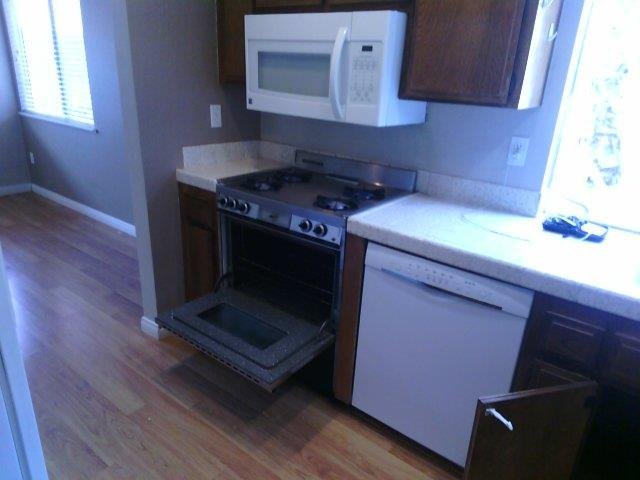
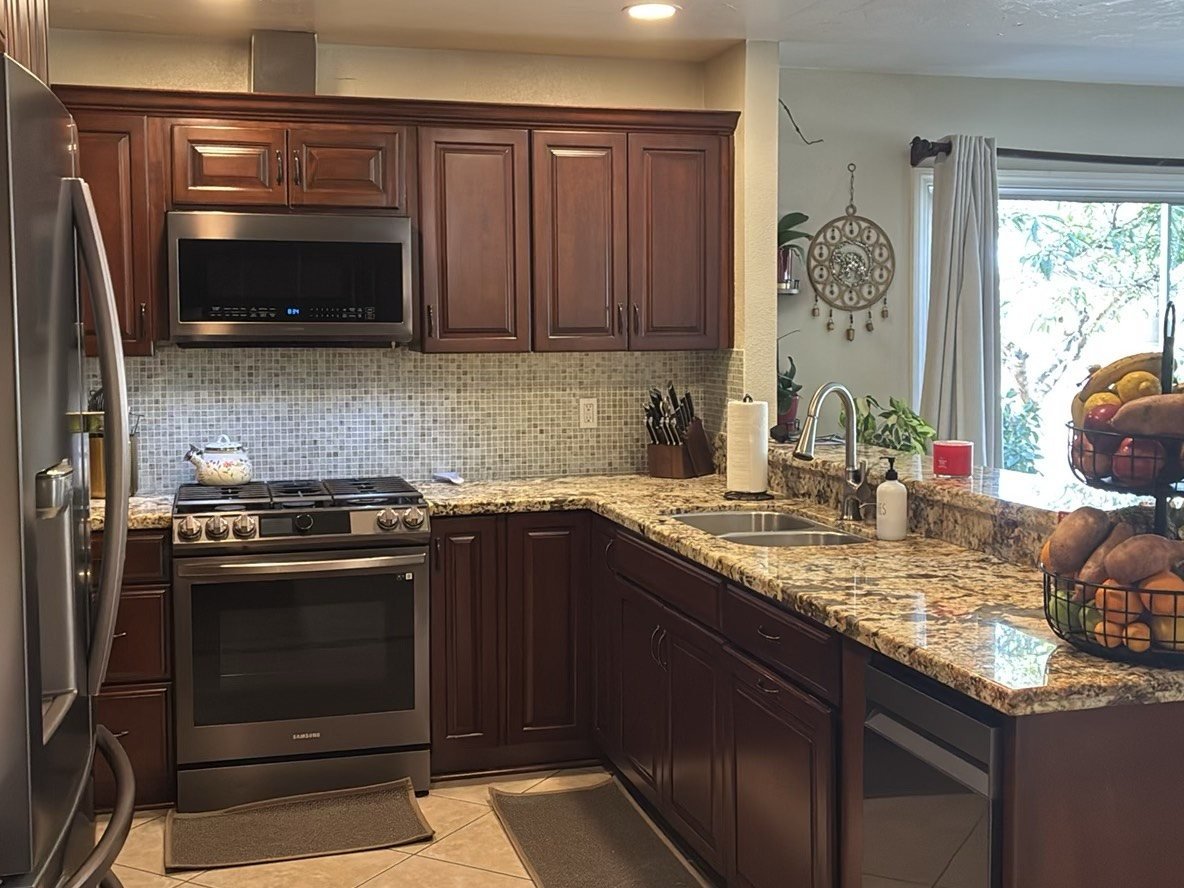
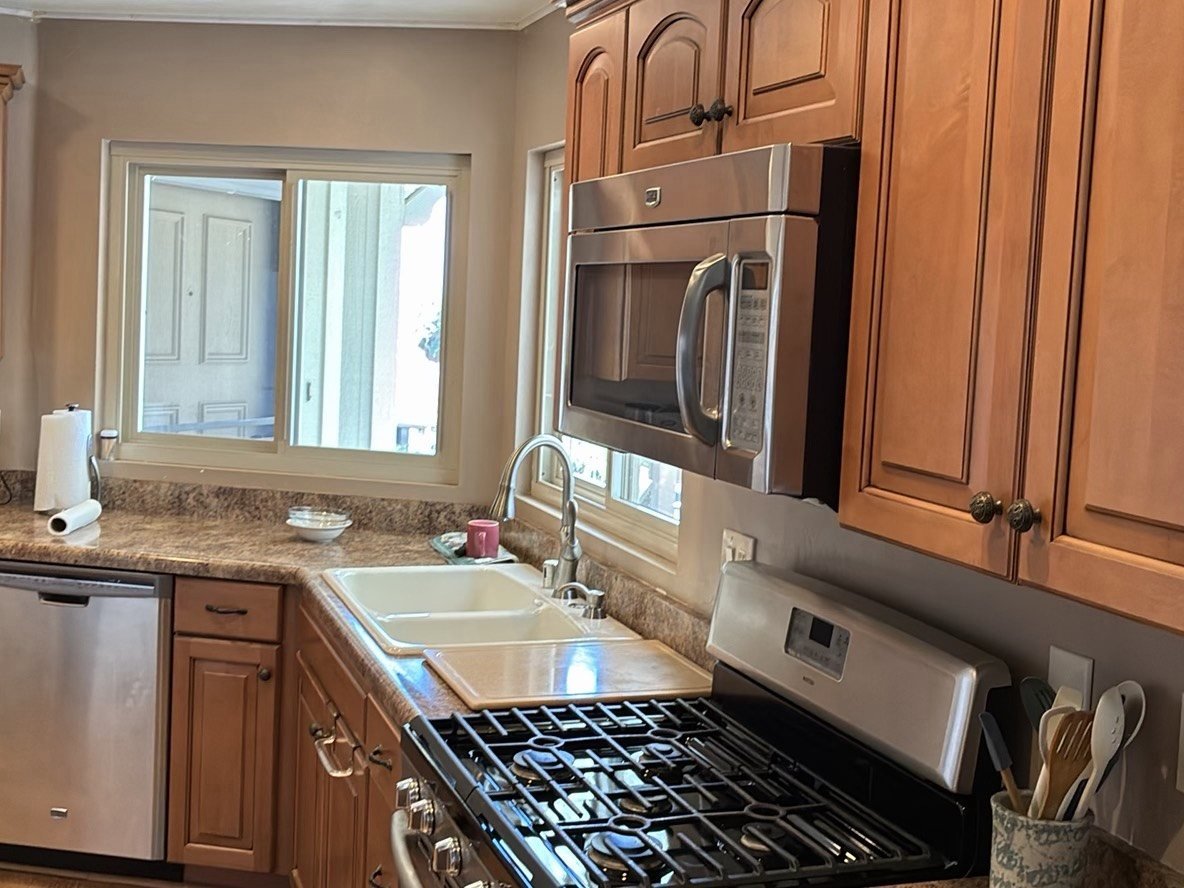
Photos from recent home inspections across San Diego County.
Were You Happy With Your Inspection?
We are proud of our 4.9-star rating across 100+ Google reviews. If Joseph and the team did right by you, a quick Google review helps other San Diego County buyers and sellers find us.